Guide
How to Freeze Potatoes: A Comprehensive Guide
Discover the easy steps on how to freeze potatoes to preserve their fresh taste and texture. Unlock the secret to always having ready-to-cook potatoes.
 By April17 min read
In this guide
- Basic Methods for Freezing Potatoes
- How to Freeze Boiled Potatoes
- How to Freeze Mashed Potatoes
- How to Freeze Roast Potatoes/Chips
- Cooking Potatoes from Frozen
- Potato Recipe Inspiration
- Tips on How to Freeze Potatoes
- The Shelf Life of Frozen Potatoes
- How to Cook Frozen Potatoes
- How to Store Frozen Potatoes
- Freezing Potatoes: Dos and Don'ts
- Tips for Using Frozen Potatoes
- Conclusion
- Source Links
- FAQ
Freezing potatoes can be a convenient way to have pre-prepared potatoes on hand for cooking. In this comprehensive guide, I will share various methods for freezing potatoes, including boiling, mashing, and roasting. I will also provide tips on how to cook frozen potatoes and discuss the best ways to store them for long-term use.
Basic Methods for Freezing Potatoes
When it comes to freezing potatoes, there are several basic methods that you can choose from. Each method offers a different way to freeze and preserve the flavor and texture of the potatoes. Whether you prefer boiled potatoes, mashed potatoes, or roasted potatoes, there is a freezing technique that will suit your needs. Let's explore these methods in detail.
Boiling and Freezing Potatoes
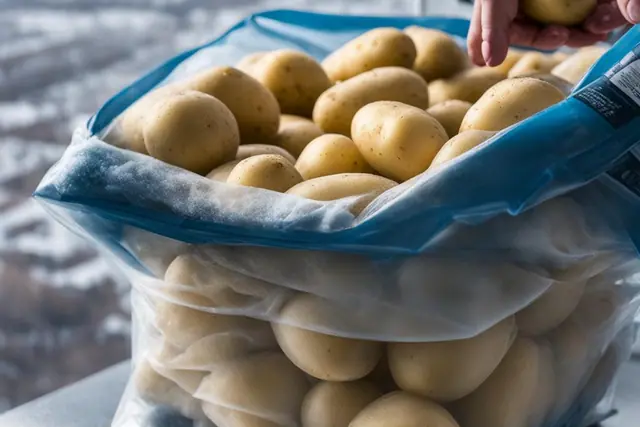
Boiling potatoes before freezing them is a popular method that ensures the potatoes remain firm and flavorful. To freeze boiled potatoes, start by peeling and cutting them into the desired size and shape. Then, parboil the potatoes until they are almost cooked but still firm. After parboiling, cool the potatoes in iced water, drain them, and spread them out on a tray. Once frozen, transfer the potatoes to a resealable freezer bag for long-term storage.
Freezing Mashed Potatoes
If you love creamy mashed potatoes, you can also freeze them for later use. To freeze mashed potatoes, prepare them as you normally would, adding butter, milk, or cream for flavor and texture. Once the mashed potatoes have cooled completely, portion them into freezer bags or containers. Flatten the mashed potatoes in the bags to maximize storage space and ensure even freezing. When you're ready to enjoy them, simply reheat the frozen mashed potatoes on the stovetop or in the microwave.
Roasting and Freezing Potatoes
For those who enjoy crispy roast potatoes or homemade French fries, freezing them is a great option. To freeze roast potatoes or chips, begin by parboiling the potatoes until they are almost cooked. Toss the potatoes in oil or fat and allow them to cool completely before freezing. Spread the potatoes on a tray and freeze them until solid, then transfer them to a freezer bag or container. This method allows you to enjoy the taste and texture of freshly roasted or fried potatoes even after they have been frozen.
By understanding these basic freezing methods, you can preserve the flavor and texture of potatoes for future use. Whether you prefer boiled, mashed, or roasted potatoes, there is a technique that will suit your preferences. Experiment with these methods and enjoy the convenience of having frozen potatoes ready to use whenever you need them.
How to Freeze Boiled Potatoes
Freezing boiled potatoes is a simple and effective way to preserve their taste and texture for future use in dishes like soups, stews, and casseroles. Follow these easy steps to freeze boiled potatoes and ensure they stay fresh:
Steps to Freeze Boiled Potatoes:
- Peel and cut the potatoes: Start by peeling the boiled potatoes and cutting them into your desired size and shape.
- Parboil the potatoes: Parboil the potatoes by cooking them in boiling water until they are almost cooked but still firm.
- Cool in iced water: After parboiling, cool the potatoes in a bowl of iced water to stop the cooking process and maintain their texture.
- Drain and freeze: Drain the cooled potatoes and spread them on a tray in a single layer. Place the tray in the freezer and freeze the potatoes until they are solid.
- Transfer to freezer bags: Once the potatoes are frozen, transfer them to resealable freezer bags. Make sure to remove any excess air from the bags before sealing them.
By following these steps, you can freeze boiled potatoes and have them readily available whenever you need them for cooking. It's important to note that freezing boiled potatoes may cause them to become softer after thawing. However, this won't affect their taste and they will still be delicious in your favorite recipes.
https://www.youtube.com/watch?v=niaocMJkd58
Remember to label the freezer bags with the freezing date to keep track of their freshness. When you're ready to use the frozen boiled potatoes, simply thaw them in the refrigerator overnight or add them directly to your dishes without thawing. Enjoy the convenience of having pre-boiled potatoes on hand for quick and easy meal preparation!
How to Freeze Mashed Potatoes
Freezing mashed potatoes is a fantastic way to have a quick and easy side dish on hand whenever you need it. Whether you want to save leftovers or prepare mashed potatoes in advance, freezing is a convenient preservation method. Here's a step-by-step guide on how to freeze mashed potatoes:
Steps to Freeze Mashed Potatoes:
- Cook the mashed potatoes according to your preferred recipe, adding butter, milk, or cream for flavor and texture.
- Allow the mashed potatoes to cool completely. This step is crucial to prevent condensation and ice crystals from forming during freezing.
- Portion the mashed potatoes into individual freezer bags or containers. This will make it easier to thaw and use the desired amount later.
- Flatten the mashed potatoes in the bags or containers to maximize storage space and ensure even freezing. Remove any excess air to prevent freezer burn.
- Seal the bags or containers tightly and label them with the freezing date. This will help you keep track of the potatoes' freshness and allows for easy organization.
- Place the mashed potatoes in the freezer and store them for up to three months.
When you're ready to enjoy your frozen mashed potatoes, simply thaw them in the refrigerator overnight or defrost them in the microwave on a low power setting. Once thawed, reheat the mashed potatoes in the microwave or on the stovetop, adding a splash of milk or butter if needed. With these simple steps, you can have delicious mashed potatoes ready to serve in no time.
Now that you know how to freeze mashed potatoes, you can take advantage of this time-saving method and have this versatile side dish readily available whenever you need it. Experiment with different flavors and seasonings to customize your mashed potatoes, and don't forget to label and date your frozen portions for easy organization. Enjoy the convenience and deliciousness of frozen mashed potatoes!
How to Freeze Roast Potatoes/Chips
Roast potatoes and homemade French fries are a delicious treat that you can enjoy even when they're frozen. To freeze roast potatoes or chips, start by parboiling the potatoes until they are almost cooked. This helps to preserve their texture and flavor when frozen. Then, toss the potatoes in oil or fat to enhance their taste and crispiness. Once coated, allow the potatoes to cool completely before transferring them to a tray and freezing them. This ensures that the potatoes freeze individually and don't stick together.
When it comes to freezing roast potatoes, you can use the same method for freezing potato wedges and potato chips. Simply follow the same steps of parboiling, coating with oil or fat, cooling, and freezing. This allows you to enjoy a variety of frozen potato options for different dishes and occasions.
Cooking Potatoes from Frozen
When it comes to cooking potatoes from frozen, there's no need to worry about defrosting them beforehand. Whether you have boiled potatoes, mashed potatoes, or roast potatoes, you can simply add them directly to boiling water or your recipe. This makes cooking with frozen potatoes incredibly convenient and time-saving. Smaller diced potatoes will thaw and cook quickly, while larger pieces may benefit from overnight thawing in the refrigerator before cooking.
If you're cooking mashed potatoes from frozen, you can easily reheat them on the stovetop, in the oven, or in the microwave straight from the freezer. This allows you to enjoy creamy and delicious mashed potatoes with minimal effort. Just be sure to follow the recommended cooking times and techniques for each type of frozen potato to achieve the best results.
Cooking with frozen potatoes is a breeze and a great way to have pre-prepared ingredients on hand for quick and easy meals. So, the next time you're in a hurry or need to add some potatoes to your favorite dish, reach for your frozen stash and enjoy the convenience without the need for defrosting.
Reheating Mashed Potatoes: A Quick Tip
If you're reheating mashed potatoes from frozen, try adding a splash of milk or cream while heating them. This will help restore the creamy texture and ensure they taste just as good as fresh. Enjoy!
Table: Cooking Times for Frozen Potatoes
| Type of Frozen Potatoes | Cooking Method | Cooking Time |
|---|---|---|
| Boiled Potatoes | Add directly to boiling water or recipe | 5-10 minutes |
| Mashed Potatoes | Reheat on stovetop, oven, or microwave | 5-7 minutes |
| Roast Potatoes | Add directly to oven or recipe | 15-20 minutes |
Potato Recipe Inspiration
Looking for some potato recipe inspiration to make the most out of your frozen potatoes? Look no further! Here are some delicious and creative recipes that you can try using your frozen spuds:
Mouthwatering Potato Salad
Make a refreshing potato salad by cutting your frozen boiled potatoes into bite-sized pieces and tossing them with mayo, mustard, chopped onions, celery, and dill. Add a sprinkle of salt and pepper for seasoning, and your perfect summer side dish is ready!
Crispy Potato Wedges
Transform your frozen potatoes into crispy potato wedges by tossing them with olive oil, garlic powder, paprika, salt, and pepper. Bake them in the oven until golden brown and crispy, then serve them alongside your favorite dipping sauce for a satisfying snack or side dish.
Hearty Potato and Leek Soup
Warm up with a comforting bowl of potato and leek soup. Sauté frozen diced potatoes, sliced leeks, onions, and garlic in a pot until tender. Add vegetable broth and simmer until the flavors meld together. Finish off with a touch of cream, salt, and pepper for a creamy and flavorful soup.
These are just a few examples of the endless possibilities when it comes to cooking with frozen potatoes. Feel free to experiment with different flavors, seasonings, and cooking methods to create your own delicious potato dishes!
| Recipe | Description |
|---|---|
| Mouthwatering Potato Salad | A refreshing salad made with bite-sized boiled potatoes, mayo, mustard, onions, celery, and dill. |
| Crispy Potato Wedges | Delicious potato wedges tossed with olive oil, garlic powder, paprika, salt, and pepper, then baked to perfection. |
| Hearty Potato and Leek Soup | A comforting soup made with sautéed potatoes, leeks, onions, garlic, vegetable broth, and a touch of cream. |
Tips on How to Freeze Potatoes
When it comes to preserving fresh potatoes, proper preparation and packaging are key. Follow these tips to ensure your potatoes freeze well and maintain their quality:
- Start with fresh potatoes: Choose firm, unblemished potatoes for freezing. Avoid using potatoes that have started to sprout or show signs of spoilage.
- Preparation techniques: Depending on the method you choose, you may need to peel, cut, and partially cook the potatoes before freezing. Boiling, mashing, or roasting are common methods for preparing potatoes for freezing.
- Cooling: Allow the prepared potatoes to cool completely before packaging them for freezing. This helps prevent condensation and ice crystals from forming, which can affect the texture of the potatoes.
- Packaging: Transfer the cooled potatoes into airtight freezer bags or containers. Remove any excess air from the packaging to prevent freezer burn. Label the bags or containers with the freezing date for easy organization and rotation.
By following these tips, you can preserve the flavor and texture of your potatoes and ensure they freeze and thaw properly for future use.
The Shelf Life of Frozen Potatoes
When it comes to freezing potatoes, understanding their shelf life is essential for maintaining their quality over time. Proper freezer storage techniques can help prolong the shelf life of frozen potatoes and prevent them from developing freezer burn. Here are some key factors to consider:
Freezer Storage Time
The shelf life of frozen potatoes typically ranges from three to four months. During this time, the potatoes should remain safe to eat and maintain their flavor and texture. However, it is important to note that the longer potatoes are stored in the freezer, the more their quality may deteriorate. While frozen potatoes may still be safe to consume after four months, they may not offer the same taste and texture as freshly frozen ones.
Proper Packaging
To maximize the shelf life of frozen potatoes, it is crucial to package them properly. Airtight freezer bags or containers are recommended for storing frozen potatoes. Ensure that as much air as possible is removed from the bags or containers before sealing them. This will help prevent freezer burn, which can negatively impact the taste and texture of the potatoes. Properly labeled packages with the freezing date will also help you keep track of the potatoes' freshness and use them in a timely manner.
| Storage Tips for Frozen Potatoes |
|---|
| Use airtight freezer bags or containers |
| Remove excess air from the packaging |
| Label packages with the freezing date |
| Store frozen potatoes in a designated freezer area |
Organizing and Rotation
Organizing your frozen potato storage can help you easily access and rotate your supply. Designate a specific area in your freezer for storing potatoes, ensuring they are not overcrowded. This will allow for better air circulation and help maintain a more consistent temperature. Additionally, arranging the packages in a way that allows easy access to the oldest potatoes first will prevent them from being forgotten and going to waste.
By following these guidelines for long-term potato storage, you can maximize the shelf life of your frozen potatoes and ensure that they maintain their quality for future use.
How to Cook Frozen Potatoes
When it comes to cooking frozen potatoes, there are a few key things to keep in mind. First and foremost, most frozen potato products do not require thawing before cooking. Whether you're working with boiled potatoes, mashed potatoes, or roast potatoes, you can typically add them directly to boiling water or your recipe without any issues.
For smaller diced potatoes, simply add them to boiling water or incorporate them into your dish as directed. Larger pieces, such as roast potatoes or chips, may benefit from overnight thawing in the refrigerator before cooking. This will ensure that they fully thaw and cook evenly.
If you're reheating frozen mashed potatoes, there are a few options. You can choose to reheat them on the stovetop, in the oven, or in the microwave. Regardless of the method you choose, be sure to stir the mashed potatoes periodically to promote even heating and prevent any hot spots.
Recommended Cooking Times for Frozen Potatoes
| Potato Type | Recommended Cooking Time |
|---|---|
| Boiled Potatoes | 10-15 minutes in boiling water or as directed by your recipe |
| Mashed Potatoes | 5-10 minutes on the stovetop or as directed by your recipe |
| Roast Potatoes/Chips | 20-25 minutes in the oven at 425°F (218°C) or until crispy |
Keep in mind that these are just general recommendations and cooking times may vary based on the size and thickness of the frozen potatoes. Always refer to the specific instructions on the packaging or recipe you are using for the most accurate cooking times.
How to Store Frozen Potatoes
Proper storage is crucial to maintain the quality of frozen potatoes. Once the potatoes are frozen solid, transfer them into airtight freezer bags or containers. Removing excess air from the bags will prevent freezer burn and ensure a longer shelf life. Labeling the bags or containers with the freezing date will help you keep track of the potatoes' freshness. It is essential to store the frozen potatoes in a designated freezer area, organizing them in a way that allows easy access and rotation.
When it comes to storing frozen potatoes, there are a few key points to keep in mind:
- Use airtight freezer bags or containers to prevent freezer burn.
- Remove excess air from the bags to prolong the shelf life of the potatoes.
- Label the bags or containers with the freezing date to keep track of freshness.
- Store the frozen potatoes in a designated freezer area for easy access and rotation.
"Proper storage is essential to maintain the quality of frozen potatoes."
By following these storage tips, you can ensure that your frozen potatoes stay fresh and delicious for an extended period. Whether you're freezing boiled potatoes, mashed potatoes, or roast potatoes, proper storage techniques are crucial for maintaining their taste and texture. Take the time to organize and label your frozen potatoes, and you'll have a reliable supply of pre-prepared spuds ready for your favorite recipes.
Table: Dos and Don'ts of Potato Storage
| Dos | Don'ts |
|---|---|
| Use airtight freezer bags or containers | Freeze raw potatoes without partially cooking or blanching them first |
| Remove excess air from the bags | Overfill or underfill the freezer bags or containers |
| Label the bags or containers with the freezing date |
Freezing Potatoes: Dos and Don'ts
When it comes to freezing potatoes, there are important dos and don'ts that can help ensure the best results. Here are some key tips to keep in mind:
Dos:
- Do choose fresh, firm potatoes for freezing.
- Do follow the recommended preparation techniques for each method.
- Do label and date your frozen potatoes for easy organization and rotation.
- Do portion the potatoes properly in freezer bags or containers to ensure even freezing and easy thawing.
Don'ts:
- Don't freeze raw potatoes without partially cooking or blanching them first.
- Don't overfill or underfill the freezer bags or containers, as proper portioning is important.
- Don't skip the step of cooling the potatoes before freezing to maintain their quality.
- Don't store frozen potatoes for longer than three months, as their quality may degrade over time.
By following these dos and don'ts, you can maximize the quality and convenience of your frozen potatoes, ensuring that they retain their flavor and texture for future use. Now, let's take a look at some additional tips for using frozen potatoes in your recipes.
Tips for Using Frozen Potatoes
Using frozen potatoes in your cooking can be a time-saving and convenient option. Whether you're making a quick weeknight dinner or preparing a delicious side dish, here are some tips to help you get the most out of your frozen potatoes:
- Adjust cooking times: When using frozen potatoes, it's important to be mindful of the cooking times. Depending on the size and type of potatoes, you may need to adjust the cooking times slightly to ensure they are fully heated through. Keep an eye on the potatoes while cooking and use a fork or knife to test for tenderness.
- Enhance the flavor: Frozen potatoes can sometimes lack the same level of flavor as fresh potatoes. To enhance the taste, consider adding seasonings, herbs, or spices during the cooking process. This will help bring out the natural flavors and make your dishes even more delicious.
- Thaw larger pieces: While smaller diced potatoes can be added directly to boiling water or your recipes, larger pieces may benefit from a brief thawing period. Allow them to thaw overnight in the refrigerator before cooking. This will help ensure even cooking and prevent any frozen centers.
- Use in dishes that require additional cooking: Frozen potatoes are perfect for dishes that require additional cooking, such as casseroles or soups. Since these dishes usually have longer cooking times, the potatoes will have ample opportunity to thaw and heat through, resulting in a perfectly cooked final dish.
"Using frozen potatoes in your cooking can be a time-saving and convenient option."
By following these tips, you can make the most of your frozen potatoes and create delicious meals with ease. Whether you're cooking boiled, mashed, or roasted potatoes, these best practices will help you achieve great results every time. Enjoy the convenience and versatility of frozen potatoes in your kitchen!
Conclusion
In conclusion, freezing potatoes is a practical and convenient way to have pre-prepared potatoes on hand for cooking. Whether you choose to boil, mash, or roast the potatoes before freezing, following the proper techniques and storage methods will ensure that they maintain their taste and texture.
By freezing potatoes, you can easily incorporate them into a variety of recipes, from comforting soups to crispy roast potatoes. The versatility of frozen potatoes allows you to save time in the kitchen without compromising on flavor.
In this comprehensive guide, you have learned how to freeze potatoes using different methods, how to cook them from frozen, and how to store them for long-term use. By applying these techniques and tips, you can enjoy the convenience of having frozen potatoes readily available in your freezer.
So go ahead and start experimenting with freezing potatoes. With the knowledge gained from this guide, you can freeze potatoes like an expert chef and unlock a world of delicious possibilities in your cooking.
Source Links
- https://www.thekitchn.com/how-to-freeze-potatoes-23411365
- https://www.bbcgoodfood.com/howto/guide/how-to-freeze-potatoes
- https://www.allrecipes.com/article/how-to-freeze-potatoes/
Frequently asked questions
- How do I freeze potatoes?
There are several methods for freezing potatoes, including boiling, mashing, and roasting. Each method requires different steps and preparation techniques.
- Can I freeze boiled potatoes?
Yes, you can freeze boiled potatoes. Peel and cut them into the desired size and shape, parboil until almost cooked, cool in iced water, drain, and freeze.
- How do I freeze mashed potatoes?
To freeze mashed potatoes, allow them to cool completely, portion them into freezer bags, flatten to maximize storage space, and freeze.
- Can I freeze roast potatoes or chips?
Yes, roast potatoes or chips can be frozen. Parboil, toss in oil or fat, allow them to cool, spread on a tray, freeze, and transfer to freezer bags.
- Do I need to defrost frozen potatoes before cooking?
No, you can cook frozen potatoes without thawing. Smaller diced potatoes can be added directly to boiling water or your recipe.
- How long can I store frozen potatoes?
Frozen potatoes can be stored for up to three months without significant loss in quality if properly packaged.
- What is the best way to store frozen potatoes?
Transfer the frozen potatoes into airtight freezer bags or containers, remove excess air, and label with freezing dates. Store in a designated freezer area for easy access and rotation.
- Can I cook frozen mashed potatoes?
Yes, you can reheat frozen mashed potatoes on the stovetop, oven, or microwave straight from the freezer.
- What are some tips for freezing potatoes?
Start with fresh potatoes, follow recommended preparation techniques, label and date the packages, and properly portion them for even freezing and easy thawing.
- Are there any dos and don'ts when freezing potatoes?
Do choose fresh potatoes, follow preparation techniques, label and date packages, and properly portion them. Don't freeze raw potatoes without partially cooking or blanching them first.
- How can I make the most of my frozen potatoes?
Take note of recommended cooking times and seasonings, experiment with different flavors, and use frozen potatoes in dishes that require additional cooking time.
AprilCook, recipe developer and the heart of Chefwiz. More about April