Guide
How to Reheat Mashed Potatoes: Keep Them Creamy
Discover the best method on how to reheat mashed potatoes! Retain that creamy, delightful texture and taste with my easy-to-follow guide. Enjoy it hot!
 By April21 min read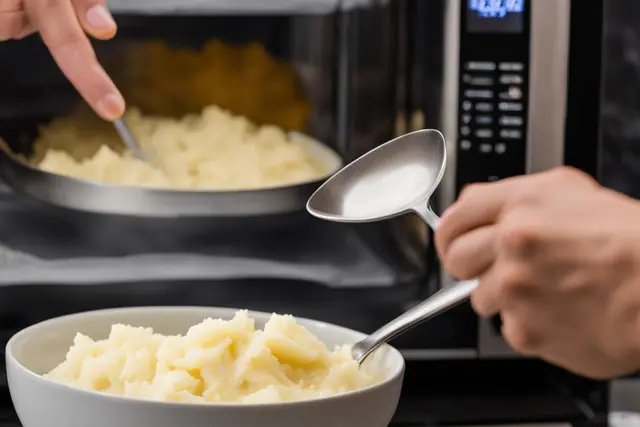
In this guide
- Why Mashed Potatoes Need to Be Reheated Properly
- Reheating Mashed Potatoes on the Stovetop
- Reheating Mashed Potatoes in the Oven
- Using the Microwave to Reheat Mashed Potatoes
- Freezing Mashed Potatoes for Future Use
- Additional Tips for Reheating Mashed Potatoes
- Revamping Leftover Mashed Potatoes
- Expert Advice from Ree Drummond
- Reheating on the Stovetop
- Reheating in the Oven
- Reheating Mashed Potatoes in the Microwave: Ree Drummond's Advice
- Bringing Leftover Mashed Potatoes Back to Life
- Recommended Utensils for Reheating Mashed Potatoes
- Precautions to Take When Reheating Mashed Potatoes
- Conclusion
- Source Links
- FAQ
Hello there! If you're like me, you know that mashed potatoes are one of the most comforting and delicious side dishes out there. But what do you do when you have leftover mashed potatoes and want to enjoy them again without sacrificing their creamy texture? Well, I've got you covered!
In this article, we will explore different methods and expert tips on how to reheat mashed potatoes while keeping them creamy and oh-so-delicious. Whether you prefer stovetop, oven, or microwave reheating, we'll walk you through the steps to ensure your mashed potatoes come out perfect every time.
Why Mashed Potatoes Need to Be Reheated Properly
Mashed potatoes are a beloved comfort food, but reheating them incorrectly can result in a dry and sticky texture. It's important to follow proper reheating techniques to preserve the creamy texture and flavors of mashed potatoes. Here are some tips to ensure your reheated mashed potatoes are just as delicious as the first time around.
The Pitfalls of Improper Reheating
When mashed potatoes are reheated incorrectly, they can lose their moisture and become dry and clumpy. This is because potatoes contain starch, and when heated, the starch molecules can bond together and create a gummy texture. Additionally, reheating mashed potatoes too quickly or at too high of a temperature can lead to uneven heating and an unpleasant texture.
- Improper reheating can result in dry and clumpy mashed potatoes.
- Reheating too quickly or at a high temperature can lead to an uneven texture.
- Proper reheating techniques are crucial to preserve the creamy texture and flavors.
Tips for Successful Reheating
To ensure your reheated mashed potatoes are creamy and delicious, follow these tips:
- Use a gentle reheating method, such as stovetop, oven, or microwave, rather than direct heat.
- Add a splash of cream or milk and a knob of butter to the mashed potatoes before reheating to prevent dryness.
- If using the stovetop method, place the mashed potatoes in a heatproof bowl and heat them over a pot of simmering water, stirring occasionally until warmed through.
- When reheating in the oven, preheat it to 350 degrees Fahrenheit and add more cream or milk and butter to the dish before baking. Reheat until the potatoes are warm throughout and reach a temperature of 165 degrees Fahrenheit.
- If using the microwave method, place the mashed potatoes in a microwave-safe dish, cover them with plastic wrap or a wet paper towel, and heat them in two-minute increments, stirring after each one. Ensure the potatoes reach a safe internal temperature of 165 degrees Fahrenheit.
By reheating your mashed potatoes properly, you can enjoy the same creamy and flavorful dish as when it was freshly made. Experiment with different reheating methods to find the one that works best for you, and don't forget to add a touch of creaminess to keep the potatoes moist and delicious.
Reheating Mashed Potatoes on the Stovetop
When it comes to reheating mashed potatoes, the stovetop method is highly recommended by food stylist Riley Wofford. This method allows you to warm up your mashed potatoes while preserving their creamy texture and flavors. Here's how to do it:
Instructions:
- After cooking your mashed potatoes, transfer them to a heatproof bowl.
- Fill a pot with water and bring it to a simmer on the stovetop.
- Place the bowl of mashed potatoes over the simmering water, creating a double boiler effect.
- Add a splash of cream or milk and a pat of butter to the mashed potatoes to prevent them from drying out.
- Stir the potatoes occasionally to ensure even heating and to maintain their creamy consistency.
- Continue heating until the mashed potatoes are warmed through.
Using the stovetop method to reheat mashed potatoes helps retain their moisture and prevents them from becoming clumpy or dry. The gentle heat from the simmering water allows the mashed potatoes to warm up gradually, ensuring they stay creamy and delicious.
Now that you know how to reheat mashed potatoes on the stovetop, you can enjoy creamy and delicious leftovers without worrying about them losing their original texture and taste. Let's move on to exploring other reheating methods in the upcoming sections.
Reheating Mashed Potatoes in the Oven
If you're looking for a method to reheat mashed potatoes that will ensure even heating and a crispy, golden finish, using the oven is a great option. This method is particularly suitable if you're reheating a larger batch or want to add a delicious crust to your mashed potatoes.
To reheat mashed potatoes in the oven, preheat your oven to 350 degrees Fahrenheit. Transfer the mashed potatoes to an oven-safe dish, ensuring it's large enough to allow for even heating without overcrowding. Add a splash of cream or milk and a pat of butter to the dish to prevent dryness and enhance the flavor. Cover the dish with aluminum foil to trap the moisture and prevent the top from drying out.
Place the dish in the preheated oven and bake for approximately 20 minutes, or until the mashed potatoes are heated through and reach an internal temperature of 165 degrees Fahrenheit. To create a crispy crust, remove the foil for the last 5 minutes of baking. Keep an eye on the mashed potatoes to prevent them from overbrowning.
| Advantages of Oven Reheating | Disadvantages of Oven Reheating |
|---|---|
| Even heating for a consistent result | Extended reheating time compared to other methods |
| Possibility to create a crispy crust | Requires the use of an oven, which might not be available in all kitchens |
| Large batch reheating capability | May result in a drier texture if not properly monitored |
With oven reheating, you can achieve a satisfying balance between a warm, creamy interior and a crispy, golden top. This method is perfect for when you want to recreate that fresh-out-of-the-oven experience for your reheated mashed potatoes.
Reheating Tips for the Oven Method
- Preheat the oven to ensure even heating from the start.
- Use an oven-safe dish with enough space to prevent overcrowding.
- Add a splash of cream or milk and a pat of butter to prevent dryness and enhance flavor.
- Cover the dish with aluminum foil to trap moisture.
- Monitor the cooking process to prevent overbrowning or drying out.
Using the Microwave to Reheat Mashed Potatoes
When you need to quickly reheat your leftover mashed potatoes, the microwave can be a lifesaver. Follow these simple steps to ensure your potatoes come out warm and delicious:
- Place the mashed potatoes in a microwave-safe dish.
- Cover the dish with plastic wrap or a wet paper towel to help retain moisture.
- Heat the mashed potatoes in the microwave on high power for two minutes.
- Remove the dish from the microwave and give the potatoes a good stir.
- Continue to heat the potatoes in two-minute increments, stirring after each interval, until they are thoroughly warmed.
It's important to note that while the microwave is quick and convenient, it can potentially cause uneven heating or dry out the potatoes if not monitored closely. Be sure to check the internal temperature of the potatoes with a food thermometer to ensure they have reached a safe temperature of 165 degrees Fahrenheit.
Remember to always exercise caution when removing the plastic wrap or paper towel, as steam can accumulate and cause burns. Use oven mitts or a towel to protect your hands.
| Pros | Cons |
|---|---|
| Quick and convenient | Potential for uneven heating |
| Retains moisture | Potential for dry potatoes |
| Easy to monitor and adjust heat | May require multiple intervals |
Expert Tip
According to Chef Ree Drummond, adding a pat of butter or a splash of heavy cream to your mashed potatoes before reheating in the microwave can help restore their creamy texture.
Freezing Mashed Potatoes for Future Use
When you find yourself with leftover mashed potatoes, freezing them is a great option to ensure they don't go to waste. Freezing mashed potatoes allows you to have a convenient and delicious side dish on hand whenever you need it. However, it's important to follow the proper steps to maintain the texture and flavor of the potatoes.
To freeze mashed potatoes, start by portioning them into airtight containers or freezer bags. It's best to divide them into individual or family-sized servings for easy thawing and reheating. Make sure to leave some room in the containers for expansion during freezing.
Label the containers or bags with the date and contents, and then place them in the freezer. Mashed potatoes can be stored in the freezer for up to three months. When you're ready to enjoy them, simply thaw the containers in the refrigerator for about 24 hours before reheating.
Table: Tips for Freezing Mashed Potatoes
| Tip | Description |
|---|---|
| Portioning | Divide mashed potatoes into individual or family-sized servings for easy thawing and reheating. |
| Labeling | Clearly mark the containers or bags with the date and contents to avoid confusion. |
| Freezing Time | Mashed potatoes can be stored in the freezer for up to three months. |
| Thawing | Thaw frozen mashed potatoes in the refrigerator for about 24 hours before reheating. |
By following these freezing tips, you can have a convenient stash of mashed potatoes ready to be enjoyed whenever you desire. Whether as a quick side dish or as a base for creative recipes, frozen mashed potatoes can be a versatile and time-saving addition to your meal planning.
Additional Tips for Reheating Mashed Potatoes
When it comes to reheating mashed potatoes, there are a few additional tips and techniques that can help ensure the best results. These precautions will help you avoid dryness or a gummy texture, and allow you to bring out the full flavor of your creamy potatoes.
Add Extra Butter, Cream, or Milk
To prevent dryness when reheating mashed potatoes, consider adding a little extra butter, cream, or milk. This will help restore some of the moisture that may have been lost during storage. Start with small amounts and gradually add more until you reach your desired creamy consistency.
Check and Adjust Seasonings
Before serving your reheated mashed potatoes, take a moment to check the seasonings. The flavors can sometimes mellow or change during the reheating process, so it's a good idea to taste and adjust as necessary. Add a sprinkle of salt, a dash of pepper, or any other seasonings you prefer to enhance the flavor.
Avoid Over-stirring
While it's important to stir your mashed potatoes during the reheating process to ensure even heat distribution, it's equally important to avoid over-stirring. Excessive stirring can result in a gummy texture, which is not ideal for creamy mashed potatoes. Gently fold the potatoes to combine the ingredients and maintain their creamy consistency.
By following these additional tips and precautions, you can ensure that your reheated mashed potatoes remain creamy, delicious, and ready to be enjoyed once again. Whether you're using the stovetop, oven, or microwave method, these techniques will help you achieve the best results every time.
Revamping Leftover Mashed Potatoes
Don't let your leftover mashed potatoes go to waste! With a little creativity, you can transform them into new and exciting dishes. Whether you're looking to add some Tex-Mex flair or create a comforting Shepherd's Pie, there are endless possibilities for revamping your mashed potatoes.
One delicious option is to turn your mashed potatoes into a Tasty Tex-Mex Mashed Potato Bake. Simply mix in ingredients like chorizo, cheese, and green chilies for a spicy twist. Bake it in the oven until the cheese is bubbly and golden, and you'll have a satisfying meal that's bursting with flavors.
If you're craving a classic comfort food dish, repurpose your mashed potatoes as a topping for Shepherd's Pie. Layer your leftover mashed potatoes over a filling of cooked ground meat and vegetables, then bake it in the oven until the top is crispy and browned. This hearty dish is sure to warm your soul and satisfy your taste buds.
| Dish | Ingredients | Instructions |
|---|---|---|
| Tasty Tex-Mex Mashed Potato Bake | Chorizo, cheese, green chilies | Mix in ingredients, bake until golden and bubbly |
| Shepherd's Pie | Ground meat, vegetables | Layer mashed potatoes over filling, bake until crispy |
These are just a couple of examples to get you started. The key to revamping leftover mashed potatoes is to let your imagination run wild. Experiment with different ingredients, spices, and flavors to create your own unique dishes. You can even use them as a filling for stuffed peppers or as a base for potato pancakes. The possibilities are truly endless!
So, instead of throwing away those extra mashed potatoes, give them new life by revamping them into mouthwatering creations. Not only will you reduce food waste, but you'll also enjoy exciting and delicious meals that will impress your family and friends.
https://www.youtube.com/watch?v=znPSM6leMhY
Expert Advice from Ree Drummond
When it comes to reheating mashed potatoes, I have a few tried-and-true methods that always deliver creamy and delicious results. Whether you're using the stovetop, oven, or microwave, these tips will ensure that your mashed potatoes are warm, smooth, and ready to be enjoyed once again.
"Making mashed potatoes ahead of time is a great way to save time on busy days, especially during the holidays. To reheat them, I recommend using either the stovetop or the oven. Both methods help to maintain the creamy texture and flavors of the potatoes."
If you choose to reheat your mashed potatoes on the stovetop, simply transfer them to a saucepan or Dutch oven. Cover the pan and heat it over low temperature, stirring occasionally to prevent sticking. This gentle heat will ensure that the potatoes are heated through while preserving their fluffy consistency.
Alternatively, if you prefer to use the oven, place your mashed potatoes in an oven-safe casserole dish. Let them sit on the counter for a few minutes to take the chill off. Then, cover the dish and bake it at 350 degrees Fahrenheit for about 15 to 20 minutes, or until the potatoes are hot throughout.
Remember, adding a little extra butter and/or heavy cream or milk before reheating can help to enhance the creaminess of the mashed potatoes. So don't be afraid to indulge a bit! Whether you choose the stovetop or oven method, these techniques will bring your leftover mashed potatoes back to life and have your family and friends asking for seconds."
Expert Tips from Ree Drummond:
- Add butter and/or heavy cream or milk to the mashed potatoes before reheating for extra creaminess.
- When using the stovetop, heat the mashed potatoes in a saucepan or Dutch oven over low temperature.
- For oven reheating, let the mashed potatoes sit on the counter before baking them in an oven-safe dish.
- Remember to cover the mashed potatoes while reheating to prevent them from drying out.
Reheating on the Stovetop
If you prefer to reheat your mashed potatoes on the stovetop, following Ree Drummond's advice, it's a simple and effective method. Here's how:
- Transfer the cold mashed potatoes to a saucepan or Dutch oven.
- Cover the saucepan or Dutch oven to retain heat and moisture.
- Heat the mashed potatoes over low temperature until they become smooth, creamy, and heated through.
- Remember to stir occasionally to prevent sticking and to ensure even heating.
By reheating your mashed potatoes on the stovetop, you can enjoy the same creamy and delicious texture as when they were freshly made. This method allows for better control of the heat and helps retain the consistency and flavors of the potatoes.
Ree Drummond's Advice on Stovetop Reheating
"I find that reheating mashed potatoes on the stovetop is the best method to maintain their creaminess. Heat them over low temperature, stir occasionally, and you'll have perfectly delicious mashed potatoes."
Ree Drummond, with her expertise in hosting holiday meals, recommends reheating mashed potatoes on the stovetop. Her simple yet effective advice has been trusted by many, and it's a great option if you want to enjoy creamy, flavorful mashed potatoes.
Now that you know how to reheat mashed potatoes on the stovetop, let's explore another popular method: reheating in the oven.
Reheating in the Oven
When it comes to reheating mashed potatoes, oven methods are highly recommended for achieving that perfect balance of creamy and delicious. Following the advice of expert Ree Drummond, this method ensures that your mashed potatoes retain their smooth texture and flavorful taste.
To begin, simply set your refrigerated mashed potatoes in an oven-safe casserole dish on the countertop to take the chill off. Then, cover the dish and bake at 350 degrees Fahrenheit for 15 to 20 minutes, or until the potatoes are hot throughout.
Reheating mashed potatoes in the oven allows for even heating and helps to prevent any drying out or loss of creaminess. As a result, you'll be able to enjoy the same delicious flavors and velvety texture as if the mashed potatoes were freshly made.
Reheating in the Oven - Step by Step
- Set the refrigerated mashed potatoes in an oven-safe casserole dish on the counter to take the chill off.
- Cover the dish with foil or a lid to seal in moisture and prevent the top from drying out.
- Bake the mashed potatoes at 350 degrees Fahrenheit for 15 to 20 minutes or until hot throughout.
By reheating your mashed potatoes in the oven using Ree Drummond's advice, you'll be able to savor the comforting taste and creamy texture of this beloved side dish. It's a simple and effective method that ensures your mashed potatoes are heated evenly and ready to be enjoyed once again.
Reheating Mashed Potatoes in the Microwave: Ree Drummond's Advice
When it comes to reheating mashed potatoes, the microwave can be a convenient and quick option. Let's explore Ree Drummond's expert advice on how to achieve perfectly reheated mashed potatoes using this method.
First, transfer the cold mashed potatoes into a microwave-safe bowl. Make sure the bowl is deep enough to prevent any spillage during the reheating process. Cover the bowl with a microwave-safe lid, plastic wrap, or a damp paper towel to retain moisture. This will help prevent the potatoes from drying out.
Place the bowl in the microwave and heat the mashed potatoes for one minute on high power. After one minute, remove the bowl from the microwave and give the potatoes a good stir. This will help distribute the heat evenly and prevent any hot spots.
Continue microwaving the mashed potatoes in 30-second increments, stirring after each interval, until they are thoroughly warmed. Be sure to check the internal temperature with a food thermometer to ensure the potatoes reach a safe temperature of 165 degrees Fahrenheit.
Follow these simple steps, and you'll have piping hot mashed potatoes ready to be enjoyed in no time. Ree Drummond's microwave method offers a convenient and efficient way to reheat your leftover mashed potatoes while preserving their creamy texture and delicious flavors.
Reheating Mashed Potatoes in the Microwave: Quick Step-by-Step Guide
- Transfer cold mashed potatoes to a microwave-safe bowl.
- Cover the bowl with a microwave-safe lid, plastic wrap, or a damp paper towel.
- Microwave on high power for one minute.
- Stir the mashed potatoes.
- Continue microwaving in 30-second increments, stirring after each interval, until thoroughly warmed.
- Check the internal temperature with a food thermometer (should reach 165 degrees Fahrenheit).
Bringing Leftover Mashed Potatoes Back to Life
When it comes to leftover mashed potatoes, a little extra effort can go a long way in reviving their flavor and texture. One simple trick is to add butter on top of the potatoes before reheating. The butter melts into the potatoes, infusing them with richness and enhancing their creaminess. Alternatively, you can also pour some giblet gravy over the mashed potatoes for a savory and indulgent twist.
Adding butter or giblet gravy not only adds flavor but also helps to combat any dryness that may have developed during storage. The fats in the butter or the gravy work to lubricate the potatoes, resulting in a smoother and more enjoyable eating experience.
To bring your leftover mashed potatoes back to life, spread a layer of butter over the top of the potatoes or pour a generous amount of giblet gravy over them. Then, follow one of the reheating methods mentioned earlier, whether it's on the stovetop, in the oven, or in the microwave. The butter or giblet gravy will melt and blend with the potatoes, creating a delicious and satisfying side dish.
Table: Comparison of Butter and Giblet Gravy for Reviving Leftover Mashed Potatoes
| Butter | Giblet Gravy | |
|---|---|---|
| Flavor | Rich and creamy | Savory and flavorful |
| Texture | Smooth and buttery | Velvety and thick |
| Effect on Dryness | Moisturizes the potatoes | Adds moisture and richness |
| Recommended Reheating Methods | Stovetop, oven, or microwave | Stovetop, oven, or microwave |
Recommended Utensils for Reheating Mashed Potatoes
When it comes to reheating mashed potatoes, having the right utensils can make all the difference in achieving a creamy and delicious result. Here are the recommended utensils for each reheating option:
Stovetop Reheating:
For stovetop reheating, you will need a heatproof bowl. This bowl should be able to withstand the direct heat from the simmering water. A glass or stainless steel bowl would work well for this method. Place the mashed potatoes in the bowl and set it over a pot of simmering water. This gentle heat will warm the potatoes without causing them to become dry or sticky.
Oven Reheating:
If you prefer to reheat your mashed potatoes in the oven, an oven-safe casserole dish is essential. Choose a dish that is deep enough to hold the mashed potatoes without overflowing. You can opt for a glass or ceramic dish, both of which retain heat well and provide even reheating. This method allows the potatoes to heat evenly throughout, resulting in a creamy texture.
Microwave Reheating:
For quick and convenient reheating, the microwave is the way to go. Choose a microwave-safe bowl that is large enough to hold the mashed potatoes without spilling over the sides. Make sure the bowl is microwave-safe to avoid any potential hazards. Cover the bowl with plastic wrap or a wet paper towel to prevent the potatoes from drying out and to retain moisture. The microwave reheating method is perfect for those times when you need to enjoy a small portion of mashed potatoes in a hurry.
By using the appropriate utensils for each reheating method, you can ensure that your mashed potatoes stay creamy and delicious, just as if they were freshly made. Whether you prefer stovetop, oven, or microwave reheating, these recommended utensils will contribute to a successful and satisfying result.
| Reheating Method | Recommended Utensil |
|---|---|
| Stovetop Reheating | Heatproof bowl |
| Oven Reheating | Oven-safe casserole dish |
| Microwave Reheating | Microwave-safe bowl |
Precautions to Take When Reheating Mashed Potatoes
When reheating mashed potatoes, it is important to take certain precautions to ensure both the safety and quality of the dish. Here are some key reheating instructions to keep in mind:
- Internal Temperature: To avoid any risk of foodborne illness, it is crucial to ensure that the mashed potatoes reach a safe internal temperature of 165 degrees Fahrenheit (74 degrees Celsius). Use a food thermometer to accurately measure the temperature.
- Gradual Addition of Liquid: Adding liquid gradually while reheating will help maintain the desired consistency of the mashed potatoes. This will prevent them from turning into a soupy or watery texture. Add small amounts of cream, milk, or butter as needed, stirring gently to incorporate.
- Gentle Stirring: When reheating mashed potatoes, it's important to avoid over-stirring. Excessive stirring can lead to a gummy texture in the potatoes. Instead, gently fold the ingredients together to combine them evenly while preserving the creamy consistency.
By following these precautions, you can ensure that reheated mashed potatoes are both safe to eat and retain their delicious flavor and texture. Now let's take a closer look at the different methods and techniques for reheating mashed potatoes.
Reheating Methods: Stovetop, Oven, and Microwave
When it comes to reheating mashed potatoes, there are several methods you can choose from, depending on your preference and available resources. The stovetop, oven, and microwave methods each have their advantages and considerations to keep in mind.
| Reheating Method | Advantages | Considerations |
|---|---|---|
| Stovetop | - Reheats evenly - Retains creamy texture |
- Requires stovetop and heatproof bowl - Requires monitoring and occasional stirring |
| Oven | - Suitable for larger quantities - Provides a crispy top layer option |
- Requires preheating and baking time - Can cause some drying out if not closely monitored |
| Microwave | - Quick and convenient - Ideal for smaller servings |
- May result in uneven reheating - Requires careful monitoring and stirring |
Each method offers its unique advantages and considerations, so choose the one that best fits your needs and resources. Whichever method you choose, ensure that you take the necessary precautions mentioned earlier to maintain the quality and safety of the reheated mashed potatoes.
Conclusion
In conclusion, reheating mashed potatoes can be done effectively using various methods such as stovetop, oven, or microwave. Each method has its advantages and can help you achieve creamy and delicious results.
To maintain the creamy texture, it is essential to add additional ingredients like butter, cream, or milk when reheating. These ingredients not only enhance the flavors but also prevent the potatoes from drying out.
Remember to take precautions while reheating by ensuring the potatoes reach a safe internal temperature of 165 degrees Fahrenheit. Gradually adding liquid and stirring gently will help you avoid ending up with a soupy or sticky consistency.
Whether you're reheating mashed potatoes for a quick meal or revamping leftovers into exciting dishes, following these reheating tips will help you enjoy creamy and flavorful mashed potatoes every time.
Source Links
- https://www.thepioneerwoman.com/food-cooking/cooking-tips-tutorials/a37610747/how-to-reheat-mashed-potatoes/
- https://www.marthastewart.com/8179501/how-reheat-mashed-potatoes
- https://www.southernliving.com/food/veggies/potatoes/how-to-reheat-mashed-potatoes
Frequently asked questions
- Why do mashed potatoes need to be reheated properly?
Mashed potatoes can develop a dry, sticky texture when reheated incorrectly. Proper reheating techniques are essential to preserve their creamy texture and flavors.
- How can I reheat mashed potatoes on the stovetop?
After cooking, store the mashed potatoes in a heatproof bowl and place it over a pot of simmering water. Add a splash of cream or milk and butter to prevent dryness. Stir occasionally until everything is warmed through.
- What is the best method for reheating mashed potatoes in the oven?
Preheat the oven to 350 degrees Fahrenheit and add more cream or milk and butter to the dish before baking. Reheat until the potatoes are warm throughout and reach a temperature of 165 degrees Fahrenheit.
- Can I use the microwave to reheat mashed potatoes?
Yes, you can. Place the potatoes in a microwave-safe dish, cover them with plastic wrap or a wet paper towel, and heat them in two-minute increments, stirring after each one. Ensure the potatoes reach a safe internal temperature of 165 degrees Fahrenheit.
- Can mashed potatoes be frozen for later use?
Yes, you can freeze mashed potatoes. Thaw them in the fridge for 24 hours before reheating using one of the methods mentioned above to maintain their creamy texture.
- Are there any additional tips for reheating mashed potatoes?
Yes, consider adding additional butter, cream, or milk to prevent dryness. Check for seasonings and adjust accordingly before serving. Avoid over-stirring to prevent a gummy texture in the potatoes.
- How can I revamp leftover mashed potatoes?
Leftover mashed potatoes can be transformed into new dishes. Add ingredients like chorizo, cheese, and green chilies for a Tasty Tex-Mex Mashed Potato Bake or use them as a topping for Shepherd's Pie.
- What is Ree Drummond's advice for reheating mashed potatoes?
Ree Drummond recommends making mashed potatoes ahead of time and reheating them on the stovetop or in the oven. Stir in butter and/or heavy cream or milk for extra creaminess.
- What utensils are recommended for reheating mashed potatoes?
Utensils for reheating mashed potatoes include a heatproof bowl for stovetop reheating, an oven-safe casserole dish for oven reheating, and a microwave-safe bowl for microwave reheating.
- What precautions should I take when reheating mashed potatoes?
Ensure the potatoes reach a safe internal temperature of 165 degrees Fahrenheit. Gradually add liquid when reheating to avoid ending up with potato soup. Stir gently to prevent the potatoes from turning into glue.
AprilCook, recipe developer and the heart of Chefwiz. More about April