Guide
How to Reheat Meatloaf: Retaining Moisture and Flavor
Discover my handy guide on how to reheat meatloaf without losing moisture or flavor. Perfect for leftovers, you'll never have dry meatloaf again!
 By April25 min read
In this guide
- The Advantages of Reheating Meatloaf in the Oven
- Achieving Crispy Meatloaf in the Oven
- Slow Cooker Reheating Method for Moist and Flavorful Results
- Quick and Convenient Reheating with the Microwave
- Steaming Method for Moist and Soft Meatloaf
- Skillet Reheating for a Crispy Result
- Air Fryer Reheating Method for Quick Results
- Proper Storage and Freezing of Meatloaf Leftovers
- Tips for Reheating Meatloaf
- Choosing the Right Reheating Method
- Pros and Cons of Each Reheating Method
- The Importance of Proper Storage and Freezing
- The Ideal Conditions for Storing Meatloaf Leftovers
- Best Practices for Reheating and Enjoying Meatloaf Leftovers
- Conclusion
- Source Links
- FAQ
When it comes to reheating meatloaf, there are several methods you can use to ensure that it stays moist and flavorful. Whether you choose to use the oven, microwave, steamer, skillet, or air fryer, each method has its own advantages and considerations. In this article, I will guide you through the different reheating techniques and provide you with key tips for preserving the taste and quality of your leftover meatloaf.
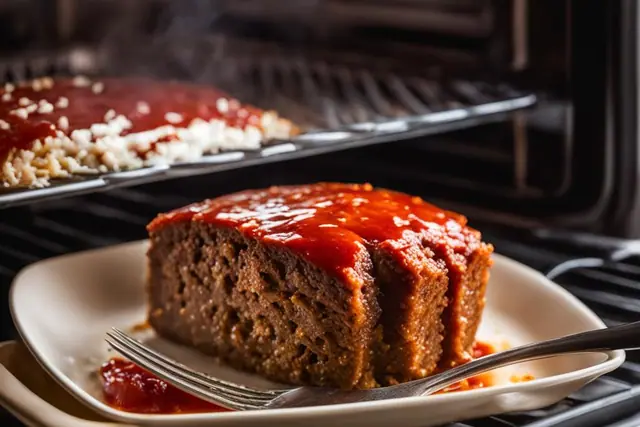
One of the best methods for reheating meatloaf and retaining its moisture and flavor is to use the oven. By reheating it in the oven, you can ensure that the heat is evenly distributed, resulting in a juicy and delicious dish. To add extra flavor and moisture, consider adding a glaze or sauce on top of the meatloaf before reheating.
Another advantage of reheating meatloaf in the oven is that it allows for a crispy outer layer. By removing the tinfoil during the last few minutes of reheating, you can achieve a satisfyingly crispy texture. Using a wire rack instead of a cooking tray can further enhance the crispiness, while placing a dish underneath the meatloaf can catch any drippings.
If you're looking for a slow and steady method that guarantees moist and flavorful results, the slow cooker is a great option. Although it may take longer, around two to three hours, the slow cooker is perfect for reheating large loaves of leftover meatloaf.
For those who prefer a quick and convenient method, the microwave is your best friend. Simply place the meatloaf on a microwave-safe plate, cover it with a damp paper towel, and heat it in 30-second intervals until it's steaming hot. Just be careful not to overcook it, as it can result in a less crispy texture.
If you're looking to restore moisture and create a soft texture, steaming is the way to go. Boil a pot of water, place a steamer basket over it, and heat the meatloaf slices for 3-5 minutes, depending on their thickness.
On the other hand, if you're craving that crispy, golden-brown exterior, reheating meatloaf in a skillet is your best bet. Heat a skillet with a little oil or beef stock, then cook the meatloaf slices for 2 minutes on one side and 1-2 minutes on the other. Just be cautious not to make the meatloaf too wet by using excessive liquid.
Lastly, if you want a quick reheating method that results in a slightly dry texture, the air fryer is the way to go. Preheat the air fryer to 350°F, slice the meatloaf, and cook it for 5-7 minutes, depending on its thickness.
The Advantages of Reheating Meatloaf in the Oven
When it comes to reheating meatloaf, using the oven has several advantages. Not only does it allow for even distribution of heat, ensuring that every slice is warmed through, but it also helps to enhance the flavors of the dish. Reheating meatloaf in the oven can make the flavors more prominent, resulting in a more enjoyable eating experience.
Another advantage of reheating meatloaf in the oven is that it helps to retain the juiciness of the meat. Unlike other reheating methods that can sometimes dry out the meat, the oven provides a moist and tender result. The gentle heat of the oven ensures that the meatloaf stays juicy, making each bite flavorful and satisfying.
To further enhance the flavor and moistness of the meatloaf, you can add a glaze or sauce to the top before reheating. This will not only give the meatloaf an extra burst of flavor but also help to keep it moist throughout the reheating process. Whether it's a tangy barbecue glaze or a savory tomato sauce, adding a layer of deliciousness on top will take your reheated meatloaf to the next level.
| Advantages of Reheating Meatloaf in the Oven |
|---|
| Even distribution of heat |
| Enhanced flavors |
| Retained juiciness |
| Opportunity to add a glaze or sauce for extra flavor and moisture |
Reheating meatloaf in the oven allows for the perfect balance of flavors and juiciness. By taking advantage of the even distribution of heat, you can enjoy a reheated meatloaf that is just as delicious as when it was first made.
Achieving Crispy Meatloaf in the Oven
When reheating meatloaf in the oven, achieving a crispy texture can take your dish to the next level. Here are some tips to help you achieve that perfect crunch.
Using a Wire Rack
Placing your meatloaf on a wire rack instead of a cooking tray can help air circulate around the entire loaf, promoting a crispy exterior. This allows heat to distribute evenly, ensuring that every bite of your reheated meatloaf has a satisfying crunch.
Removing the Tinfoil
During the last few minutes of reheating, remove the tinfoil from the top of the meatloaf. This allows the surface to crisp up, creating a contrast in texture between the crispy exterior and the tender interior. Just be careful not to overcook the meatloaf, as it can dry out if left in the oven for too long.
Catching Drippings
To prevent any drippings from making your meatloaf soggy, place a dish underneath the wire rack to catch the juices. This not only keeps your oven clean but also helps maintain the desired crispy texture by preventing the meatloaf from sitting in any excess moisture.
| Tip | Effect |
|---|---|
| Using a wire rack | Promotes even air circulation and crispy exterior |
| Removing the tinfoil | Creates a contrast in texture between the crispy exterior and tender interior |
| Catching drippings | Prevents meatloaf from sitting in excess moisture |
By following these tips, you can achieve a crispy and delicious reheated meatloaf in the oven. The wire rack allows for even air circulation, the removal of tinfoil creates a contrast in textures, and catching drippings prevents sogginess. Enjoy your perfectly crispy meatloaf!
Slow Cooker Reheating Method for Moist and Flavorful Results
The slow cooker, also known as a crock-pot, is a versatile kitchen appliance that can be used to reheat meatloaf. This method is particularly beneficial when reheating large loaves of leftovers or when you want to achieve moist and flavorful results.
To reheat meatloaf in a slow cooker, follow these simple steps:
- Place the leftover meatloaf in the slow cooker.
- Add a small amount of liquid, such as beef broth or tomato sauce, to the slow cooker. This will help prevent the meatloaf from drying out during the reheating process.
- Cover the slow cooker and set it to low heat.
- Allow the meatloaf to heat slowly for approximately 2 to 3 hours, or until it reaches an internal temperature of at least 165°F (74°C).
- Once heated through, remove the meatloaf from the slow cooker and serve.
The slow cooker reheating method is a convenient option that requires minimal effort. It allows the meatloaf to slowly heat, allowing the flavors to meld together and the moisture to be retained. The result is a moist and flavorful dish that is ready to be enjoyed!
Slow Cooker Reheating Tips:
- Ensure the slow cooker is large enough to accommodate the size of your meatloaf.
- Use a meat thermometer to ensure the internal temperature of the meatloaf reaches a safe temperature of 165°F (74°C).
- Consider adding additional seasonings or toppings, such as barbecue sauce or cheese, to enhance the flavor of the reheated meatloaf.
| Pros | Cons |
|---|---|
| Retains moisture | Requires longer reheating time |
| Enhances flavors | May result in a softer texture |
| Convenient for reheating large portions | Requires a slow cooker |
Quick and Convenient Reheating with the Microwave
When it comes to reheating meatloaf, using the microwave can be a quick and convenient option. Whether you're reheating a single slice or a small portion, the microwave can efficiently warm up your meatloaf in no time.
To start, place the meatloaf on a microwave-safe plate. Cover it with a damp paper towel to help retain moisture during the reheating process. This simple step ensures that your meatloaf stays juicy and delicious.
Next, microwave the meatloaf in 30-second intervals, checking after each interval to ensure it's steaming hot. This allows for even heating and prevents any cold spots. The exact reheating time will depend on the thickness and size of the meatloaf slices, so adjust accordingly.
Additional Tips:
- If your meatloaf has a glaze or sauce, consider removing it before reheating in the microwave. This will prevent any splattering or mess.
- For a more flavorful experience, you can add your favorite sauce or gravy to the meatloaf before reheating. This will infuse additional taste and moisture into the dish.
- Allow the reheated meatloaf to rest for a few minutes before serving. This will help distribute the heat evenly and ensure a more enjoyable dining experience.
In conclusion, reheating meatloaf in the microwave is quick, convenient, and can yield delicious results. Follow these simple steps and tips to enjoy a warm and satisfying meal without the hassle of using other cooking methods.
Steaming Method for Moist and Soft Meatloaf
When it comes to reheating meatloaf, the steaming method is an excellent option for achieving a moist and soft texture. Steaming helps to restore moisture to the meatloaf and prevent it from drying out during the reheating process. By using this gentle and moist cooking method, you can enjoy a tender and juicy slice of meatloaf just like it was freshly made.
To steam your meatloaf, start by placing a pot of water on the stovetop and bringing it to a boil. Then, using a steamer basket, carefully place the meatloaf slices inside, making sure they are evenly spaced. Cover the pot with a lid to trap the steam and let the meatloaf steam for about 3-5 minutes. The exact steaming time will depend on the thickness of your meatloaf slices, so adjust accordingly.
Steaming meatloaf is not only a great way to reheat it, but it also helps to preserve its original flavors. The gentle heat and moisture from the steam help to retain the natural juices and flavors of the meatloaf, resulting in a delicious and satisfying meal. So, if you're looking for a method that will keep your meatloaf moist and soft, give steaming a try!
https://www.youtube.com/watch?v=JHAXEfPJBQw
Benefits of Steaming Method
- Restores moisture to the meatloaf
- Preserves the original flavors
- Results in a tender and juicy texture
- Gentle cooking method
"Steaming meatloaf is a great way to reheat it while keeping it moist and soft. The gentle heat and moisture help preserve the flavors and ensure a tender and juicy texture." - Professional Chef
| Pros | Cons |
|---|---|
| Restores moisture | Requires a steamer basket and pot |
| Maintains flavors | Can be time-consuming |
| Keeps meatloaf tender and juicy | Requires careful monitoring of steaming time |
| Gentle cooking method |
Skillet Reheating for a Crispy Result
When it comes to reheating meatloaf, using a skillet can give you a crispy result that adds a delicious twist to your leftovers. The skillet method is quick, easy, and allows you to achieve that coveted crispy texture on the outside while keeping the inside moist and flavorful.
To reheat your meatloaf using a skillet, start by heating a little oil or beef stock in the skillet over medium heat. Once the skillet is hot, place the meatloaf slices in the pan, making sure not to overcrowd them. Cook the slices for about 2 minutes on one side, then carefully flip them and cook for an additional 1-2 minutes on the other side.
Be cautious not to make the meatloaf too wet by using excessive liquid in the skillet. The goal is to achieve a crispy exterior without drying out the meatloaf. Serve your reheated meatloaf slices with your favorite side dishes and enjoy the satisfying crunch of a perfectly crispy result.
Air Fryer Reheating Method for Quick Results
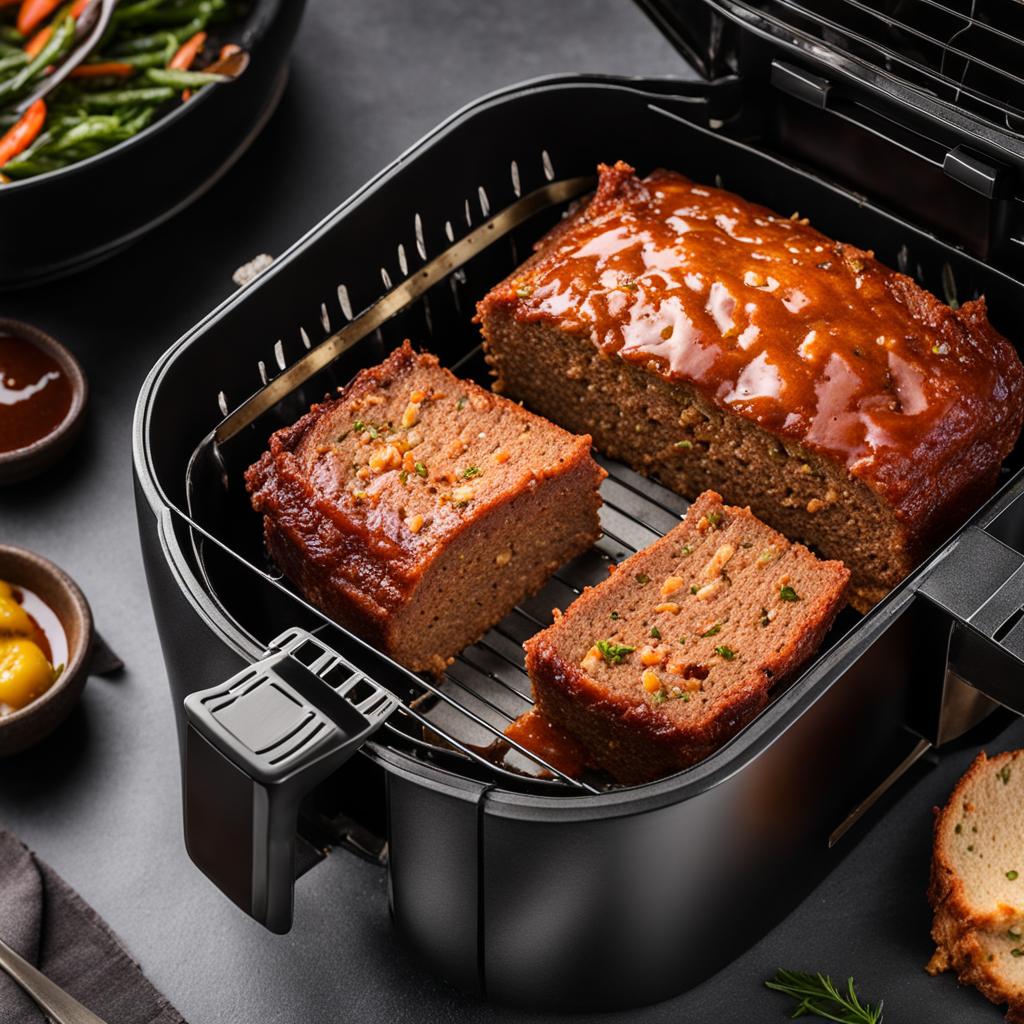
When it comes to reheating meatloaf in a hurry, the air fryer can be a convenient and efficient option. Not only does it heat up quickly, but it can also provide a crispy texture to your reheated meatloaf. However, it's important to note that the air fryer method may result in a slightly drier texture compared to other reheating techniques.
To use the air fryer for reheating meatloaf, start by preheating it to 350°F. Slice the meatloaf into individual portions and place them in the air fryer basket. Cook the meatloaf for 5-7 minutes, depending on the thickness of the slices. Keep an eye on it to ensure it doesn't overcook and become overly dry. Once heated through, remove the meatloaf from the air fryer and let it rest for a few minutes before serving.
Considerations for the Air Fryer Method
- The air fryer method works best for individual meatloaf portions rather than reheating a whole loaf. This allows for even heat distribution and prevents overcrowding in the air fryer.
- If you're concerned about the potential dryness of the reheated meatloaf, you can drizzle a small amount of broth or sauce over the slices before placing them in the air fryer. This can help add moisture and enhance the flavor.
- Adjust the cooking time based on the thickness of the meatloaf slices. Thicker slices may require a few extra minutes in the air fryer to ensure they are heated through.
Using the air fryer for reheating meatloaf can be a quick and convenient method. Just keep in mind that it may result in a slightly drier texture compared to other methods. Make sure to adjust the cooking time and add some moisture to prevent the meatloaf from becoming too dry.
By following these tips and considering the nuances of the air fryer method, you can enjoy the convenience and quick results it offers for reheating your delicious meatloaf leftovers.
Proper Storage and Freezing of Meatloaf Leftovers
When it comes to preserving the taste and quality of leftover meatloaf, proper storage and freezing techniques are essential. By following these guidelines, you can ensure that your meatloaf remains delicious and safe to eat.
Storage Recommendations
To store leftover cooked meatloaf, it's important to let it cool to room temperature first. This helps prevent condensation buildup and avoids making the meatloaf mushy. Once cooled, place the meatloaf in an airtight container and store it in the refrigerator at a temperature below 40°F (4°C). It's best to consume the leftovers within 3 days to ensure optimal freshness.
For uncooked meatloaf, wrap it tightly in foil, plastic wrap, or a freezer bag and store it in the refrigerator for up to 2 days. Remember to label the package with the date to keep track of its freshness.
Freezing Guidelines
If you have a surplus of cooked meatloaf or want to store it for a longer period, freezing is a great option. Freezing helps preserve the flavor and texture of the meatloaf, allowing you to enjoy it at a later time.
To freeze cooked meatloaf, wrap it tightly in foil, plastic wrap, or place it in a freezer bag. Make sure to remove as much air as possible to prevent freezer burn. It's recommended to consume the frozen meatloaf within 3 months for the best quality.
| Storage Guidelines | Refrigerator | Freezer |
|---|---|---|
| Cooked Meatloaf | Up to 3 days | Up to 3 months |
| Uncooked Meatloaf | Up to 2 days | Not recommended |
By following these proper storage and freezing techniques, you can ensure that your meatloaf leftovers remain safe to eat and maintain their delicious flavor and texture. Whether you choose to refrigerate or freeze, always label and date your leftovers to keep track of their freshness. With these tips in mind, you can enjoy your meatloaf for days to come.
Tips for Reheating Meatloaf
When it comes to reheating meatloaf, there are a few key tips to keep in mind to ensure delicious and moist results. Whether you're using the oven, microwave, steamer, skillet, or air fryer, these tips will help you achieve the best outcome.
Allow the meatloaf to reach room temperature before reheating
Before reheating your meatloaf, it's important to let it come to room temperature. This helps prevent overcooking the outside while the interior remains cold. Allowing the meatloaf to sit at room temperature for about 30 minutes will help ensure even heating throughout.
Add moisture to the reheating process
To prevent dryness, it's a good idea to add moisture to the reheating process. You can do this by using broth, sauce, or a damp paper towel. Adding a splash of beef or vegetable broth to the bottom of the dish or drizzling sauce over the top of the meatloaf before reheating can help keep it moist and flavorful.
Adjust cooking times and temperature
The cooking times and temperature may vary depending on the method you choose and the thickness of the meatloaf slices. It's important to adjust the settings accordingly to ensure that the meatloaf is heated through without drying out. Keep an eye on the meatloaf as it reheats to ensure it reaches the desired temperature.
By following these tips, you can enjoy perfectly reheated meatloaf that is moist, flavorful, and thoroughly heated. Whether you prefer the convenience of the microwave or the crispy result from the skillet, these tips will help you achieve the best results every time.
Choosing the Right Reheating Method
When it comes to reheating meatloaf leftovers, the choice of method depends on personal preferences and convenience. Each method offers its own advantages and considerations, allowing you to tailor the reheating process to your desired outcome.
For those looking for a traditional approach, reheating meatloaf in the oven is the way to go. This method allows for even heat distribution, ensuring that the flavors are more prominent in the dish and the meatloaf stays juicy. Adding a glaze or sauce on top before reheating can further enhance the flavor and moisten the dish. It's perfect for reheating whole meatloaves and is a popular choice for those who appreciate the classic taste of meatloaf.
If you're short on time and only need to reheat a slice or two, the microwave is a quick and convenient option. Simply place the meatloaf on a microwave-safe plate, cover it with a damp paper towel, and heat in 30-second intervals until steaming hot. While the texture may not be as crispy as oven reheating, it's a practical solution for those in a hurry.
If you're aiming for a moist and soft texture, steaming is an excellent method. By placing a pot of water to boil and using a steamer basket to heat the meatloaf slices, you can restore moisture and achieve a soft and tender result. This method works especially well for those who prefer a more delicate texture in their reheated meatloaf.
For those who enjoy a crispy exterior, reheating meatloaf in a skillet is the way to go. Heating the skillet with a little oil or beef stock and cooking the meatloaf slices for a short duration on each side can provide a crispy result. However, it's important to be cautious not to make the meatloaf too wet by using excessive liquid during the reheating process.
Last but not least, the air fryer offers a quick method for reheating meatloaf. However, it's worth noting that using an air fryer can result in a slightly drier texture. Preheating the air fryer to 350°F, slicing the meatloaf, and cooking for a few minutes depending on the thickness can yield quick results. This method is preferred by those who appreciate the convenience and speed of reheating with an air fryer.
Pros and Cons of Each Reheating Method
When it comes to reheating meatloaf, there are several methods to choose from, each with its own pros and cons. Let's take a closer look at each reheating method and evaluate their advantages and considerations.
Oven:
The oven is a popular choice for reheating meatloaf as it provides even heat distribution and allows for the crisping of the outer layer. This method is ideal for reheating whole meatloaves, ensuring that the flavors are evenly distributed throughout. However, the downside to using the oven is that it takes longer compared to other methods.
Microwave:
The microwave is a quick and convenient option for reheating individual slices of meatloaf. It offers the advantage of speed, allowing you to enjoy a hot meal in minutes. However, reheating meatloaf in the microwave may result in a less crispy texture compared to other methods.
Steaming:
Steaming is a method that can help restore moisture to dry meatloaf and create a soft texture. While it is effective in retaining the juiciness of the meat, steaming can make an already soggy meatloaf worse. Therefore, it may not be the best option if you are looking for a crispy result.
Skillet:
Reheating meatloaf in a skillet can provide a crispy result. By using a little oil or beef stock, you can achieve a delicious outer crust. However, be cautious not to make the meatloaf too wet by using excessive liquid, as this can affect the overall texture.
Air Fryer:
The air fryer offers a quick reheating method for meatloaf. It can provide a slightly dry texture, so it is important to monitor the cooking time and adjust accordingly to avoid overcooking. The air fryer is best suited for those who prefer a crispy exterior to their reheated meatloaf.
| Reheating Method | Pros | Cons |
|---|---|---|
| Oven | Even heat distribution, crispy outer layer | Takes longer compared to other methods |
| Microwave | Quick and convenient | May result in a less crispy texture |
| Steaming | Restores moisture, creates a soft texture | Can make an already soggy meatloaf worse |
| Skillet | Provides a crispy result | Excessive liquid can make the meatloaf too wet |
| Air Fryer | Quick reheating, crispy exterior | Can result in a slightly dry texture |
Overall, each reheating method has its own advantages and considerations. Consider your preference for texture, speed, and convenience when choosing the method that is right for you. With proper reheating techniques, you can enjoy a flavorful and moist meatloaf, whether it's fresh from the oven or reheated using an alternative method.
The Importance of Proper Storage and Freezing
Proper storage and freezing techniques play a vital role in preserving the taste, quality, and safety of meatloaf leftovers. By following a few essential tips, you can ensure that your reheated meatloaf remains delicious and enjoyable.
Firstly, it's crucial to cool cooked meatloaf to room temperature before storing it. Doing so helps prevent condensation buildup, which can lead to a mushy texture. Once cooled, transfer the meatloaf to an airtight container and place it in the refrigerator at a temperature below 40°F. This will help maintain its freshness and prevent the growth of harmful bacteria.
When it comes to freezing meatloaf, it's best to do so quickly after it has cooled. Rapid freezing helps preserve the texture and flavor. You can wrap the meatloaf tightly in foil, plastic wrap, or place it in a freezer bag. Be sure to label the package with the date to keep track of its storage time. In the freezer, cooked meatloaf can be safely stored for up to three months without compromising taste or quality.
By following these proper storage and freezing techniques, you can enjoy your meatloaf leftovers confidently, knowing that they are safe to eat and will provide a delicious meal when reheated.
The Ideal Conditions for Storing Meatloaf Leftovers
When it comes to storing meatloaf leftovers, it's important to create the ideal conditions to preserve the taste and quality of the dish. Proper storage techniques can help maintain the flavor and texture of the meatloaf, ensuring it remains delicious when reheated. Here are some key considerations for storing meatloaf leftovers:
- Use an airtight container: To prevent air exposure and moisture loss, store the meatloaf in an airtight container. This will help maintain its freshness and prevent any lingering odors in the fridge.
- Refrigerate at the right temperature: It's crucial to store the meatloaf in the refrigerator at a temperature below 40°F (4°C). This will inhibit the growth of bacteria and keep the meatloaf safe to consume.
- Consume within 3 days: Leftover meatloaf should be consumed within 3 days for optimal freshness. After this time, the quality and taste may start to deteriorate.
It's worth noting that freezing meatloaf leftovers can also extend their storage time. Freezing cooked meatloaf quickly after cooling helps preserve its texture and flavor. Wrap the meatloaf tightly in plastic wrap, aluminum foil, or place it in a freezer bag before storing it in the freezer. Properly frozen meatloaf can be stored for up to 3 months.
By following these ideal storage conditions, you can ensure that your meatloaf leftovers remain safe, delicious, and ready to be reheated whenever you're ready to enjoy them.
| Storage Tips | Duration |
|---|---|
| Refrigerator (below 40°F/4°C) | Up to 3 days |
| Freezer (0°F/-18°C) | Up to 3 months |
Best Practices for Reheating and Enjoying Meatloaf Leftovers
When it comes to reheating and enjoying meatloaf leftovers, following a few best practices can ensure that your dish remains flavorful and moist. Whether you choose to reheat in the oven, microwave, steamer, skillet, or air fryer, these tips will help you achieve delicious results.
Use Moisture-Enhancing Techniques
To prevent your meatloaf from drying out during reheating, consider adding moisture-enhancing techniques. You can brush a glaze or sauce on top of the meatloaf before reheating to add extra flavor and moisture. Another option is to place a damp paper towel over the meatloaf while reheating in the microwave, which helps retain moisture and prevents it from becoming dry.
Additionally, using broth or a splash of water in the bottom of the reheating dish can create steam, which will help keep the meatloaf moist. Just be sure not to add too much liquid, as it may make the meatloaf too wet and affect the texture.
Adjust Cooking Times and Temperatures
The thickness of your meatloaf slices and the reheating method you choose will affect the cooking times and temperatures. Thicker slices will require longer reheating times, while thinner slices will heat up more quickly.
It's important to adjust the cooking times and temperatures accordingly to avoid overcooking or undercooking the meatloaf. Follow the recommended guidelines for each reheating method and use a meat thermometer to ensure that the internal temperature reaches a safe level of 165°F (74°C).
Serve with Garnishes, Herbs, and Spices
Adding garnishes, herbs, and spices to your reheated meatloaf can elevate the flavors and make it more enjoyable. Consider topping your meatloaf with fresh herbs like parsley or thyme, or sprinkle some grated cheese on top for an extra layer of flavor. You can also serve it with a side of tangy barbecue sauce or rich mushroom gravy to enhance the taste.
Experiment with different garnishes, herbs, and spices to find the combinations that suit your preferences. Don't be afraid to get creative and personalize your reheated meatloaf leftovers!
Summary Table: Reheating Methods and Tips
| Reheating Method | Tips |
|---|---|
| Oven | Preheat to 350°F (175°C), cover with foil, and bake for 20-30 minutes or until heated through. Remove foil for the last few minutes to achieve a crispy top. |
| Microwave | Place slices on a microwave-safe plate, cover with a damp paper towel, and heat in 30-second intervals until steaming hot. |
| Steamer | Use a steamer basket to heat slices for 3-5 minutes, depending on thickness. Steam until heated throughout. |
| Skillet | Heat a skillet with a little oil or beef stock over medium heat. Cook slices for 2 minutes on one side, then flip and cook for an additional 1-2 minutes. |
| Air Fryer | Preheat to 350°F (175°C), slice meatloaf, and cook for 5-7 minutes or until heated through. Check for desired crispiness. |
By following these best practices, you can reheat and enjoy your meatloaf leftovers with confidence. Whether you prefer the convenience of the microwave or the crispy result from the skillet, these tips will help you achieve delicious results every time.
Conclusion
Reheating meatloaf can be done using various methods such as the oven, microwave, steamer, skillet, or air fryer. Each method has its advantages and considerations. The oven, for example, provides even heat distribution and the ability to crisp the outer layer, but it takes longer. On the other hand, the microwave is quick, but it can result in a less crispy texture. Steaming restores moisture but can make an already soggy meatloaf worse. The skillet provides a crispy result, but it may make the meatloaf too wet. Lastly, the air fryer is quick, but it can result in a slightly dry texture.
Proper storage and freezing techniques are essential for preserving the taste and quality of leftover meatloaf. Cooling the meatloaf to room temperature before storing can prevent condensation build-up and mushiness. When freezing cooked meatloaf, it's important to do so quickly to help preserve its texture.
To enjoy flavorful and moist reheated meatloaf, it's crucial to follow best practices and adjust cooking times based on personal preferences. Adding sauces or gravies can enhance flavor and moisture. Don't hesitate to serve the reheated meatloaf with garnishes, herbs, and spices to personalize the dish. By utilizing these tips and techniques, you can make the most out of your leftover meatloaf and enjoy it just as much as the first time around.
Source Links
- https://www.thedailymeal.com/1373339/best-way-reheat-meatloaf-without-drying-out/
- https://pantryandlarder.com/how-to-reheat-meatloaf/
- https://kitchenous.com/reheat-meatloaf/
Frequently asked questions
- How long can I store leftover meatloaf in the refrigerator?
Leftover cooked meatloaf should be stored in an airtight container in the refrigerator for up to 3 days.
- Can I freeze cooked meatloaf?
Yes, you can freeze cooked meatloaf. Wrap it in foil, plastic wrap, or a freezer bag and store it in the freezer for up to 3 months.
- How do I reheat meatloaf in the oven?
To reheat meatloaf in the oven, preheat it to 350°F, place the meatloaf in a baking dish, cover it with foil, and heat for about 20-30 minutes or until heated through.
- Can I add a glaze or sauce to the meatloaf before reheating?
Yes, adding a glaze or sauce to the top of the meatloaf before reheating can add flavor and moisture to the dish.
- How can I achieve a crispy texture when reheating meatloaf in the oven?
Remove the tinfoil from the top of the meatloaf during the last few minutes of reheating in the oven and use a wire rack instead of a cooking tray to enhance crispiness.
- How long does it take to reheat meatloaf in a slow cooker?
Reheating meatloaf in a slow cooker can take around two to three hours, but it can result in moist and flavorful results, especially for reheating large loaves of leftovers.
- Can I reheat meatloaf in the microwave?
Yes, the microwave is a convenient option for reheating meatloaf. Place the meatloaf on a microwave-safe plate, cover it with a damp paper towel, and heat it in 30-second intervals until steaming hot.
- How can I restore moisture to reheated meatloaf?
Steaming meatloaf can help restore moisture and create a soft texture. Place a pot of water to boil and use a steamer basket to heat the meatloaf slices. Steam for 3-5 minutes, depending on the thickness of the slices.
- How do I reheat meatloaf in a skillet?
Reheating meatloaf in a skillet can provide a crispy result. Heat the skillet with a little oil or beef stock, then cook the meatloaf slices for 2 minutes on one side and 1-2 minutes on the other side.
- Can I use an air fryer to reheat meatloaf?
Yes, you can use an air fryer to reheat meatloaf. Preheat the air fryer to 350°F, slice the meatloaf, and cook for 5-7 minutes, depending on thickness. However, be cautious as it can result in a slightly dry texture.
- How should I store leftover meatloaf?
Leftover meatloaf should be cooled to room temperature and stored in an airtight container in the refrigerator for up to 3 days.
- Can I reheat meatloaf directly from the freezer?
It is best to thaw frozen meatloaf in the refrigerator overnight before reheating. This helps ensure even and thorough heating.
- How can I add moisture to the reheating process?
You can add moisture to the reheating process by using broth, sauce, or a damp paper towel to prevent the meatloaf from drying out.
- What is the best reheating method for meatloaf?
The choice of reheating method depends on personal preferences and convenience. The oven is best for reheating whole meatloaves, while the microwave is quick for individual slices. Steaming can restore moisture, the skillet can provide a crispy result, and the air fryer offers a quick option.
- What are the pros and cons of each reheating method?
Each reheating method has its pros and cons. The oven provides even heat distribution and the ability to crisp the outer layer, but it takes longer. The microwave is quick but can result in a less crispy texture. Steaming restores moisture but can make an already soggy meatloaf worse. The skillet provides a crispy result but may make the meatloaf too wet. The air fryer is quick but can result in a slightly dry texture.
- How should I store meatloaf leftovers for optimal freshness?
Leftover cooked meatloaf should be stored in an airtight container in the refrigerator at a temperature below 40°F. It is best to consume within 3 days for optimal freshness. Freezing can extend the storage time.
- What are some key tips for reheating meatloaf?
Allow the meatloaf to reach room temperature before reheating to avoid overcooking the outside and having a cold interior. Add moisture to the reheating process by using broth, sauce, or a damp paper towel. Adjust cooking times and temperature based on the thickness of the meatloaf slices.
- What is the importance of proper storage and freezing?
Proper storage and freezing techniques are crucial in preserving the taste and quality of meatloaf leftovers. Cooling to room temperature before storing can prevent condensation buildup and mushiness. Freezing cooked meatloaf quickly helps preserve its texture.
- How should I store meatloaf leftovers?
Leftover meatloaf should be stored in an airtight container in the refrigerator at a temperature below 40°F. It is best to consume within 3 days for optimal freshness. Freezing can extend the storage time.
- What are the best practices for reheating and enjoying meatloaf leftovers?
Follow recommended reheating methods and times to ensure the meatloaf is thoroughly heated without overcooking. Use proper storage and freezing techniques to preserve the taste and quality of leftover meatloaf. Add sauces or gravies to enhance flavor and moisture. Serve with garnishes, herbs, and spices to personalize the dish.
AprilCook, recipe developer and the heart of Chefwiz. More about April