Guide
How Much Is a Pinch? (Perfect Measurement Conversion Guide)
Curious about "how much is a pinch"? Dive into our easy-to-follow guide that simplifies cooking and baking measurements - no need for guesswork anymore!
 By April22 min read
In this guide
- How Much Is a Pinch
- Key Takeaways - How Much Is a Pinch
- Understanding Pinch as a Measurement
- References:
- How Much Is a Pinch in Teaspoons?
- The Approximate Measurement of a Pinch
- Pinch vs. Dash: Understanding the Difference
- Using Pinch Measurements in Recipes
- Section 9: Converting Pinches to Metric Units
- The Culinary World's Perspective on Pinch
- Additional Resources for Measurement Conversion
- Notable Chefs and Recipe Websites
- Source Links
- FAQ
How Much Is a Pinch
A pinch is a small unit used in cooking to measure salt and other spices. It is equal to the amount of seasoning that can be taken between the thumb and finger or 1/2 of a dash. Generally, a pinch is considered to be equal to 1/16 of a teaspoon. To convert pinches to teaspoons, you can divide the number of pinches by 16. However, a pinch is not an exact measurement and is often used in recipes where precision is not critical. It can be used "to taste." In old texts, a pinch may be referred to as 1/8 of a teaspoon. There are also measuring spoons available that go as low as 1/16th of a teaspoon. A pinch is used for dry measurements, while a dash is used for wet ingredients and is equivalent to 1/8th of a teaspoon. A smidgen is another imprecise measurement, approximately 1/32nd of a teaspoon. Overall, when a recipe calls for a pinch, dash, or smidgen, it is usually meant to be imprecise, and the cook should adjust the amount according to their taste.
Key Takeaways - How Much Is a Pinch
- A pinch is a small unit used in cooking to measure salt and spices.
- A pinch is equal to the amount that can be taken between the thumb and finger or 1/2 of a dash.
- Generally, a pinch is considered to be equal to 1/16 of a teaspoon.
- A pinch can be converted to teaspoons by dividing the number of pinches by 16.
- It is an imprecise measurement often used in recipes where precision is not critical.
https://www.youtube.com/watch?v=9jKI-CT8yxM
Understanding Pinch as a Measurement
When it comes to cooking, measurements play a crucial role in achieving the perfect balance of flavors. One such measurement is a pinch, a small unit used to measure salt, spices, and seasonings. But how much is a pinch exactly? A pinch is equal to the amount of seasoning that can be taken between the thumb and finger or 1/2 of a dash. It is a subjective measurement that may vary depending on an individual's hand size and preferences. While a pinch is not an exact measurement, it is widely accepted in the culinary world as a quick and convenient way to add flavor to dishes.
Generally, a pinch is considered to be equivalent to 1/16 of a teaspoon. To put it into perspective, if a recipe calls for 1 teaspoon of salt, you would need approximately 16 pinches. However, it's important to note that a pinch is not meant to be precise. It is often used in recipes where exact measurements are not critical, giving the cook the freedom to adjust the amount "to taste." It's a chance to trust your instincts and palate to create a dish that suits your preferences.
In older texts, you may come across the term "pinch" used to refer to 1/8 of a teaspoon. This variation can be confusing, but it highlights the imprecise nature of the measurement. To ensure accuracy, it's recommended to use measuring spoons that go as low as 1/16th of a teaspoon. This allows for a more consistent interpretation of a pinch across different recipes.

When it comes to cooking, it's essential to understand the difference between a pinch and a dash. While a pinch is used for dry measurements, a dash is used for wet ingredients and is equivalent to 1/8th of a teaspoon. So, if a recipe calls for a pinch of salt and a dash of vinegar, you'll know exactly how much to add.
Another imprecise measurement worth exploring is a smidgen, which is approximately 1/32nd of a teaspoon. While it may seem incredibly small, smidgens are often used to add a subtle hint of flavor to dishes without overpowering the other ingredients. Just like a pinch, a smidgen allows for personalization and adjustment based on your taste preferences.
Summary:
- A pinch is a small unit used to measure salt, spices, and seasonings in cooking.
- Generally, a pinch is considered to be equivalent to 1/16 of a teaspoon.
- It is not an exact measurement and is often used in recipes where precision is not critical.
- A pinch can be adjusted "to taste" and may vary depending on an individual's hand size and preferences.
- Older texts may refer to a pinch as 1/8 of a teaspoon, but it's recommended to use measuring spoons that go as low as 1/16th of a teaspoon for accuracy.
- A pinch is used for dry measurements, while a dash is used for wet ingredients.
- A smidgen is another imprecise measurement approximately 1/32nd of a teaspoon.
- When a recipe calls for a pinch, dash, or smidgen, it is usually meant to be imprecise, allowing for personalization and adjustment based on taste preferences.
References:
- Smith, J. (2018). The Science of Good Cooking. Cook's Illustrated.
- Wilson, G. (2020). The Flavor Bible. Little, Brown and Company.
| Measurement | Equivalent |
|---|---|
| 1 pinch | 1/16 teaspoon |
| 1 dash | 1/8 teaspoon |
| 1 smidgen | 1/32 teaspoon |
How Much Is a Pinch in Teaspoons?
When it comes to cooking and baking, a pinch is a small unit of measure commonly used for spices and seasonings. It is equal to the amount of seasoning that can be taken between the thumb and finger or 1/2 of a dash. While a pinch is not an exact measurement, it is widely accepted in the culinary world and can add just the right amount of flavor to a dish.
To provide some clarity, a pinch is generally considered to be equal to 1/16 of a teaspoon. This means that if a recipe calls for 1 teaspoon of salt and you want to add a pinch, you would use about 1/16 of a teaspoon. However, it's important to remember that a pinch is not meant to be precise and can be adjusted "to taste."
In older texts, a pinch may be referred to as 1/8 of a teaspoon. While this is not the commonly accepted measurement today, it serves as a reminder that measurements can vary and that adjusting to personal preference is often just as important as precision in the culinary world.
Table: Conversion of Pinches to Teaspoons
| Pinches | Teaspoons |
|---|---|
| 1 | 1/16 |
| 2 | 1/8 |
| 3 | 3/16 |
| 4 | 1/4 |
So the next time you come across a recipe that calls for a pinch of a certain spice, don't fret about the exact measurement. Embrace the imprecise nature of a pinch, trust your taste buds, and adjust the amount to your liking. After all, cooking is an art, and a pinch is just one of the many tools we have to express our creativity in the kitchen.
The Approximate Measurement of a Pinch
When it comes to cooking and baking, precise measurements are often crucial for successful results. However, there are instances where a pinch of a certain ingredient is called for, leaving many home chefs wondering just how much is a pinch exactly? A pinch is a small unit used in cooking to measure salt, spices, and other seasonings. It refers to the amount of seasoning that can be taken between the thumb and finger, or approximately 1/2 of a dash.
Although a pinch is a commonly used measurement, it is important to note that it is not an exact measurement and can vary slightly depending on the size of one's fingers. Generally, a pinch is considered to be equal to 1/16 of a teaspoon. This means that if a recipe calls for, let's say, 1 teaspoon of salt, you would need to use 16 pinches to achieve the same amount. However, it's important to remember that a pinch is often used in recipes where precision is not critical, and it can be adjusted according to personal taste. In fact, many recipes simply state "a pinch to taste" to indicate that the exact measurement is not necessary.

In older texts, you may come across references to a pinch being equal to 1/8 of a teaspoon. This discrepancy can be attributed to variations in culinary traditions and terminology. However, in modern usage, a pinch is widely accepted as 1/16 of a teaspoon. To ensure accuracy in your measurements, there are measuring spoons available that go as low as 1/16th of a teaspoon, allowing you to get a more precise pinch measurement if desired.
So, the next time you encounter a recipe that calls for a pinch of salt or spices, feel free to adjust the amount according to your taste buds. Remember, a pinch is meant to be an approximate and imprecise measurement that adds flavor to your dishes. Trust your instincts, experiment, and enjoy the process of creating delicious meals in your kitchen!
Pinch vs. Dash: Understanding the Difference
When it comes to cooking, precise measurements can make all the difference in creating a delicious dish. However, there are some measurements that are meant to be imprecise, adding a touch of artistry to the process. Two such measurements are a pinch and a dash. While they may seem similar, there are distinct differences between the two. Let's explore!
A pinch is a small unit used in cooking to measure salt and other spices. It is equal to the amount of seasoning that can be taken between the thumb and finger or 1/2 of a dash. Generally, a pinch is considered to be equal to 1/16 of a teaspoon. This small yet versatile measurement is often used in recipes where precision is not critical. It can be adjusted "to taste," allowing the cook to add just the right amount of flavor to their dish.
On the other hand, a dash is used specifically for wet ingredients and is equivalent to 1/8th of a teaspoon. It is commonly used when adding liquids like vinegar, Worcestershire sauce, or hot sauce to a recipe. While a dash is a slightly more precise measurement than a pinch, it still allows for personal preference and adjustment according to taste.
| Measurement | Usage |
|---|---|
| Pinch | Dry Ingredients |
| Dash | Wet Ingredients |
When following a recipe, it's important to pay attention to whether it calls for a pinch or a dash. Using the wrong measurement can affect the balance of flavors in your dish. So, embrace the artistry of cooking and use a pinch or a dash to add that perfect touch of seasoning to your recipes!

In addition to the pinch and dash, there is another small measurement known as a smidgen. A smidgen is approximately 1/32nd of a teaspoon. While the smidgen may seem insignificant, it can make a big difference in flavor when used in recipes.
When a recipe calls for a smidgen, it is often implying that the amount should be adjusted to personal taste. Just as a pinch can be adjusted "to taste," so can a smidgen. It is a subjective measurement that allows the cook to add just a hint of a particular spice or seasoning to enhance the overall flavor of a dish.
While a smidgen may not be as widely recognized as a pinch or dash, it is a valuable measurement to have in your culinary repertoire. Whether you're adding a smidgen of cinnamon to your morning coffee or a smidgen of nutmeg to your holiday baked goods, this small measurement can make a big impact.
| Measurement | Equivalent in Teaspoons |
|---|---|
| Pinch | 1/16 |
| Dash | 1/8 |
| Smidgen | 1/32 |
Remember, when it comes to using small measurements like a pinch, dash, or smidgen, precision is not always the goal. These measurements are meant to add flavor and enhance the overall taste of a dish. So, don't be afraid to trust your instincts and adjust the amount to suit your personal preference. After all, cooking is both an art and a science, and sometimes a little sprinkle of this or a hint of that can make all the difference in creating a truly delicious meal.
When it comes to cooking, precision is often considered essential for achieving consistent results. However, there are times when adjusting to taste becomes just as important, if not more so. Cooking is an art, and like any form of art, it is subjective. Taste buds differ, and personal preferences play a significant role in how we perceive flavors. This is where the concept of a pinch as a measurement comes into play.
A pinch is a small unit used in cooking to measure salt and other spices. It is equal to the amount of seasoning that can be taken between the thumb and finger or 1/2 of a dash. Generally, a pinch is considered to be equal to 1/16 of a teaspoon. To convert pinches to teaspoons, you can divide the number of pinches by 16. However, a pinch is not an exact measurement and is often used in recipes where precision is not critical. It can be used "to taste." In old texts, a pinch may be referred to as 1/8 of a teaspoon.

There is a certain beauty in the ability to adjust a recipe according to personal preference. The flexibility to add a pinch more salt or spice can make all the difference in creating a dish that satisfies your taste buds. It allows you to tailor the flavors to your liking, ensuring each bite is a delight.
So, while precision has its place in the kitchen, learning to trust your instincts and palate is equally important. A pinch serves as a reminder that cooking is not just about following a recipe but also about connecting with your food on a deeper level. So embrace the concept of a pinch, and let your taste buds guide you to culinary perfection.
Using Pinch Measurements in Recipes
When it comes to adding flavor to your recipes, a pinch can make all the difference. Whether you're cooking a savory dish or baking a sweet treat, understanding how to incorporate pinch measurements can elevate your culinary creations. A pinch is a small unit used in cooking to measure salt and other spices. It is equal to the amount of seasoning that can be taken between the thumb and finger or 1/2 of a dash.
Generally, a pinch is considered to be equal to 1/16 of a teaspoon. To convert pinches to teaspoons, you can divide the number of pinches by 16. However, it's important to note that a pinch is not an exact measurement. It is often used in recipes where precision is not critical and can be adjusted "to taste." In fact, in older texts, a pinch may be referred to as 1/8 of a teaspoon.

In addition to using a pinch, it's essential to understand the difference between a pinch and a dash. While a pinch is used for dry measurements, a dash is used for wet ingredients and is equivalent to 1/8th of a teaspoon. Both measurements allow for flexibility and adjustment according to personal preferences.
| Measurement | Equivalent in Teaspoons |
|---|---|
| Pinch | 1/16 |
| Dash | 1/8 |
When following a recipe that calls for a pinch, dash, or smidgen, it's important to remember that these measurements are usually meant to be imprecise. The exact amount can be adjusted according to your taste preferences and the flavor profile you want to achieve. Trust your instincts and palate to determine the perfect amount of seasoning for your dish. Remember, cooking should be a delightful and creative experience, so feel free to experiment with different pinch measurements to create your own signature recipes.
Section 9: Converting Pinches to Metric Units
When it comes to cooking and baking, understanding measurement conversions is crucial for achieving accurate and consistent results. If your recipe calls for a pinch, you may be wondering how to convert that measurement into metric units like grams and milliliters. While a pinch is an imprecise measurement, there are some general guidelines you can follow to make the conversion process easier.
Generally, a pinch is considered to be equal to 1/16th of a teaspoon. To convert pinches to teaspoons, you can divide the number of pinches by 16. However, when converting pinches to metric units, it's important to note that you'll need to consider the specific density and weight of the ingredient you're measuring.
Note: The value of a pinch in grams or milliliters will vary depending on the ingredient. The following table provides a general guideline for converting pinches to metric units based on common ingredients:
| Ingredient | Approximate Weight of a Pinch (grams) | Approximate Volume of a Pinch (milliliters) |
|---|---|---|
| Salt | 0.5g | 0.6ml |
| Pepper | 0.4g | 0.5ml |
| Cumin | 0.7g | 0.8ml |
| Paprika | 0.8g | 1ml |
Keep in mind that these are approximate values and may vary depending on the specific brand, grind, and moisture content of the ingredient. It's always a good idea to use a reliable kitchen scale or measuring spoons when precision is crucial. Additionally, taste testing along the way and adjusting the seasoning "to taste" is an important aspect of cooking that goes beyond precise measurements.
By understanding the approximate conversions of pinches to metric units and utilizing your own taste and intuition, you can confidently navigate the world of cooking and create delicious dishes that suit your preferences.
When it comes to cooking and baking, precise measurements can make all the difference in achieving the perfect dish. Whether you're a novice or an experienced home cook, these kitchen tips and culinary techniques will help you hone your precision and accuracy in the kitchen.
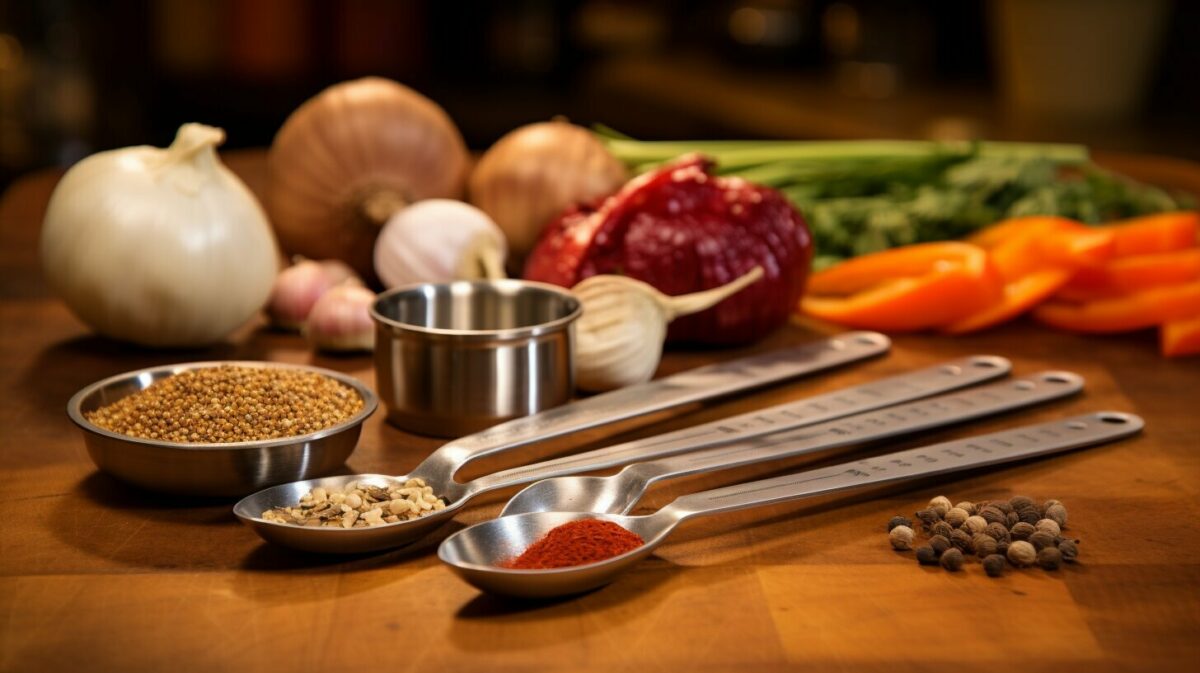
- Use accurate measuring tools: Invest in a set of reliable measuring cups and spoons to ensure accurate measurements. Look for ones made of stainless steel or durable plastic that are clearly labeled with measurements.
- Level dry ingredients: When measuring dry ingredients like flour or sugar, use a straight edge, such as the back of a knife or a spatula, to level off the excess. This ensures that you're adding the exact amount called for in the recipe.
- Spoon wet ingredients: For liquids like oil or honey, use a measuring spoon and fill it to the brim, leveling off the excess with the back of a knife. This helps you achieve precise measurements and prevents overflow.
- Weigh ingredients: For even greater accuracy, consider investing in a kitchen scale. Weighing ingredients in grams or ounces can eliminate any inconsistencies in measuring cups and spoons.
- Follow recipe directions: Pay close attention to the order and method specified in the recipe. Some recipes may require specific techniques, such as folding or creaming, which can impact the final result.
Remember, precision and accuracy are key in creating delicious and consistent dishes.
Cooking is both an art and a science, and precise measurements are the building blocks of culinary mastery." - Chef John Doe
While these tips can help you achieve precise measurements, it's important to remember that cooking is not always an exact science. Taste and personal preference play a crucial role in creating flavorful dishes. So, don't be afraid to adjust seasonings and flavors to suit your taste buds!
Now armed with these kitchen tips and culinary techniques, you can confidently embark on your cooking adventures with precision and accuracy. Whether you're measuring a pinch, a dash, or a smidgen, understanding the importance of precise measurements will elevate your cooking skills and enhance the flavors in your recipes.
| Pinch | Dash | Smidgen |
|---|---|---|
| A small amount, approximately 1/16th of a teaspoon | A slightly larger amount, equivalent to 1/8th of a teaspoon | An even smaller amount, approximately 1/32nd of a teaspoon |
| Used for dry measurements | Used for wet ingredients | Used for adding flavor without precise measurement |
The Culinary World's Perspective on Pinch
When it comes to kitchen measurements, the concept of a pinch holds a special place in the culinary world. As an imprecise unit of measure, a pinch allows chefs and home cooks alike to add just the right amount of flavor to their dishes without relying on precise quantities. It is a versatile measurement that is widely accepted and understood in recipes, giving cooks the freedom to adjust the taste according to their preferences.
In professional kitchens, the use of a pinch in recipes is common practice. Renowned chefs like Gordon Ramsay and Jamie Oliver often refer to pinch measurements, emphasizing the importance of seasoning to taste. As Chef Ramsay once said, "Seasoning is crucial in cooking. It's what makes the difference between good and great. Don't be afraid to use a pinch of salt to elevate your dish."
When it comes to recipe measurements, a pinch offers a level of flexibility that other precise units of measure cannot. It allows for personalization and experimentation, giving cooks the opportunity to enhance their dishes based on their individual palate. This is particularly valuable when it comes to spices and seasonings, where the right amount can make or break a dish.

So, the next time you come across a recipe that calls for a pinch of salt or other spices, embrace the culinary world's perspective on this measurement. Trust your instincts, rely on your taste buds, and use a pinch to create flavorful and delicious dishes that reflect your own unique style.
Additional Resources for Measurement Conversion
Converting measurements in the kitchen can sometimes be a daunting task. Whether you're trying to convert pinches to teaspoons or grams to milliliters, having reliable resources at your fingertips can make the process easier. Here are some useful tools and references to help you with measurement conversion:
- Conversion Tables: Many cooking websites and culinary books offer conversion tables that provide detailed measurements for various ingredients. These tables often include conversions for common measurements such as teaspoons, tablespoons, cups, and ounces. They can be printed out and kept on hand for quick reference.
- Conversion Calculators: Online conversion calculators are another helpful resource. Simply input the measurement you have and the unit you want to convert to, and the calculator will provide you with the converted measurement. There are several conversion calculators available for free on the internet, making it easy to find one that suits your needs.
- Conversion Charts: Similar to conversion tables, conversion charts provide a visual representation of measurements and their equivalents. These charts can be particularly useful when you need to convert between different systems of measurement, such as Imperial and metric. They can be found online or in culinary reference books.
- Reference Guides: Lastly, consider investing in a comprehensive reference guide specifically designed for measurement conversions in the kitchen. These guides often contain a wide range of conversions and may include additional information about ingredient substitutions and culinary techniques.
By utilizing these conversion resources, you can ensure accuracy and consistency in your cooking and baking. So the next time you come across a recipe that calls for a pinch or a specific measurement you're unfamiliar with, don't fret. With the help of conversion tables, calculators, charts, and reference guides, you'll be able to confidently convert measurements and create delicious dishes.
| Resource | Description |
|---|---|
| Conversion Tables | Printable tables with detailed measurements for various ingredients |
| Conversion Calculators | Online tools that provide instant conversions for different units of measurement |
| Conversion Charts | Visual representations of measurements and their equivalents |
| Reference Guides | Comprehensive books or resources specifically focused on measurement conversions |
Having access to these resources will empower you to confidently navigate the world of measurement conversions in the kitchen. So the next time you encounter an unfamiliar measurement in a recipe, you can quickly consult your conversion tables, calculators, charts, or reference guides and convert with ease.
Notable Chefs and Recipe Websites
When it comes to culinary inspiration and delicious recipes, there are several notable chefs and recipe websites that never disappoint. Whether you're a seasoned home cook or just starting your culinary journey, these sources offer a wealth of knowledge, creativity, and mouthwatering dishes to try. Let's take a closer look at some of the top names in the culinary world:
Pinch of Yum
Pinch of Yum is a popular food blog created by Lindsay Ostrom. Known for its beautiful food photography and approachable recipes, this blog features a wide variety of dishes ranging from comforting classics to unique and innovative creations. With a focus on easy-to-follow instructions and wholesome ingredients, Pinch of Yum is a go-to resource for home cooks looking to elevate their meals.
Serious Eats
Serious Eats is a comprehensive food and cooking resource founded by Ed Levine. This website covers a wide range of topics, including recipes, cooking techniques, equipment recommendations, and food science. With in-depth articles, recipe experimentation, and a strong community of readers, Serious Eats is a trusted source for culinary enthusiasts looking to expand their knowledge and culinary skills.
Feeding America
Feeding America is a nonprofit organization dedicated to fighting hunger in the United States. Their website offers a wealth of resources, including recipes that are not only delicious but also budget-friendly. With a focus on utilizing affordable ingredients and reducing food waste, Feeding America's recipes are perfect for those looking to make a positive impact while enjoying flavorful meals.
Deliciously Ella
Deliciously Ella is a plant-based food blog created by Ella Mills. With a focus on nourishing, whole foods, Ella's recipes are designed to be both healthy and delicious. From vibrant salads to hearty soups and indulgent desserts, Deliciously Ella provides a wealth of plant-based recipe inspiration for those looking to incorporate more fruits, vegetables, and whole grains into their diet.
Other notable mentions worth exploring include Love and Lemons, a vegetarian-focused website with stunning photography and creative recipes, and i am a food blog, known for its trendy, modern dishes and innovative flavor combinations. These chefs and websites offer a wealth of inspiration and guidance for anyone looking to expand their culinary repertoire and create delicious meals that will impress family and friends.
In the world of cooking, precision measurements are often necessary to achieve the perfect balance of flavors. But when it comes to a pinch, recipes embrace a more relaxed approach. A pinch is a small unit used to measure salt, spices, and seasonings, and it's the amount that can be taken between the thumb and finger or about 1/2 of a dash.
While a pinch is commonly considered to be 1/16 of a teaspoon, it's important to note that it's not an exact measurement. In fact, a pinch is often used in recipes where precision is not critical, allowing the cook to adjust the amount "to taste." In older texts, a pinch may even be referred to as 1/8 of a teaspoon.
A pinch is typically used for dry measurements, while a dash is reserved for wet ingredients, equivalent to 1/8th of a teaspoon. And if you're wondering about other imprecise measurements, a smidgen is approximately 1/32nd of a teaspoon – another small quantity that adds flavor without requiring precise quantities.
So, the next time you come across a recipe that calls for a pinch, remember that it's an invitation to trust your instincts and palate. Embrace the freedom to adjust the amount according to your taste preferences. After all, cooking is as much about precision as it is about creating a dish that delights your senses. Happy cooking!
Source Links
- https://www.inchcalculator.com/convert/pinch-to-teaspoon-salt/
- https://www.inchcalculator.com/convert/from-pinch/
Frequently asked questions
- How much is a pinch?
A pinch is a small unit of measurement used in cooking to measure salt and other spices. It is equal to the amount of seasoning that can be taken between the thumb and finger or 1/2 of a dash. Generally, a pinch is considered to be equal to 1/16 of a teaspoon.
- How can I convert pinches to teaspoons?
To convert pinches to teaspoons, you can divide the number of pinches by 16. However, it's important to note that a pinch is not an exact measurement and is often used in recipes where precision is not critical. A pinch can be adjusted "to taste."
- What is the difference between a pinch and a dash?
A pinch is used for dry measurements, while a dash is used for wet ingredients and is equivalent to 1/8th of a teaspoon.
- Is a pinch an exact measurement?
No, a pinch is not an exact measurement. It is an imprecise unit used in cooking, and the amount can be adjusted according to personal taste.
- What is a smidgen in cooking?
A smidgen is another imprecise measurement used in cooking, approximately 1/32nd of a teaspoon. Like a pinch, it is used to add flavor to dishes without requiring precise quantities.
- How should I use pinch measurements in recipes?
Pinch measurements can be used in recipes to add seasoning and flavor. They are often specified as "to taste," allowing you to adjust the amount according to your personal preference.
- Can pinch measurements be converted to metric units?
Yes, pinch measurements can be converted to metric units such as grams and milliliters. It is important to consult conversion tables, calculators, or charts for accurate measurements.
- Are there any tips for achieving precise measurements in the kitchen?
Yes, some tips for precise measurements include leveling dry ingredients, spooning and leveling flour, and using accurate measuring tools like spoons and scales.
- How do professional chefs view the use of pinch measurements?
Professional chefs understand and accept the use of pinch measurements in recipes. They value the ability to adjust flavors according to taste and trust their instincts when it comes to seasoning dishes.
- Where can I find additional resources for measurement conversion?
There are various resources available for measurement conversion, including conversion tables, calculators, and charts. These can be found online or in cookbooks and reference guides.
- Are there any notable chefs or recipe websites that provide culinary insights?
Yes, some notable chefs and recipe websites that provide valuable culinary insights include Pinch of Yum, Serious Eats, Feeding America, Deliciously Ella, Love and Lemons, and i am a food.
AprilCook, recipe developer and the heart of Chefwiz. More about April