Caramel Sauce Recipe
Rate this recipeBe the first to rate
 By AprilPublished
 Are you a fan of caramel? The rich, creamy texture and the sweet, buttery taste can make any dessert simply irresistible.
 By AprilPublished
 Are you a fan of caramel? The rich, creamy texture and the sweet, buttery taste can make any dessert simply irresistible.
Choose a small, heavy saucepan, like an enameled cast iron pan. Fill the sink with enough cold water to reach halfway up the sides of the saucepan.
Place 1/4 cup of water and all the sugar in the saucepan and heat over medium-low heat. Stir with a metal spoon until the sugar is relatively smooth. Stop stirring and let the mixture cook undisturbed until small bubbles form at the edges and cover the entire surface, simmering vigorously.
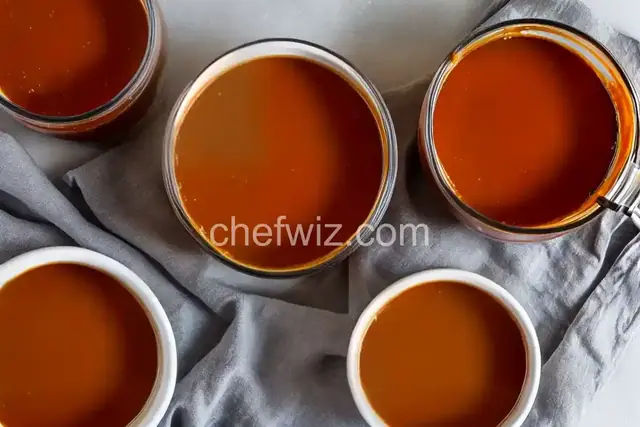
Immediately place the pot into the sink of cold water to stop the cooking. Check the color and consistency of the syrup. Add the remaining 1/2 cup of water and wait for the bubbling to subside. Return the pan to the stove over medium heat and stir until the caramel dissolves into the water. Let cool for 10 minutes before pouring into a small heatproof glass jar. Cool completely.
Remove the thick white membrane from the underside of the ribs. Cut the strips of spareribs between the bones into individual chunks, each containing one bone.
In a mortar and pestle, combine garlic, shallot, brown sugar, and pepper, and pound to a rough paste. Add the caramel sauce, soy sauce, fish sauce, oil, and lemongrass, and mix well. In a large bowl, combine the marinade with the ribs and coat the meat well. Cover the bowl and refrigerate for 24 hours.
6
Are you a fan of caramel? The rich, creamy texture and the sweet, buttery taste can make any dessert simply irresistible. Whether you want to drizzle it over ice cream, use it as a filling for cakes, or simply enjoy it by the spoonful, making your own caramel sauce at home is easier than you think. In this article, we'll guide you through the process of making the perfect caramel sauce, step by step. So get ready to indulge in a homemade treat that will leave your taste buds begging for more!
Before we dive into the recipe, let's take a moment to understand the science behind caramel sauce. Caramelization is a chemical process that occurs when sugar is heated. As the sugar molecules break down, they go through various stages, starting from a clear syrup and gradually turning into a rich, amber-colored sauce. The longer you heat the sugar, the darker and more intense the flavor becomes. It's a delicate dance between heat and timing, but with a little practice, you'll be able to achieve caramel perfection.
When it comes to making caramel sauce, the type of sugar you use can make a difference in the final result. White granulated sugar is the most common choice, but you can also experiment with brown sugar or even a combination of both. Brown sugar will give your caramel sauce a deeper, more complex flavor, while white sugar will result in a classic and smooth caramel. The choice is yours!
Temperature control is crucial when making caramel sauce. The sugar needs to reach a specific temperature to achieve the desired consistency and flavor. Using a candy thermometer is highly recommended, as it allows you to monitor the temperature accurately. For a soft and pourable caramel sauce, aim for a temperature around 225째F (107째C). If you prefer a thicker and chewier sauce, you can let it reach up to 245째F (118째C). Remember, though, that caramel sauce continues to thicken as it cools, so it's best to remove it from the heat slightly before reaching your desired consistency.
Now that you have a basic understanding of the science and ingredients involved, let's dive into the step-by-step process of making caramel sauce:
Before you start heating your sugar, it's important to gather all your ingredients and have them ready. This includes sugar, butter, heavy cream, and a pinch of salt. Having everything prepared in advance will ensure a smooth and stress-free cooking experience.
In a heavy-bottomed saucepan, melt the sugar over medium heat. Stir continuously with a heat-resistant spatula to ensure even heating and prevent the sugar from burning. As the sugar melts, it will begin to clump together, but don't worry - keep stirring, and it will eventually transform into a smooth liquid.
Once the sugar has melted completely and turned into a golden syrup, it's time to add the butter. Be careful, as the mixture will bubble up vigorously when the cold butter hits the hot sugar. Stir gently until the butter has melted and incorporated into the syrup.
Next, slowly pour the heavy cream into the saucepan, while continuing to stir. The mixture will bubble up again, but keep stirring until the cream has fully integrated into the caramel. The addition of cream adds richness and gives the sauce its silky smooth texture.
To balance out the sweetness and enhance the flavors, add a pinch of salt to the caramel sauce. The salt will help bring out the caramel notes and add depth to the overall taste. Give it a final stir, and your homemade caramel sauce is ready to be enjoyed!
Making your own caramel sauce at home is a rewarding and delicious experience. With a few simple ingredients and some patience, you can create a sauce that will elevate your desserts to a whole new level. So why settle for store-bought when you can indulge in the homemade goodness of caramel? Give it a try, and prepare to be amazed!
Absolutely! While white granulated sugar is the most common choice, you can experiment with brown sugar or even a combination of both to achieve different flavors.
If stored in an airtight container in the refrigerator, homemade caramel sauce can last for up to two weeks. Just make sure to give it a gentle reheat before using it.
Yes, you can freeze caramel sauce for up to three months. Thaw it in the refrigerator overnight and give it a good stir before using.
Absolutely! If your caramel sauce has thickened or solidified, simply heat it gently in the microwave or on the stovetop, stirring occasionally until it reaches the desired consistency.
Definitely! You can infuse your caramel sauce with various flavors like vanilla extract, sea salt, or even a splash of bourbon. Get creative and experiment with different combinations!
While you can use low-fat cream, keep in mind that it may result in a slightly thinner sauce. For a richer and creamier texture, it's best to use heavy cream.
Yes, you can make caramel sauce without butter by substituting it with an equal amount of coconut oil or margarine. However, keep in mind that the taste and texture may differ slightly.
Absolutely! Using salted butter will add an extra depth
AprilCook, recipe developer and the heart of Chefwiz. More about April