Vietnamese Stir-Fry
Rate this recipeBe the first to rate
 By AprilPublished
 Are you craving a dish that is packed with vibrant flavors and textures?
 By AprilPublished
 Are you craving a dish that is packed with vibrant flavors and textures?
In a bowl, combine the olive oil, 4 cloves of garlic, ginger, fish sauce, soy sauce, and sesame oil. Whisk them together until well mixed.
Transfer the mixture into a resealable plastic bag.
Add the beef sirloin tip to the bag and make sure it is coated with the marinade.
Squeeze out any excess air from the bag and seal it.
Place the bag in the refrigerator and let the beef marinate for 2 hours.
After 2 hours, remove the beef sirloin tip from the marinade and shake off any excess.
Discard the remaining marinade.
Heat vegetable oil in a large skillet over medium-high heat.
Add the beef to the skillet and cook and stir until it is evenly browned and no longer pink.
Transfer the cooked beef to a plate and set it aside.
Reduce the heat to medium and add more vegetable oil to the skillet if needed.
Stir in 2 cloves of garlic, green onion, and onion.
Cook and stir until the onion has softened and turned translucent, which should take about 5 minutes.
Stir in green beans, beef broth, lime juice, basil, mint, red pepper flakes, and pepper.
Return the beef sirloin to the skillet and toss to combine with the other ingredients.
Remove the skillet from the heat
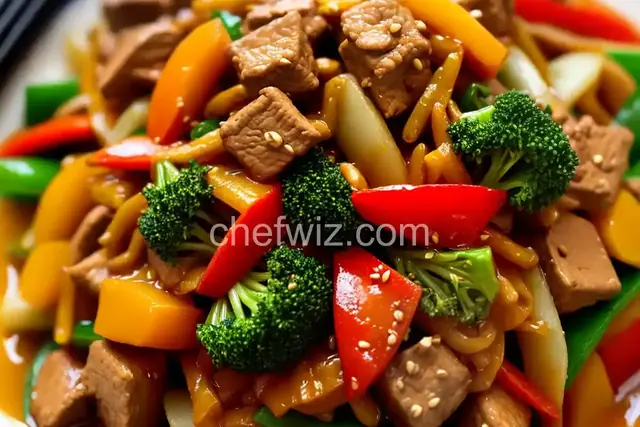
Are you craving a dish that is packed with vibrant flavors and textures? Look no further than Vietnamese stir-fry! This delicious and versatile dish is a staple in Vietnamese cuisine, known for its fresh ingredients, bold seasonings, and quick cooking process. Whether you're a seasoned home cook or just starting your culinary journey, Vietnamese stir-fry is a fantastic addition to your recipe repertoire.
Vietnamese stir-fry is like a symphony of flavors and colors on your plate. It combines a variety of ingredients such as meat, vegetables, herbs, and spices to create a harmonious balance that tantalizes your taste buds. The secret lies in the technique of quick cooking over high heat, which preserves the natural crunch of the vegetables while infusing them with the rich, savory flavors of the sauce.
Similar to a painter skillfully blending different hues on a canvas, Vietnamese stir-fry allows you to experiment with a wide range of ingredients to create a dish that suits your taste preferences. From succulent shrimp and tender beef to crunchy snap peas and vibrant bell peppers, the possibilities are endless. The key is to choose ingredients that complement each other in terms of texture and flavor.
Marinating the meat or seafood in a flavorful sauce is a crucial step in Vietnamese stir-fry. The marinade not only adds depth of flavor but also helps tenderize the protein. Traditional marinades often consist of a combination of soy sauce, fish sauce, garlic, ginger, and sugar. This creates a balance of salty, sweet, and savory notes that elevate the overall taste of the dish.
Aromatics such as garlic, shallots, and ginger are the building blocks of flavor in Vietnamese cuisine. These ingredients are often finely minced or grated to release their aromatic oils, infusing the stir-fry with their distinct fragrance. Just like the familiar scent that fills the air when you walk past a bakery, the tantalizing aroma of the stir-fry cooking in your kitchen will have everyone eagerly awaiting their meal.
Vietnamese stir-fry is a delightful culinary experience that brings together the freshness of ingredients, the art of quick cooking, and the explosion of flavors. Whether you're looking for a quick weeknight meal or a dish to impress your guests, Vietnamese stir-fry is sure to satisfy. So grab your wok, chop up some colorful vegetables, and embark on a culinary adventure that will transport your taste buds to the vibrant streets of Vietnam.
You can use a variety of meats such as chicken, beef, pork, or shrimp. Thinly sliced or bite-sized pieces work best for quick and even cooking.
Absolutely! You can substitute tofu or tempeh for the protein and load up on colorful vegetables like broccoli, carrots, and mushrooms.
Yes, vegetables like bell peppers, snap peas, bok choy, and bean sprouts are commonly used. Feel free to experiment with different veggies to suit your taste.
The key is to taste and adjust as you go. Start with a small amount of sauce, then gradually add more if needed. Don't be afraid to play with the ratios of sweet, salty, and tangy ingredients.
While it's best to enjoy Vietnamese stir-fry fresh, you can prepare some of the ingredients in advance to save time. Cut the meat and vegetables ahead of time and store them separately in the refrigerator.
One important technique is to cook the ingredients in batches to avoid overcrowding the pan, which can result in steaming rather than stir-frying. This ensures that each ingredient gets evenly cooked and retains its crunch.
Some popular sauces include soy sauce, oyster sauce, hoisin sauce, and fish sauce. You can also add a squeeze of lime or a sprinkle of chili flakes to add a tangy or spicy kick.
Absolutely! Vietnamese stir-fry pairs perfectly with steamed rice or rice noodles. The noodles soak up the flavorful sauce, while the rice provides a comforting base for the vibrant stir-fry.
AprilCook, recipe developer and the heart of Chefwiz. More about April