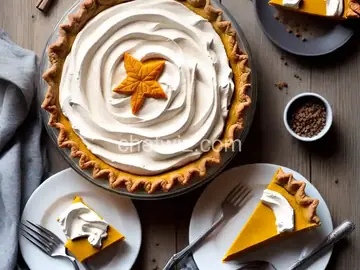
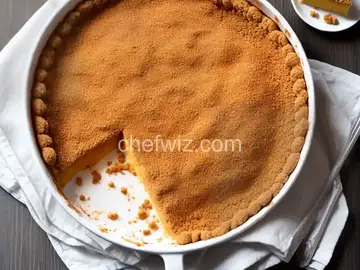
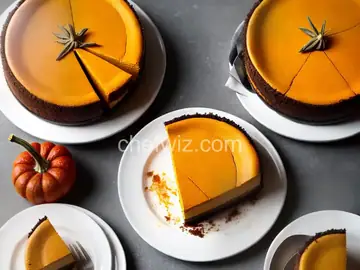
Traditional Pumpkin Pie
Rate this recipeBe the first to rate
 By AprilPublished
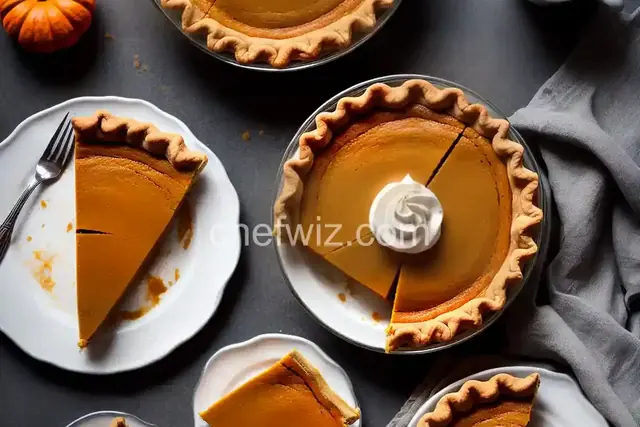
Who doesn't love the rich, creamy goodness of a traditional pumpkin pie?
 By AprilPublished
Who doesn't love the rich, creamy goodness of a traditional pumpkin pie?
Place the flour, sugar, cinnamon, and salt in the bowl of a food processor fitted with the steel blade.
Process the mixture until well combined.
Add the frozen butter to the food processor and process until it resembles large peas, which should take about 5 seconds.
Next, add the frozen shortening to the food processor and process for 3 seconds.
In a separate measuring cup, combine the egg and water.
Add the egg mixture to the food processor and process for 5 seconds.
Transfer the dough onto a counter and gently incorporate the remaining flour without overworking the dough.
Allow the dough to rest for 2 hours.
In a small bowl, combine the sugar, salt, and spices.
In a large bowl, beat the eggs and then stir in the pumpkin and evaporated milk.
Pour the mixture into a pie shell.
Preheat the oven to 425 degrees and bake the pie for 15 minutes.
Reduce the oven temperature to 350 degrees and continue baking for 45 minutes or until the pie is firm.
Who doesn't love the rich, creamy goodness of a traditional pumpkin pie? It's a classic dessert that has become synonymous with autumn and Thanksgiving. But have you ever wondered about the history behind this beloved treat? Or perhaps you're curious about the best way to make it yourself? In this article, we'll dive into the world of traditional pumpkin pie, exploring its origins, sharing tips for making the perfect pie, and even debunking some common myths along the way.
Pumpkins have been a staple in North American cuisine for centuries, dating back to Native American tribes who used them in a variety of dishes. It wasn't until the 17th century, however, that the pumpkin pie as we know it today began to take shape. European settlers in America adapted their traditional custard tarts to include pumpkin, creating a delicious hybrid that would soon become a Thanksgiving tradition.
Over the years, pumpkin pie has evolved, with different regions and families adding their own unique twists. Some prefer a spicier filling, while others opt for a lighter, creamier texture. But no matter the variation, the essence of pumpkin pie remains the same: a delectable blend of pumpkin, warm spices, and a flaky crust.
Now that we know a bit about the history of pumpkin pie, let's discuss how to make one that will have your friends and family begging for seconds. Here are some essential tips to ensure your pumpkin pie turns out perfectly:
Not all pumpkins are created equal when it comes to making pie. Look for small, sweet varieties such as Sugar Pie or Cinderella pumpkins. These pumpkins have a denser, smoother flesh that lends itself well to baking.
While canned pumpkin puree is a convenient option, roasting your own pumpkin can take your pie to the next level. Simply cut a small pumpkin in half, scoop out the seeds, and roast it in the oven until the flesh is tender. Then, puree the roasted pumpkin and use it in your pie filling.
The warm spices are what give pumpkin pie its signature flavor. Don't be afraid to be generous with cinnamon, nutmeg, ginger, and cloves. These spices not only add depth to the pie but also enhance the aroma.
To prevent a soggy bottom, pre-bake your crust before adding the filling. This will ensure a crisp, flaky crust that can hold up to the creamy pumpkin filling.
Despite its popularity, there are a few myths and misconceptions surrounding pumpkin pie. Let's take a moment to debunk some of these:
While pumpkin pie is undoubtedly a staple of Thanksgiving dinner, there's no reason why you can't enjoy it year-round. It's a versatile dessert that can be enjoyed on any occasion.
While using fresh pumpkin can elevate the flavor of your pie, canned pumpkin puree is a perfectly acceptable alternative. It's convenient and produces consistent results.
Contrary to popular belief, making a pumpkin pie from scratch is not as challenging as it may seem. With the right recipe and a few tips, anyone can create a delicious pie that will impress their guests.
Traditional pumpkin pie is a beloved dessert that has stood the test of time. Its rich history, paired with its comforting flavors, makes it a staple on Thanksgiving tables across America. Whether you're a seasoned baker or just starting out, making your own pumpkin pie is a rewarding experience that will delight both you and your loved ones. So, why not give it a try this holiday season?
Absolutely! Pumpkin pie spice is a convenient blend of the most commonly used spices in pumpkin pie, and it can save you time and effort in measuring out individual spices.
Yes, you can! Sweet potatoes make an excellent alternative to pumpkin in a pie. They have a similar texture and flavor profile, resulting in a delicious pie with a unique twist.
Pumpkin pie can be stored in the refrigerator for up to 4 days. However, its quality may start to decline after the first couple of days.
Yes, you can freeze pumpkin pie for up to 2 months. Make sure to wrap it tightly in plastic wrap or aluminum foil to prevent freezer burn.
Absolutely! There are plenty of delicious vegan pumpkin pie recipes available that use plant-based alternatives for eggs and dairy. You won't even notice the difference!
Of course! If you're short on time or prefer the convenience, a store-bought crust will work just fine. Just make sure to follow the instructions for pre-baking, if necessary.
Absolutely! Whipped cream is a classic topping for pumpkin pie, but you can get creative and add a dollop of ice cream, a sprinkle of cinnamon, or even some crushed pecans for extra crunch.
Yes, you can experiment with different types of pie crusts, such as graham cracker or cookie crusts. Just keep in mind that the texture and flavor may vary slightly.
AprilCook, recipe developer and the heart of Chefwiz. More about April