Syrian Bread
Rate this recipeBe the first to rate
 By AprilPublished
 When it comes to bread, every culture has its own unique and delicious variety.
 By AprilPublished
 When it comes to bread, every culture has its own unique and delicious variety.
Place the ingredients in the bread machine pan according to the manufacturer's instructions.
Choose the Dough cycle and press Start.
When the Dough cycle is almost finished, preheat the oven to 475 degrees F (245 degrees C).
Turn the dough out onto a floured surface.
Divide the dough into eight equal pieces and shape them into rounds.
Cover the rounds with a damp cloth and allow them to rest.
Roll out the dough into thin, flat circles approximately 8 inches in diameter.
Cook two circles at a time on preheated baking sheets or a baking stone until they become puffed up and golden brown, which should take about 5 minutes.
Repeat the cooking process for the remaining loaves.
If you don't have a bread machine, combine 1/2 cup lukewarm water and 1/2 teaspoon sugar in a mixing bowl.
Stir in the yeast and set it aside until the yeast becomes creamy and bubbly, usually around 5 minutes.
Add the remaining water, oil, salt, and flour to the bowl.
Mix on low speed using the dough hook until the gluten is fully developed, which usually takes about 10 minutes.
Alternatively, you can knead the dough by hand on a floured surface until it becomes springy and feels silky to the touch, which typically takes 10 to 15 minutes.
15.
When it comes to bread, every culture has its own unique and delicious variety. From the soft and fluffy baguettes of France to the crispy and chewy naan of India, bread is a staple food that brings people together. In the Middle East, one bread that stands out is Syrian bread. This traditional flatbread not only satisfies hunger but also tells a story of history, culture, and community.
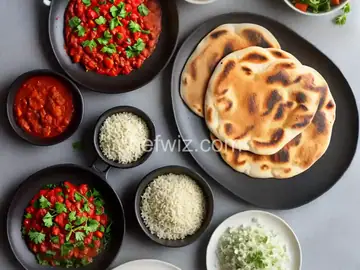
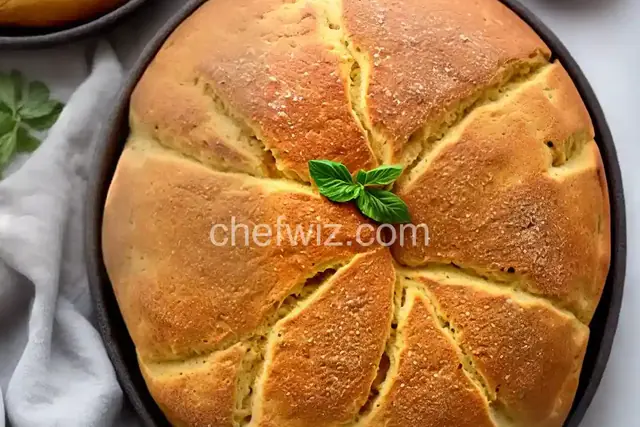
Making Syrian bread is a labor of love. It starts with a simple dough of flour, water, yeast, and salt. The dough is then kneaded until it becomes smooth and elastic. After a period of rising, the dough is divided into small balls and left to rest. Once rested, each ball is rolled out into a thin, round shape and baked in a hot oven. The result is a golden, slightly blistered bread with a soft interior and a satisfying chew.
One of the things that sets Syrian bread apart is its versatility. It can be enjoyed in many different ways, making it a staple in Middle Eastern cuisine. It can be used as a wrap for kebabs, falafel, or shawarma. It can be torn into pieces and dipped into hummus or baba ganoush. It can even be used as a base for pizza, topped with flavorful ingredients like za'atar and olives. The possibilities are endless, and each bite is a delightful journey for the taste buds.
In Syria, bread is more than just a food. It is a symbol of community and togetherness. In many neighborhoods, there are communal ovens where families bring their dough to be baked. This creates a sense of camaraderie as people gather around the oven, sharing stories and laughter while waiting for their bread to be ready. The aroma of freshly baked bread fills the air, bringing comfort and warmth to all who experience it.
Syrian bread is more than just a type of bread. It is a symbol of tradition, community, and the art of breadmaking. Its versatility, social aspect, and delicious taste make it a favorite among many. So next time you take a bite of Syrian bread, remember the rich history and culture that goes into every mouthwatering piece.
No, Syrian bread is made from wheat flour and contains gluten.
Absolutely! Syrian bread can be made at home with just a few simple ingredients and some practice.
Syrian bread is best enjoyed fresh, but it can be stored in an airtight container for up to two days.
Yes, Syrian bread is vegan-friendly as it does not contain any animal products.
Yes, Syrian bread can be frozen for later use. Just make sure to wrap it tightly in plastic wrap or aluminum foil.
While both Syrian bread and pita bread are flatbreads, Syrian bread is typically larger and has a chewier texture.
Syrian bread can be found in Middle Eastern grocery stores or bakeries. You can also try making it yourself at home!
Yes, there are variations of Syrian bread that incorporate different ingredients like herbs, spices, or even cheese.
AprilCook, recipe developer and the heart of Chefwiz. More about April