Bazlama - Turkish Flat Bread
Rate this recipeBe the first to rate
 By AprilPublished
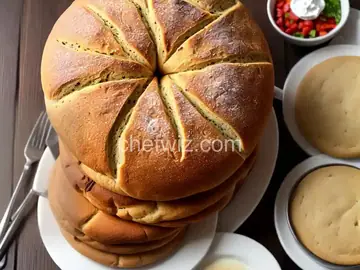
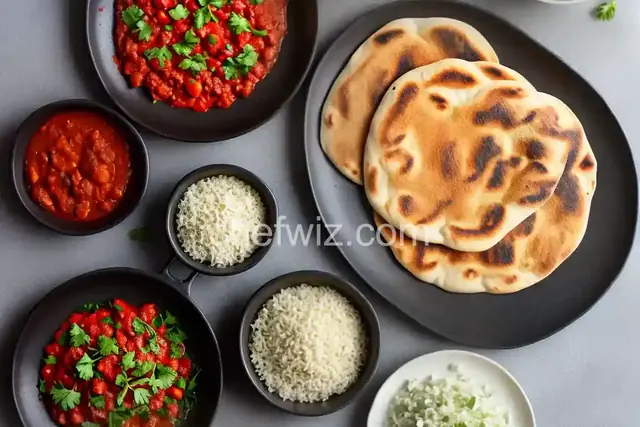
 Have you ever tasted the warm, fluffy goodness of Bazlama? If not, you're in for a treat!
 By AprilPublished
 Have you ever tasted the warm, fluffy goodness of Bazlama? If not, you're in for a treat!
Begin by dissolving the yeast, sugar, and salt in warm water.
In a separate bowl, combine the water and yogurt with the flour and mix until well combined. The resulting dough should be soft, but not sticky.
Transfer the dough onto a lightly floured surface and shape it into a ball.
Cover the dough with a damp cloth and let it rise at room temperature for 3 hours.
After the dough has risen, divide it into four equal portions.
Take each portion and shape it into a round, flattening it slightly as you would with pizza dough.
Cover the rounds with a damp cloth and allow them to rest for 15 minutes.
Preheat a cast iron skillet or griddle over medium-high heat.
Place one round of dough in the skillet and cook it until brown spots appear on the bottom, approximately 1 minute.
Flip the bread and cook for an additional minute.
Remove the bread from the skillet and wrap it in a clean kitchen towel to keep it warm.
Repeat the cooking process with the remaining dough rounds.
Any leftover flatbreads can be stored in an airtight container.
If Greek-style yogurt (suzme) is unavailable, you can use regular yogurt instead. In this case, reduce the water in the recipe to 1 1/4 cups.
Have you ever tasted the warm, fluffy goodness of Bazlama? If not, you're in for a treat! Bazlama is a traditional Turkish flatbread that is incredibly versatile and perfect for any meal of the day. Just imagine sinking your teeth into a soft and chewy piece of bread, slightly charred on the outside and bursting with flavor on the inside. It's like a warm hug for your taste buds!
Making Bazlama is an art form that has been passed down through generations in Turkish households. It requires skill, patience, and a deep understanding of the ingredients and techniques involved. But don't worry, you don't have to be a master baker to enjoy this delicious bread. With a few simple steps, you can recreate the magic of Bazlama in your own kitchen.
The first step in making Bazlama is gathering all the necessary ingredients. You'll need flour, yeast, salt, water, and a touch of olive oil. The beauty of Bazlama lies in its simplicity, so don't be tempted to add too many flavors or spices. Let the natural taste of the bread shine through.
Once you have your ingredients ready, it's time to mix and knead the dough. Start by combining the flour, yeast, and salt in a large bowl. Slowly add the water and olive oil, and mix everything together until a soft and slightly sticky dough forms. Then, transfer the dough to a floured surface and knead it for a few minutes until it becomes smooth and elastic.
After kneading the dough, it's important to let it rest and rise. Place the dough in a lightly oiled bowl, cover it with a clean kitchen towel, and let it sit in a warm and draft-free area for about an hour. This allows the yeast to work its magic and gives the bread its light and airy texture.
Once the dough has risen, it's time to shape and cook the bread. Divide the dough into small balls and roll them out into round, flat shapes. Heat a skillet or griddle over medium-high heat and cook the bread for a few minutes on each side, until it's golden brown and slightly charred. The key is to get that beautiful balance between a soft interior and a crispy exterior.
Now that you have a batch of freshly baked Bazlama, it's time to explore all the delicious ways to enjoy it. You can use it as a base for sandwiches, stuff it with your favorite fillings, or simply tear it apart and dip it into savory dips and spreads. The possibilities are endless!
Start your day right with a Bazlama breakfast sandwich. Fill it with scrambled eggs, cheese, and a slice of juicy tomato. It's a hearty and satisfying meal that will keep you energized throughout the morning.
For a quick and delicious lunch, use Bazlama as a wrap for your favorite fillings. Whether it's grilled chicken, roasted veggies, or a medley of fresh greens, the soft and chewy texture of the bread will elevate any filling.
Pair Bazlama with a hearty stew or curry for a comforting and filling dinner. The bread will soak up all the flavorful juices, creating a truly satisfying meal. Don't forget to use it to mop up every last bit of sauce!
A1: Absolutely! Bazlama freezes well, so you can make a big batch and store it for later. Just make sure to wrap it tightly in plastic wrap or place it in a sealed bag before freezing.
A2: While the traditional recipe calls for wheat flour, you can experiment with gluten-free alternatives like almond flour or rice flour. Keep in mind that the texture and taste may vary.
A3: Bazlama is best enjoyed fresh, but it can stay soft and delicious for up to 2 days when stored in an airtight container at room temperature.
A4: Absolutely! Feel free to add herbs like rosemary or spices like cumin to the dough for an extra burst of flavor. Get creative and make it your own!
A5: Yes, you can! Bazlama makes a fantastic pizza crust. Just top it with your favorite sauce, cheese, and toppings, and bake it in a hot oven until the cheese is melted and bubbly.
A6: While it's possible to use a bread machine for the dough, shaping and cooking Bazlama is best done by hand. The process is part of the joy of making this traditional bread.
A7: Absolutely! Feel free to adjust the size of the bread to your liking. Just keep in mind that the cooking time may vary depending on the size.
A8: Yes, you can use other oils like vegetable oil or sunflower oil, but keep in mind that the flavor may be slightly different. Olive oil adds a unique taste to the bread.
In conclusion, Bazlama is a delightful Turkish flatbread that is easy to make and incredibly versatile. With its soft and chewy texture, it's perfect for any meal of the day. Whether you enjoy it as a breakfast sandwich, a lunchtime wrap, or a dinner delicacy, Bazlama is sure to satisfy your taste buds. So why not give it a try and experience the magic of this traditional bread for yourself?
AprilCook, recipe developer and the heart of Chefwiz. More about April