Lebanese Mountain Bread
Rate this recipeBe the first to rate
 By AprilPublished
Have you ever tried Lebanese Mountain Bread? It's a delicious and versatile bread that can be enjoyed with a variety of dishes.
 By AprilPublished
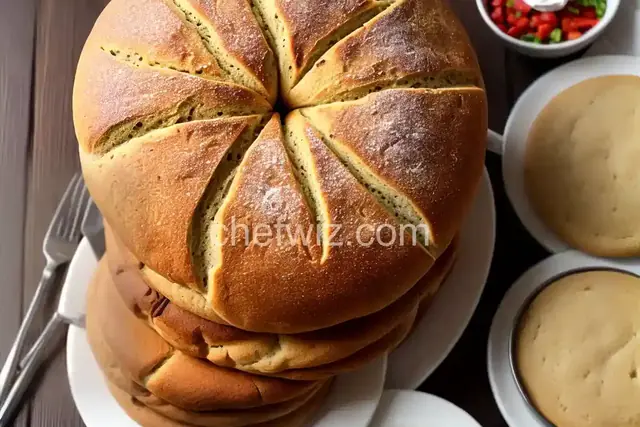
Have you ever tried Lebanese Mountain Bread? It's a delicious and versatile bread that can be enjoyed with a variety of dishes.
In a mixing bowl, combine 1/2 cup of flour, yeast, and sugar.
Pour warm water into the bowl and whisk the ingredients together for 2 to 3 minutes.
Cover the bowl and let the mixture sit for 30 to 60 minutes, until it becomes bubbly.
Drizzle olive oil into the bowl and add salt and the remaining 1 cup of flour.
Mix the ingredients until they form a sticky dough ball that pulls away from the sides of the bowl. If the mixture is too wet, add a little more flour.
Lightly flour a work surface and knead the dough for about 2 minutes, until it becomes soft, supple, and slightly elastic.
Pour a few drops of olive oil into a separate bowl and transfer the dough ball into it, making sure the surface of the dough is coated with oil.
Cover the bowl and place it in a warm spot. Allow the dough to rise until it doubles in size, which takes about 60 to 90 minutes.
Transfer the dough to a work surface and knead it for about 1 minute to remove any air bubbles.
Place the dough in a resealable plastic bag and refrigerate for 8 hours or overnight.
Lightly flour a work surface. Ensure you use enough flour to prevent the dough from sticking.
Take a small piece of dough, slightly smaller than
Have you ever tried Lebanese Mountain Bread? It's a delicious and versatile bread that can be enjoyed with a variety of dishes. In this article, we'll explore the origins of this bread, its unique characteristics, and how you can incorporate it into your meals. So, let's dive in and discover the wonderful world of Lebanese Mountain Bread!
Lebanese Mountain Bread, also known as Markook or Shrak, has a rich history that dates back centuries. It originated in the mountainous regions of Lebanon, where the local people needed a bread that could withstand the harsh climate and long journeys. The bread was traditionally made by stretching the dough incredibly thin, resulting in a large, thin sheet that could be easily rolled or folded.
What sets Lebanese Mountain Bread apart from other types of bread? Its unique characteristics make it a favorite among bread enthusiasts. The bread is incredibly thin and flexible, almost like a soft tortilla. It has a slightly chewy texture and a slightly nutty flavor, making it a perfect companion to a wide range of fillings and dips.
Lebanese Mountain Bread's versatility is truly remarkable. You can use it as a wrap for sandwiches, kebabs, or falafel. It also makes a fantastic base for pizzas and quesadillas. The possibilities are endless! The thinness of the bread allows the flavors of the fillings to shine through, creating a harmonious and delicious combination of textures and tastes.
Now that you know about the origins and unique characteristics of Lebanese Mountain Bread, it's time to explore how you can incorporate it into your meals. Let your creativity run wild and experiment with different fillings and toppings. Whether you prefer a classic combination like hummus and grilled vegetables or something more adventurous like spicy chicken and avocado, Lebanese Mountain Bread will elevate your meal to new heights.
Working with Lebanese Mountain Bread requires a bit of finesse. Here are a few tips to ensure you get the best results:
You might be wondering where you can find Lebanese Mountain Bread. Thankfully, it has gained popularity in recent years, and you can often find it in Middle Eastern grocery stores or specialty food markets. If you can't find it locally, don't worry! You can also make it at home using simple ingredients like flour, water, salt, and olive oil.
Lebanese Mountain Bread is a delightful bread that adds a unique touch to any meal. Its thin and flexible nature, combined with its delicious flavor, make it a versatile and exciting addition to your culinary repertoire. So, why not give it a try and embark on a culinary journey through the mountains of Lebanon?
No, Lebanese Mountain Bread is not gluten-free as it is traditionally made with wheat flour.
Yes, you can freeze Lebanese Mountain Bread. Just make sure to wrap it tightly in plastic wrap or aluminum foil before placing it in the freezer.
When stored properly, Lebanese Mountain Bread can last for up to a week. Just make sure to keep it in a cool, dry place.
Absolutely! Lebanese Mountain Bread can be used as a base for sweet treats like Nutella and banana wraps or fruit-filled turnovers.
No, you don't need any special equipment to make Lebanese Mountain Bread. A rolling pin and a hot skillet are all you need!
Yes, Lebanese Mountain Bread can be a great substitute for tortillas in recipes like tacos or enchiladas.
Traditional fillings for Lebanese Mountain Bread include falafel, tabbouleh, hummus, and grilled meats or vegetables.
Yes, you can easily make Lebanese Mountain Bread vegan by omitting any animal-based ingredients and using plant-based alternatives.
AprilCook, recipe developer and the heart of Chefwiz. More about April