Hungarian Beigli
Rate this recipeBe the first to rate
 By AprilPublished
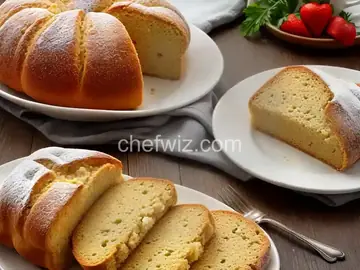
 Have you ever tasted a Hungarian Beigli? If not, you're missing out on one of Eastern Europe's most delectable treats.
 By AprilPublished
 Have you ever tasted a Hungarian Beigli? If not, you're missing out on one of Eastern Europe's most delectable treats.
In a food processor, combine 5 tablespoons of sugar, butter, egg yolks, and sour cream. Process until well mixed.
Add flour and yeast to the food processor and process until the dough comes together. Adjust the consistency by adding more flour if it's too wet or milk if it's too dry. The dough should be moist and easy to work with.
Shape the dough into a ball and cover it with a damp towel. Set it aside.
In a saucepan, heat milk and 1 cup of sugar until the sugar dissolves and the mixture becomes syrupy. Stir in chopped walnuts, lemon zest, and raisins. Let the filling cool.
Divide the dough into three pieces. Roll out one piece on a floured surface to form a 1/4-inch thick rectangle. Keep the remaining dough covered.
Spread 1/3 of the walnut filling onto the rolled-out dough, leaving about an inch of dough at each edge. Roll the dough up into a log and press to seal. Place the log, seam-side down, on a baking sheet lined with parchment paper. Repeat with the remaining dough and filling.
In a small bowl, beat an egg with a tablespoon of water to make an egg wash. Brush the loaves with the egg wash and let them rest for 1 hour in a warm place.
After the dough has risen, brush it again with the egg wash and
Have you ever tasted a Hungarian Beigli? If not, you're missing out on one of Eastern Europe's most delectable treats. This sweet pastry, filled with rich flavors, is a staple during festive occasions in Hungary. In this article, we will explore the history, flavors, and cultural significance of Beigli, as well as answer some frequently asked questions about this mouthwatering delight.
Beigli, also known as Bejgli, has a long history dating back to the 19th century in Hungary. It is believed to have originated from German-speaking regions, where it was traditionally enjoyed during Christmas and Easter. Over time, Beigli became an integral part of Hungarian cuisine, with each region adding its own unique twist to the recipe.
One of the most enticing aspects of Beigli is the wide variety of fillings available. The most popular fillings include poppy seed and walnut, although apricot and chestnut fillings are also cherished by many. Each filling has its own distinct flavor profile, from the nutty richness of walnuts to the earthy sweetness of poppy seeds.
What sets Beigli apart from other pastries is its perfect balance of sweetness and texture. The dough is made with butter, flour, sugar, and eggs, resulting in a rich and slightly sweet base. The filling, whether it be poppy seed or walnut, adds a delightful crunch and bursts of flavor with every bite.
In Hungarian culture, Beigli is more than just a pastry - it's a symbol of celebration and togetherness. It is traditionally prepared for special occasions such as Christmas, Easter, weddings, and birthdays. The process of making Beigli is often a family affair, with generations coming together to knead the dough, roll it out, and carefully spread the filling.
Hungarian Beigli is a pastry that captivates both the taste buds and the heart. Its rich history, diverse flavors, and cultural significance make it a beloved treat in Hungary and beyond. Whether you choose to make it yourself or savor it from a bakery, be sure to indulge in a slice of this delightful pastry and experience the magic of Beigli for yourself!
Absolutely! Beigli freezes exceptionally well. Once baked, allow it to cool completely, then wrap it tightly in plastic wrap and place it in the freezer. When you're ready to enjoy it, simply thaw at room temperature for a few hours or warm it in the oven for a few minutes.
When stored properly, Beigli can stay fresh for up to a week. Keep it in an airtight container at room temperature to maintain its texture and flavor. However, it's unlikely to last that long as it tends to disappear quickly due to its irresistible taste!
Of course! While the traditional fillings for Beigli include nuts, you can easily adapt the recipe to suit your preferences. Swap the nut fillings for fruit preserves, chocolate, or even a creamy cheese filling. The possibilities are endless!
While Beigli requires some time and effort, it is not overly difficult to make. The key is to take your time and follow the recipe closely. With a little practice, you'll become a Beigli expert in no time!
Absolutely! With a few simple substitutions, you can make a delicious vegan version of Beigli. Replace butter with plant-based margarine, eggs with flaxseed or applesauce, and use almond or soy milk instead of dairy milk. The result is a vegan Beigli that is just as flavorful and satisfying.
No, Beigli can be enjoyed all year round! While it is traditionally associated with holidays, there's no reason why you can't indulge in this delectable pastry whenever you're in the mood for something sweet and satisfying.
Absolutely! Get creative with your fillings by adding a touch of cinnamon, vanilla extract, or even a sprinkle of cocoa powder. These additional ingredients can elevate the flavor profile of your Beigli and add a delightful twist.
If you're short on time or prefer not to bake, you may be able to find Beigli at specialty Hungarian bakeries or online. While homemade Beigli is always a treat, store-bought versions can still offer a taste of this beloved Hungarian pastry.
AprilCook, recipe developer and the heart of Chefwiz. More about April