Broa (Portuguese Cornbread)
Rate this recipeBe the first to rate
 By AprilPublished
 Have you ever tasted a slice of warm, crusty bread that transports you to a quaint village in Portugal?
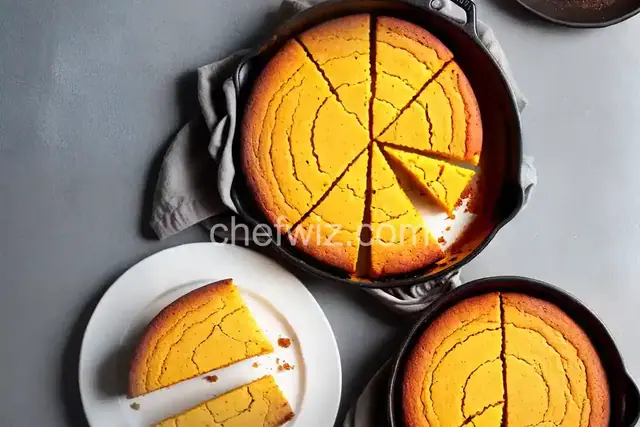 By AprilPublished
 Have you ever tasted a slice of warm, crusty bread that transports you to a quaint village in Portugal?
Heat the milk in a small saucepan on medium heat until it starts to bubble.
Whisk in the butter and 2 teaspoons of sugar.
Add the cornmeal and whisk until the mixture thickens and becomes like a sauce.
Remove from heat and let it cool down to room temperature.
In the meantime, sprinkle yeast and a pinch of sugar over warm water.
Stir and let it sit until the yeast softens and forms a creamy foam, approximately 5 minutes.
In a stand mixer fitted with the dough hook, combine the flour and salt.
Add the yeast mixture and mix on low speed.
Slowly pour in the milk mixture and knead until a slightly dense dough forms.
Remove the dough from the bowl and shape it into a ball.
Grease the sides of a bowl or pot with olive oil and place the dough inside.
Cover the bowl with plastic wrap and let the dough rise in a warm place until it doubles in size, approximately 2 hours.
Punch the dough down and divide it into 2 equal portions.
Shape each portion into a boule or a flat-bottomed ball.
Place the boules on a baking sheet lined with a silicone mat.
Sprinkle the tops of the boules with flour and cover them again with plastic wrap.
Let the boules rise until they become puffy, approximately
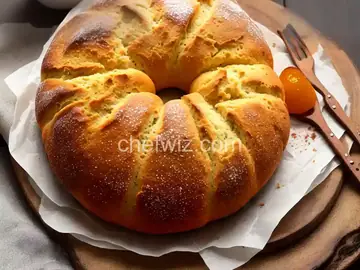
Have you ever tasted a slice of warm, crusty bread that transports you to a quaint village in Portugal? That's broa, the traditional Portuguese cornbread that has been a staple in Iberian cuisine for centuries. With its golden exterior and hearty texture, broa is more than just bread - it's a cultural experience.
Broa traces its roots back to the medieval era, where corn became a vital crop in Portugal. The country's rich soil and warm climate were conducive to growing maize, which soon became a dietary staple. The Portuguese farmers, ingenious as ever, turned this humble grain into a delicious bread that sustained them through the years.
Unlike its wheat-based counterparts, broa is made primarily from cornmeal, giving it a distinctive flavor and texture. The combination of cornmeal, flour, yeast, and water creates a dough that is both dense and chewy, with a slightly sweet taste.
Making broa is a labor of love, requiring patience and skill. The dough is mixed and left to rise, allowing the yeast to work its magic. Once risen, the dough is shaped into round loaves and scored with a cross. These cuts not only enhance the bread's appearance but also help it bake evenly.
The loaves are then baked in a hot oven, allowing the crust to form and the bread to develop its characteristic aroma. The result is a loaf that is crusty on the outside and soft on the inside, perfect for savoring on its own or accompanying a hearty meal.
Broa's versatility is one of its greatest strengths. Whether enjoyed fresh out of the oven or toasted to perfection, this bread complements a wide range of flavors and dishes. Its robust texture makes it an excellent choice for dipping into soups and stews, soaking up their rich flavors.
Broa also pairs beautifully with cheeses and cured meats, adding a delightful crunch to charcuterie boards. And let's not forget about the iconic Portuguese dish, caldo verde - a traditional soup made with kale and potatoes. Broa is the perfect accompaniment, adding a satisfying element to this beloved comfort food.
In an age of convenience and mass production, it's heartening to see that the art of making broa has not been lost. Traditional bakeries in Portugal continue to churn out this beloved bread, ensuring that future generations can savor its unique taste and experience a piece of Portuguese culture.
Broa is more than just a bread; it's a symbol of tradition, resilience, and the power of simplicity. With each bite, you're transported to the rolling hills of Portugal, where life moves at a slower pace and culinary heritage is cherished.
Broa is more than just bread; it's a piece of Portuguese history and tradition. Its unique flavor, texture, and versatility make it a beloved staple in Portuguese cuisine. Whether you're enjoying it on its own, dipped in soup, or paired with cheese, broa is sure to transport your taste buds to the sunny shores of Portugal.
No, broa is not gluten-free. It is made with a combination of cornmeal and flour, which contains gluten.
Yes, you can freeze broa. It is best to slice it before freezing, so you can thaw individual portions as needed.
Broa stays fresh for about 2-3 days when stored in an airtight container. After that, it may start to dry out.
While traditional broa recipes call for yeast, there are variations that use baking powder instead for a quicker rise.
To keep broa fresh for longer, store it in a cool, dry place in an airtight container or wrap it tightly in plastic wrap.
Due to its dense texture, broa is not typically used for sandwiches. However, you can slice it and use it as a base for open-faced sandwiches or bruschetta.
While both broa and Mexican cornbread contain cornmeal, they have distinct differences in flavor, texture, and ingredients. Mexican cornbread often includes additional ingredients like cheese, corn kernels, and spices.
Broa can be found in Portuguese specialty stores or bakeries in some countries. Alternatively, you can try making it at home using authentic broa recipes.
AprilCook, recipe developer and the heart of Chefwiz. More about April