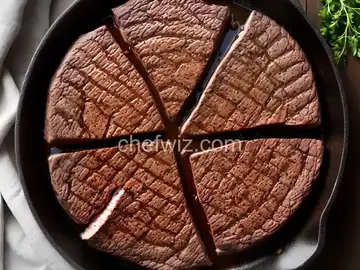
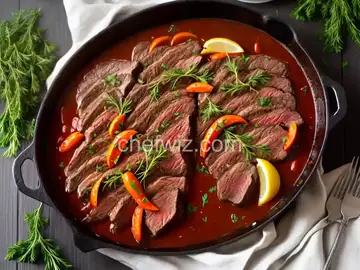
Seared Cast Iron Steaks
Rate this recipeBe the first to rate
 By AprilPublished
 Who doesn't love the sizzling sound of a perfectly seared steak?
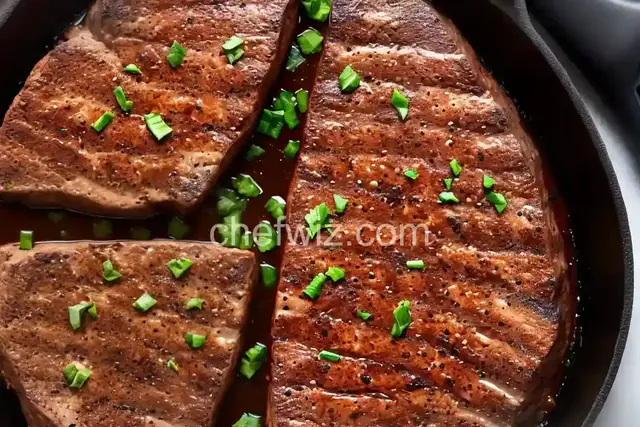 By AprilPublished
 Who doesn't love the sizzling sound of a perfectly seared steak?
Preheat the oven to 450 degrees F (230 degrees C).
Season the steaks with garlic powder, salt, and pepper.
Turn on your exhaust fan.
Heat oil in a large cast iron skillet over medium-high heat until it starts to smoke (around 4 to 6 minutes).
Sear the steaks in the hot oil for about 3 minutes.
Flip the steaks over and immediately transfer the skillet to the preheated oven.
Cook the steaks in the oven until they are starting to firm up and are hot and slightly pink in the center (about 6 minutes).
Use an instant-read thermometer to check the center temperature, which should read 140 degrees F (60 degrees C).
Remove the skillet from the oven and let the steaks sit for 1 to 2 minutes before slicing and serving.
Cook's Note: It is recommended to use a 1-inch thick cut steak for this recipe.
Who doesn't love the sizzling sound of a perfectly seared steak? The mouth-watering aroma, the juicy tenderness, and the savory flavor make it an irresistible choice for meat lovers. And when it comes to searing a steak, nothing beats the trusty cast iron skillet.
There's something special about cooking with cast iron. It's like having a secret weapon in your kitchen arsenal. The heavy, durable material retains and distributes heat evenly, resulting in a beautifully seared steak with a delicious crust. Plus, it adds a depth of flavor that you just can't achieve with other cookware.
Before we dive into the searing process, let's talk about the importance of choosing the right cut of steak. Different cuts have different levels of tenderness and flavor. The ribeye, filet mignon, and New York strip are all excellent choices for searing in a cast iron skillet. These cuts are known for their marbling, which adds flavor and keeps the meat moist during cooking.
Now that you've got your perfect cut of steak, it's time to prepare it for searing. Start by patting the steak dry with a paper towel. This will help the seasoning stick and prevent any excess moisture from steaming the meat instead of searing it. Season the steak generously with salt and pepper or your favorite steak seasoning blend. Let it sit at room temperature for about 30 minutes to allow the seasoning to penetrate the meat.
Are you ready to unleash the full potential of your cast iron skillet? Here's how to sear a steak to perfection:
Place your cast iron skillet on the stovetop over medium-high heat. Give it a few minutes to heat up so it's nice and hot. You want the skillet to be screaming hot before adding the steak.
Once the skillet is hot, add a splash of oil and a pat of butter. The oil helps to prevent sticking, while the butter adds flavor and helps to create a beautiful crust on the steak.
Carefully place the seasoned steak in the hot skillet. Be prepared for some serious sizzling action! Let the steak sear for a few minutes on each side, without moving it around too much. This will allow a nice crust to form.
Use an instant-read thermometer to check the internal temperature of the steak. The USDA recommends a minimum internal temperature of 145°F for medium-rare. Keep in mind that the temperature will continue to rise a few degrees while the steak rests.
Remove the steak from the skillet and let it rest for a few minutes. This allows the juices to redistribute, resulting in a tender and juicy steak. Slice it against the grain and serve it with your favorite sides.
While cast iron is the preferred choice for searing steaks, you can still achieve a good sear with other types of skillets. Just make sure the skillet is oven-safe and can withstand high heat.
Cleaning and maintaining your cast iron skillet is simple. Avoid using soap, as it can strip away the seasoning. Instead, rinse the skillet with hot water and use a stiff brush or scraper to remove any food particles. Dry the skillet thoroughly and apply a thin layer of oil to prevent rust.
It's best to thaw the steaks before searing them in a cast iron skillet. This allows for more even cooking and better sear. However, if you're in a pinch, you can still sear frozen steaks, but the cooking time will be longer.
While non-stick skillets are great for certain types of cooking, they don't provide the same searing capabilities as cast iron. The high heat required for searing can damage the non-stick coating. It's best to stick with a cast iron skillet for that perfect sear.
While adding oil and butter enhances the flavor and helps prevent sticking, you can still sear a steak without them. Just make sure the skillet is well-seasoned and preheated.
It's important to let the steak rest for at least 5 minutes before slicing. This allows the juices to redistribute and ensures a tender and juicy steak.
Absolutely! Searing a steak on a hot grill is another fantastic way to achieve that beautiful crust. Just make sure the grill grates are clean and well-oiled to prevent sticking.
Yes, you can sear a variety of meats in a cast iron skillet, including chicken, pork chops, and lamb chops. The same searing principles apply, so you'll get delicious results every time.
In conclusion, searing a steak in a cast iron skillet is a great way to achieve a flavorful and perfectly cooked piece of meat. The high heat and even distribution of heat make cast iron the ideal choice for searing. So, grab your skillet, season your steak, and get ready to experience steak perfection like never before!
AprilCook, recipe developer and the heart of Chefwiz. More about April