Steak Diane
Rate this recipeBe the first to rate
 By AprilPublished
 When it comes to classic dishes that never go out of style, Steak Diane takes the crown.
 By AprilPublished
 When it comes to classic dishes that never go out of style, Steak Diane takes the crown.
Flatten the steaks to a thickness of 1/4 inch using a meat pounder.
Sprinkle salt, black pepper, and 1/8 teaspoon of mustard on both sides of each steak. Massage the seasonings into the meat.
In a large skillet, melt margarine over medium-high heat.
Cook 2 of the steaks for 2 minutes on each side in the hot skillet. Then, transfer them to a heated serving plate.
Repeat the frying process with the remaining 2 steaks.
To the same skillet, add lemon juice, chives, Worcestershire sauce, and the remaining mustard.
Bring the mixture to a boil.
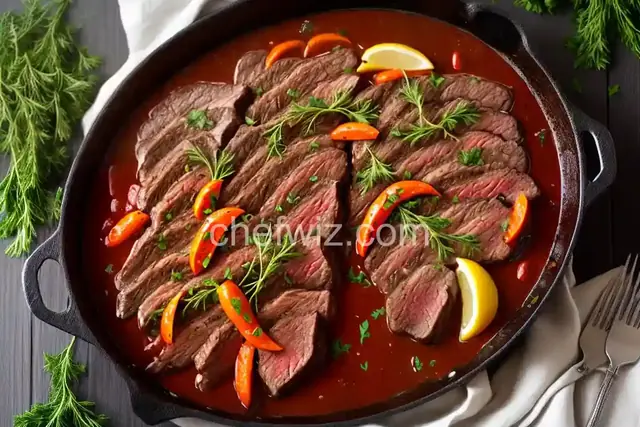
Return all the steaks to the skillet and heat them through, ensuring they are coated with the sauce.
When it comes to classic dishes that never go out of style, Steak Diane takes the crown. This mouthwatering creation has been satisfying taste buds for decades with its rich flavors and tender meat. Whether you're a seasoned chef or an amateur in the kitchen, mastering this recipe will make you feel like a culinary rockstar. So, let's dive in and explore the world of Steak Diane!
Like many beloved dishes, the origins of Steak Diane are a bit mysterious. Some say it was named after the Roman goddess of hunting, Diana, while others believe it was named after a woman named Diane who loved steak. Regardless of its origins, one thing is for sure: Steak Diane has become a timeless classic that continues to impress.
What sets Steak Diane apart from other steak dishes is its incredible flavor profile. The steak is cooked to perfection and then finished with a delectable sauce made from ingredients like Worcestershire sauce, Dijon mustard, and brandy. This sauce adds a burst of savory and tangy flavors that perfectly complement the tender meat. Each bite is a symphony of tastes that will have you coming back for more.
Cooking Steak Diane is an art form that requires precision and attention to detail. It starts with selecting the right cut of steak, such as filet mignon or striploin, which ensures a tender and juicy result. The steak is then seared in a hot pan to create a beautiful crust while locking in all the juices. Once the steak is cooked to your desired level of doneness, it's time to prepare the sauce.
The sauce is what truly elevates Steak Diane to greatness. It's a harmonious blend of flavors that adds depth and complexity to the dish. The Worcestershire sauce provides a rich umami taste, while the Dijon mustard adds a hint of tanginess. The brandy brings a touch of elegance and enhances the flavors even further. When the sauce is poured over the cooked steak, it creates an irresistible combination that will leave you craving more.
While Steak Diane is undoubtedly the star of the show, it deserves some equally impressive side dishes to complete the meal. Creamy mashed potatoes or buttery roasted vegetables are classic choices that complement the flavors of the steak. For a touch of freshness, a crisp green salad with a tangy vinaigrette can add a delightful contrast. The key is to choose sides that enhance the flavors without overpowering the main event.
Mastering the art of cooking Steak Diane may take some practice, but with a few tips and tricks, you'll be whipping up this delectable dish like a pro. Here are some pointers to keep in mind:
With these tips, you'll be well on your way to creating a Steak Diane that will impress even the most discerning palates.
Steak Diane is a timeless classic that never fails to impress. Its flavorful sauce, tender meat, and endless variations make it a go-to dish for any occasion. So, gather your ingredients, sharpen your knives, and get ready to embark on a culinary adventure that will tantalize your taste buds and leave your guests begging for more. Bon appétit!
Absolutely! While filet mignon and striploin are traditional choices, you can experiment with other cuts like ribeye or sirloin to suit your preferences.
Yes, you can omit the brandy if you prefer a non-alcoholic version. The sauce will still be delicious thanks to the Worcestershire sauce and Dijon mustard.
The best way to determine the doneness of the steak is to use a meat thermometer. For rare, the internal temperature should be around 125°F, medium-rare 135°F, medium 145°F, and well-done 160°F.
While it's best to enjoy Steak Diane fresh, you can freeze any leftovers. Make sure to wrap the steak tightly in foil or place it in an airtight container before freezing. When ready to eat, thaw it in the refrigerator and reheat gently on the stovetop.
If you don't have Worcestershire sauce on hand, you can use soy sauce as a substitute. However, keep in mind that the flavor profile will be slightly different.
Allowing the steak to rest for about 5-10 minutes before slicing will ensure that the juices redistribute and the meat remains tender and juicy.
Absolutely! Grilling the steak will add a delicious smoky flavor to the dish. Just make sure to adjust the cooking times accordingly.
A rich and bold red wine, such as Cabernet Sauvignon or Merlot, pairs beautifully with the flavors of Steak Diane. The tannins in the wine complement the richness of the meat and enhance the overall dining experience.
AprilCook, recipe developer and the heart of Chefwiz. More about April