Down Home Collard Greens
Rate this recipeBe the first to rate
 By AprilPublished
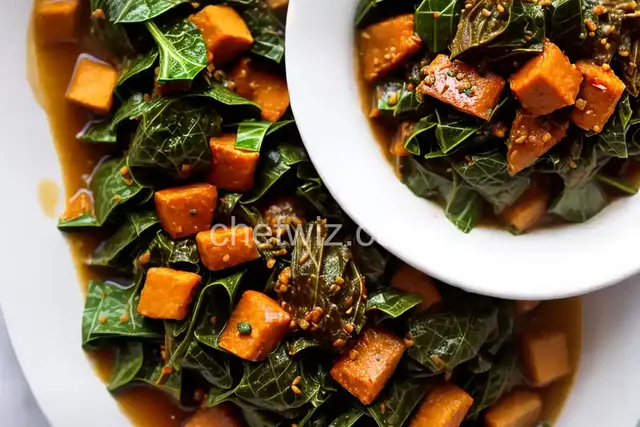
 When it comes to Southern comfort food, few dishes can compare to a steaming plate of down home collard greens.
 By AprilPublished
 When it comes to Southern comfort food, few dishes can compare to a steaming plate of down home collard greens.
Place collard greens in a pot filled with lightly salted water.
Bring the pot to a boil, then reduce the heat to medium-low.
Cook the collard greens until tender, which should take approximately 1 hour.
Drain the collard greens once they are cooked.
In a large skillet, cook the bacon over medium-high heat until it becomes crisp, which usually takes around 10 minutes.
Drain the cooked bacon using paper towels.
In a large pot, melt the butter over medium heat.
Add the onion to the melted butter and cook and stir until the onion becomes tender, which should take approximately 7 to 10 minutes.
Stir in the cooked bacon, chicken bouillon, water, garlic, oregano, thyme, and savory into the onion mixture.
Bring the mixture to a boil.
Stir in the collard greens and let the mixture simmer for 5 minutes.
Pour milk over the mixture, stir, and cook for an additional 5 minutes.
(Note: This recipe is featured in our February-March 2022 magazine issue. For more recipes, be sure to check it out!)
When it comes to Southern comfort food, few dishes can compare to a steaming plate of down home collard greens. These hearty greens are a staple in the South, and for good reason. Not only are they delicious, but they are also packed with nutrients and can be prepared in a variety of ways to suit your taste buds. In this article, we'll explore the history of collard greens, their health benefits, and some tips for cooking them to perfection.
Collard greens have a long and storied history in the United States. They can be traced back to West Africa, where they were a dietary staple for centuries. Enslaved Africans brought the tradition of growing and cooking collard greens to America, where it became an integral part of African-American cuisine. Over time, collard greens spread throughout the South and became a symbol of Southern cooking.
Collard greens are not only delicious but also incredibly nutritious. They are packed with vitamins and minerals, including vitamin K, vitamin A, vitamin C, and calcium. These leafy greens are also a great source of fiber, which is important for digestive health. Incorporating collard greens into your diet can help boost your immune system, support healthy bones, and promote overall well-being.
There are countless ways to prepare collard greens, but one popular method is to cook them low and slow. This allows the flavors to meld together and the greens to become tender. Start by washing and removing the tough stems from the leaves. Then, chop or tear the leaves into bite-sized pieces. In a large pot, cook some bacon until crispy, then remove it and set it aside. Add onions, garlic, and a pinch of red pepper flakes to the pot and cook until the onions are translucent. Next, add the collard greens, along with some chicken broth and a splash of apple cider vinegar. Cover the pot and let the greens simmer for about an hour, or until they are tender. Just before serving, crumble the reserved bacon on top for an extra burst of flavor.
To ensure your collard greens turn out perfectly every time, here are a few tips to keep in mind:
Look for collard greens that are vibrant green and free from wilting or yellowing.
The stems of collard greens can be tough and chewy, so be sure to remove them before cooking.
Simmering collard greens over low heat for an extended period allows the flavors to develop and the greens to become tender.
A splash of apple cider vinegar or lemon juice can help balance the flavors and add brightness to the dish.
Bacon adds a smoky, savory flavor to collard greens that is hard to resist. Be sure to include it in your recipe.
Down home collard greens are a beloved dish that has deep roots in Southern cuisine. From their West African origins to their place on the Southern dinner table, collard greens have a rich history. Not only are they delicious, but they are also incredibly nutritious, packed with vitamins and minerals. By following a few simple tips, you can cook collard greens that are tender, flavorful, and sure to please a crowd. So why not give these tasty greens a try and experience a true taste of the South?
While collard greens are most closely associated with Southern cuisine, they can be enjoyed throughout the United States and beyond.
Absolutely! While collard greens have a unique flavor and texture, other greens like kale or Swiss chard can be used as substitutes in recipes.
Collard greens can stay fresh for up to a week when stored in the refrigerator. Just be sure to wash and dry them thoroughly before storing.
While collard greens are most commonly cooked, they can also be enjoyed raw in salads or as a wrap for sandwiches.
Collard greens are a great option for vegetarians and vegans, as they are packed with nutrients and can be prepared without any animal products.
Yes, collard greens can be frozen. Simply blanch them in boiling water for a few minutes, then transfer to an airtight container or freezer bag.
To reduce the bitterness of collard greens, try adding a pinch of sugar or a splash of honey to your recipe.
While fresh collard greens are preferred, canned collard greens can be used as a convenient substitute in recipes.
AprilCook, recipe developer and the heart of Chefwiz. More about April