San Francisco Sourdough Bread
Rate this recipeBe the first to rate
 By AprilPublished
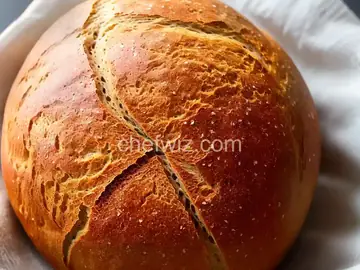
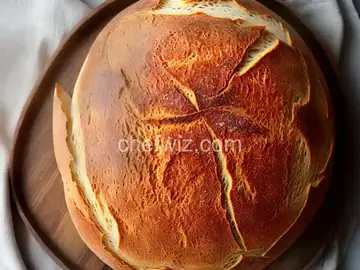
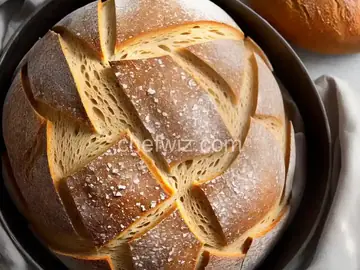
 When it comes to iconic foods, San Francisco is famous for its sourdough bread.
 By AprilPublished
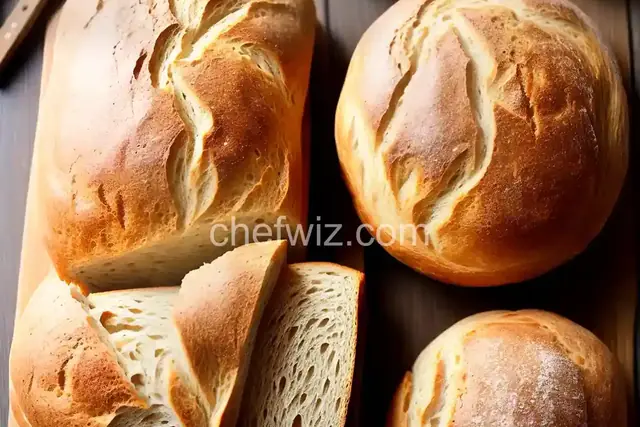
 When it comes to iconic foods, San Francisco is famous for its sourdough bread.
In a large bowl, combine 1 cup of flour, sugar, salt, and yeast.
Add warm milk and margarine to the mixture.
Stir in the starter.
Gradually mix in the remaining 3 3/4 cups of flour. Depending on the climate, you may need to add more flour.
Turn the dough out onto a floured surface and knead for 8 to 10 minutes.
Place the dough into a greased bowl, turn it once to oil the surface, and cover it.
Allow the dough to rise until it has doubled in volume, which takes about 1 hour.
Punch down the dough, cover it, and let it rest for 15 minutes.
Divide the dough in half and shape it into 2 loaves.
Place the loaves on a greased baking pan.
Allow the loaves to rise until they have doubled in volume, which takes about 1 hour.
Preheat the oven to 375 degrees F (190 degrees C).
In a small bowl, stir together the egg and water until well combined.
Brush the mixture over the tops of the loaves, then sprinkle them with onion.
Bake the loaves in the preheated oven until they are golden brown and cooked through, which takes about 30 minutes.
Insert an instant-read thermometer into the center of a loaf
When it comes to iconic foods, San Francisco is famous for its sourdough bread. This tangy, crusty loaf has become synonymous with the city's culinary heritage. But what makes San Francisco sourdough so special? And why does it have such a dedicated following?
At its core, sourdough is a type of bread made from fermented dough. What sets San Francisco sourdough apart is its unique starter culture. The city's cool climate and specific blend of wild yeasts give this bread its distinct flavor and texture.
Imagine the starter culture as a bustling city, teeming with activity. The wild yeasts and bacteria work together to create carbon dioxide gas, which gives the bread its signature air pockets and tangy taste. It's like a lively neighborhood, with each microorganism contributing to the overall character of the bread.
San Francisco sourdough is not just about the ingredients—it's also about the process. Bakers in the city take their time to craft the perfect loaf, often using traditional techniques that have been passed down through generations.
Just like a symphony conductor, the baker carefully orchestrates the fermentation process, allowing the dough to rise slowly and develop its complex flavors. It's a labor of love that requires patience and attention to detail. And like a perfectly executed performance, the end result is a masterpiece.
San Francisco sourdough has deep roots in the city's history. During the California Gold Rush in the 1840s, French bakers brought their sourdough culture to the city. The unique blend of yeasts and bacteria found in the local environment combined with this imported culture, giving birth to San Francisco's iconic bread.
Just like the city itself, San Francisco sourdough is a melting pot of cultures and flavors. It represents the resilience and adaptability of the people who call this city home. Each bite is a taste of history and a connection to the past.
San Francisco sourdough's reputation extends far beyond the city limits. Its tangy flavor and chewy texture have captivated bread lovers worldwide. People from all corners of the globe seek out this iconic loaf, whether it's to reminisce about their time in San Francisco or simply to experience the unique taste.
And just like the Golden Gate Bridge, San Francisco sourdough is a symbol of the city's spirit. It's a reminder of the creativity, innovation, and diversity that define San Francisco.
Yes, you can! While it may take some practice to perfect the technique, making San Francisco sourdough at home is entirely possible. All you need is a good starter culture, patience, and a love for baking.
The entire process can take anywhere from 24 to 48 hours, depending on the temperature and fermentation speed. Remember, good things take time!
Absolutely! San Francisco sourdough freezes well, allowing you to enjoy its deliciousness even when you're not in the city. Just make sure to wrap it tightly to prevent freezer burn.
San Francisco sourdough is incredibly versatile. You can enjoy it toasted with butter, use it as a base for sandwiches, or even make it the star of a delicious bread pudding. The possibilities are endless!
No, traditional San Francisco sourdough is not gluten-free. It is made from wheat flour, which contains gluten. However, there are gluten-free alternatives available for those with dietary restrictions.
Yes, you can! Many bakeries across the country offer their own version of San Francisco sourdough. While it may not be the exact same as the one you'd find in the city, it's still worth trying.
The unique blend of wild yeasts found in San Francisco gives its sourdough a distinct flavor profile. Additionally, the cool climate and traditional baking techniques contribute to its characteristic tang and chewiness.
Absolutely! San Francisco is home to numerous bakeries that have been perfecting the art of sourdough for decades. Visiting these establishments is a must for any bread lover.
In conclusion, San Francisco sourdough is more than just a loaf of bread. It's a symbol of a city's history, a testament to the dedication of its bakers, and a taste that transcends borders. Whether you're enjoying it in a quaint San Francisco bakery or making it at home, this tangy delight is sure to transport you to the Golden City with every bite.
AprilCook, recipe developer and the heart of Chefwiz. More about April