Roasted Chestnuts
Rate this recipeBe the first to rate
 By AprilPublished
 Who doesn't love the comforting aroma of roasted chestnuts on a chilly autumn evening?
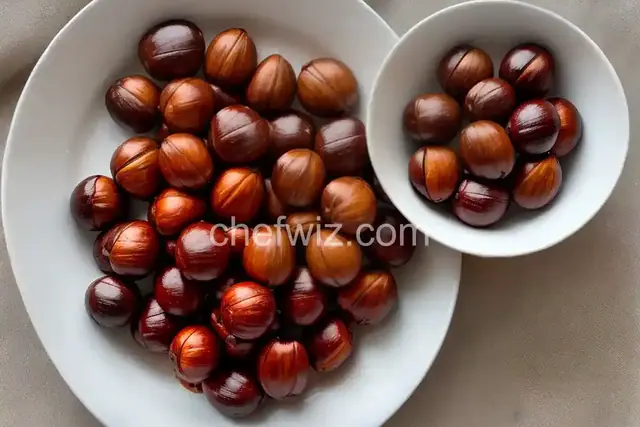 By AprilPublished
 Who doesn't love the comforting aroma of roasted chestnuts on a chilly autumn evening?
These chestnuts can be roasted in the oven instead of over an open fire, but they are still wonderfully festive. This recipe for roasted chestnuts only requires four ingredients and will quickly become a seasonal favorite in your home.
Here are the steps for making these traditional roasted chestnuts:
Begin by washing and drying the chestnuts, and then use a knife to make an X on each nut.
Preheat the oven to 375 degrees F (190 degrees C).
Place the chestnuts in a shallow baking pan and roast them in the preheated oven for 25 to 30 minutes.
Remove the chestnuts from the oven and allow them to cool. Peel off the shells.
In a skillet, sauté the peeled chestnuts with butter over high heat until the butter is melted and the chestnuts are well coated.
Return the skillet to the oven and roast the chestnuts until they are golden on top.
Sprinkle the roasted chestnuts with ground cinnamon and a pinch of salt.
These roasted chestnuts are perfect for snacking, especially when enjoyed with a warm cocktail or homemade eggnog. They also make a delicious topping for ice cream or yogurt, whether for breakfast or dessert.
Peeled and roasted chestnuts can be stored in an airtight container in the refrigerator for about three to five days.
Here are some comments from others who have tried this recipe:
- Bette Siler suggests adding a sprinkle
Who doesn't love the comforting aroma of roasted chestnuts on a chilly autumn evening? These delicious treats are not only a seasonal delight but also a nutritious snack. In this article, we will explore the wonders of roasted chestnuts and how to enjoy them to the fullest.
Roasting chestnuts is an art that requires patience and precision. Just like a painter carefully selects their colors, a chestnut roaster selects the perfect chestnuts for roasting. The chestnuts should be firm, shiny, and free from blemishes.
Once you have selected your chestnuts, it's time to prepare them for roasting. Make a small incision in the shell to prevent them from exploding during the roasting process. This small act of preparation is like sharpening your tools before starting a masterpiece.
Now comes the roasting part. Place the chestnuts on a baking sheet, making sure they are evenly spaced. This is like arranging your ingredients on a canvas, giving each one its own space to shine. Set the oven to a medium-high temperature and let the magic happen. As the chestnuts roast, your kitchen will be filled with the most delightful aroma.
Once the chestnuts are beautifully roasted, it's time to enjoy them. Crack open the shells and savor the warm, tender flesh inside. The taste is nutty and sweet, with a hint of smokiness. It's like biting into a piece of edible art.
Roasted chestnuts can be enjoyed on their own or used in various recipes. They add a delightful crunch and flavor to salads, stuffing, and desserts. Just like an artist uses different brush strokes to create a masterpiece, you can use roasted chestnuts to add depth and complexity to your culinary creations.
Not only are roasted chestnuts delicious, but they are also packed with nutrients. They are a great source of vitamins, minerals, and fiber. Chestnuts are low in fat and cholesterol, making them a healthy snack option. Eating roasted chestnuts is like nourishing your body with a burst of goodness.
Whether you are looking for a wholesome snack or a versatile ingredient, roasted chestnuts have got you covered. So, let your taste buds embark on a journey of flavors and indulge in the simple pleasure of roasted chestnuts.
Roasted chestnuts are not just a tasty treat; they are a work of art. From the careful selection of chestnuts to the roasting process, every step is like painting a masterpiece. The joy of eating roasted chestnuts is unparalleled, and their nutritional value adds to their appeal. So, embrace the season and savor the flavors of roasted chestnuts.
Yes, roasted chestnuts are naturally gluten-free, making them a perfect snack for individuals with gluten sensitivities.
Yes, roasting chestnuts on an open fire is a traditional method. Just make sure to use a chestnut roasting pan or a wire basket to prevent them from falling into the flames.
Roasted chestnuts can be stored in an airtight container for up to 3 days. To enjoy their freshness, it's best to consume them as soon as possible.
Yes, you can freeze roasted chestnuts. Place them in a freezer-safe bag and store them for up to 3 months. Thaw them before consuming or use them directly in recipes.
Roasted chestnuts are relatively low in calories compared to other nuts. They are a healthier alternative for those watching their calorie intake.
Yes, if you don't have an oven, you can roast chestnuts on a stovetop. Place them in a skillet over medium heat and roast them, shaking the pan occasionally, until they are tender and fragrant.
The skin of roasted chestnuts is not usually consumed, as it can be tough and slightly bitter. It's best to peel the skin before eating for a better taste and texture.
While roasted chestnuts contain some protein, they are not as high in protein as other nuts. However, they make up for it with their rich array of other nutrients.
AprilCook, recipe developer and the heart of Chefwiz. More about April