Chilean Dobladitas
Rate this recipeBe the first to rate
 By AprilPublished
 Have you ever tasted a dish that combines the perfect harmony of flavors and textures?
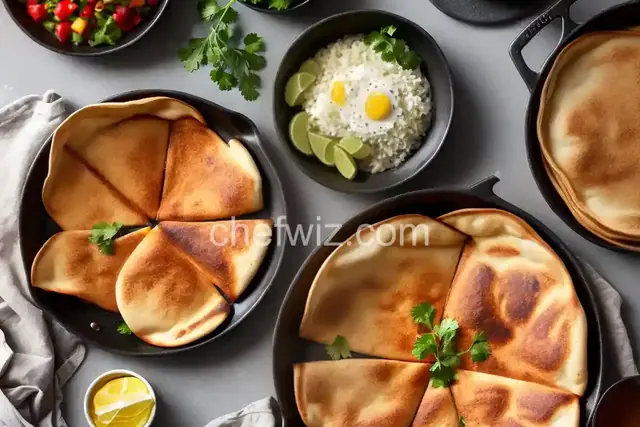 By AprilPublished
 Have you ever tasted a dish that combines the perfect harmony of flavors and textures?
Preheat the oven to 450 degrees F (230 degrees C) and grease a baking sheet.
In a mixing bowl, combine the flour, salt, baking powder, milk, and 1 cup of melted butter. Stir until the dough comes together.
Transfer the dough onto a lightly floured surface and knead it until it becomes smooth and elastic.
Roll out the dough to a thickness of 1/8 inch and cut it into 8-inch circles.
Brush the circles with the remaining melted butter.
Fold each circle in half and then in half again, creating triangles. Press firmly to seal the layers.
Place the rolls onto the greased baking sheet.
Bake in the preheated oven for approximately 15 minutes or until the rolls turn golden brown.
Serve the rolls warm.
Have you ever tasted a dish that combines the perfect harmony of flavors and textures? Look no further than Chilean dobladitas! These mouthwatering treats are a true delight for the senses. Picture a crispy, golden-brown pastry filled with a savory, succulent filling that will leave you craving for more. Let's dive deeper into the world of Chilean dobladitas and uncover what makes them so special.
Like many traditional dishes, the origin of dobladitas is shrouded in history. These delectable pastries have their roots in Chilean cuisine, where they have been enjoyed for generations. The word "dobladitas" loosely translates to "folded" in English, which perfectly describes the pastry's signature shape. But it's not just the shape that sets them apart.
What sets dobladitas apart from other pastries is their unique combination of flavors. The flaky, buttery crust pairs perfectly with a variety of fillings, such as cheese, ham, or even seafood. It's like a symphony in your mouth, with each bite offering a delightful balance of textures and tastes.
Dobladitas are made by rolling out a thin sheet of dough, placing the filling in the center, and then folding it over to create a half-moon shape. The edges are then sealed, and the pastries are baked to golden perfection. While the classic fillings are popular, creative cooks have come up with their own variations to suit different tastes.
Dobladitas are more than just a delicious snack. They hold a special place in Chilean culture, often enjoyed during family gatherings, celebrations, or even as a quick snack on the go. The process of making dobladitas is often passed down through generations, keeping the tradition alive.
For Chileans living abroad, dobladitas are a taste of home. The nostalgia-inducing aroma and familiar flavors transport them back to their roots. It's a reminder of the warmth and comfort of family and the rich culinary heritage that defines Chilean cuisine.
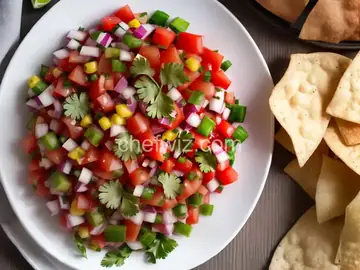
Pairing dobladitas with the right accompaniments can elevate the culinary experience. A refreshing glass of Chilean wine or a traditional pebre sauce, made with tomatoes, onions, and cilantro, can complement the flavors of the pastry beautifully. It's all about finding the perfect harmony of flavors.
Chilean dobladitas are more than just a pastry – they are a culinary masterpiece. The combination of flaky crust and savory fillings creates a symphony of flavors that will leave your taste buds begging for more. Whether you're enjoying them at a family gathering or savoring a taste of home abroad, dobladitas are a true delight. So, why not treat yourself to this Chilean culinary treasure?
Yes, you can freeze dobladitas. Once baked, let them cool completely, then place them in an airtight container and freeze for up to three months.
While the traditional dobladitas are savory, you can experiment with sweet fillings like fruit compote or chocolate for a delightful dessert version.
Yes, dobladitas and empanadas share similarities in their shape and preparation method. However, the dough used for dobladitas is usually lighter and flakier.
The traditional dobladitas are not gluten-free, as they are made with wheat flour. However, you can try using alternative flours, like rice or almond flour, to make a gluten-free version.
Yes, you can make dobladitas ahead of time. Prepare the pastries, but instead of baking them immediately, refrigerate them until you're ready to bake. This way, you can enjoy freshly baked dobladitas whenever you want.
To reheat leftover dobladitas, preheat your oven to 350°F (175°C). Place the pastries on a baking sheet and bake for about 10 minutes or until heated through. This will help restore their crispy texture.
Absolutely! Mini dobladitas make perfect bite-sized appetizers. Simply adjust the size of the dough and filling accordingly and reduce the baking time.
While homemade dough is preferred for its flavor and texture, you can use store-bought dough as a time-saving option. Just make sure to follow the package instructions for baking.
The level of spiciness in dobladitas depends on the filling you choose. Some fillings, like cheese or ham, are not spicy at all, while others, like seafood, may have a hint of spice. You have the freedom to control the level of spiciness according to your preference.
AprilCook, recipe developer and the heart of Chefwiz. More about April