Parker House Rolls
Rate this recipeBe the first to rate
 By AprilPublished
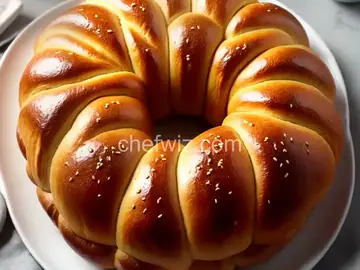
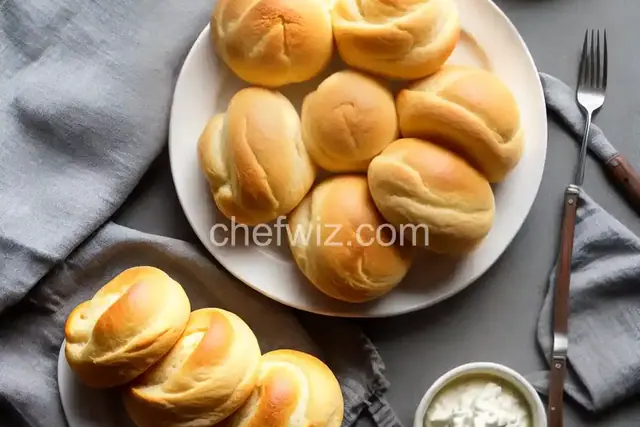
 When it comes to bread rolls, there's nothing quite like the soft, buttery goodness of Parker House Rolls.
 By AprilPublished
 When it comes to bread rolls, there's nothing quite like the soft, buttery goodness of Parker House Rolls.
In a bowl, combine yeast and 1 teaspoon of sugar with 1/2 cup of warm water. Allow the mixture to sit until it becomes foamy, approximately 10 minutes.
Add warm milk, 6 tablespoons of sugar, salt, and another 1/2 cup of warm water to the yeast mixture. Stir well.
Gradually whisk in 2 cups of flour until the mixture is smooth.
Add the remaining 3 1/2 cups of flour, egg, 2 tablespoons and 2 teaspoons of vegetable oil to the flour-yeast mixture. Stir until a soft dough forms.
Transfer the dough onto a floured work surface and knead for 6 to 8 minutes until it becomes smooth and elastic.
Place the dough in a greased bowl, ensuring that the top of the dough is greased as well. Cover the bowl with a damp towel and let it rise in a warm room until it doubles in size, approximately 1 hour.
After the dough has risen, punch it down and divide it in half.
Roll each half on a floured surface until it reaches a thickness of 1/3 to 1/2 inch.
Use a floured 2 1/2-inch round cutter to cut out dough circles.
Brush each dough circle with melted butter.
Using the dull edge of a table knife, make an off-center cre
When it comes to bread rolls, there's nothing quite like the soft, buttery goodness of Parker House Rolls. These delectable rolls have a rich history dating back to the 19th century and continue to be a favorite at dinner tables around the world. Whether you're a seasoned baker or a novice in the kitchen, these rolls are sure to impress your guests and leave them craving for more.
Imagine sinking your teeth into a warm, pillowy roll that melts in your mouth. That's the experience you get with Parker House Rolls. These iconic rolls were first created at the Parker House Hotel in Boston in the late 1800s. Legend has it that a disgruntled chef, frustrated with the shape of his dinner rolls, decided to fold them in half before baking. The result was a roll with a soft, buttery interior and a slightly crisp exterior, creating a taste sensation that became an instant hit.
What sets Parker House Rolls apart from other dinner rolls is their unique combination of flavors and textures. The dough is made with simple ingredients like flour, yeast, sugar, and butter, but it's the technique that makes all the difference. The dough is rolled out and cut into rectangles, then brushed with melted butter before being folded in half. This creates layers of buttery goodness that are light and fluffy on the inside, with a golden, slightly crispy crust on the outside.
When you take a bite of a Parker House Roll, you'll experience a burst of flavors. The sweetness from the sugar and the richness from the butter create a heavenly taste that pairs perfectly with any meal. Whether you're enjoying them with a hearty bowl of soup or using them to make sandwiches, these rolls are the ultimate comfort food.
Making Parker House Rolls at home may seem intimidating, but with a few tips and tricks, you'll be baking up a batch of perfection in no time:
When it comes to baking, the quality of your ingredients can make all the difference. Use fresh, high-quality flour, yeast, sugar, and butter to ensure the best results.
The butter is what gives Parker House Rolls their rich, buttery flavor and soft texture. Be generous when brushing the melted butter onto the dough before folding it in half.
Allowing the dough to rise at the right temperature and for the right amount of time is crucial for achieving light and fluffy rolls. Follow the recipe instructions carefully and be patient.
While traditional Parker House Rolls are simply brushed with melted butter, you can get creative with toppings. Try sprinkling them with sea salt, garlic powder, or even grated cheese for an extra flavor boost.
Parker House Rolls are not just a side dish; they can be the star of the show. From sliders and sandwiches to bread pudding and French toast, these rolls can be used in a variety of delicious recipes. Their soft texture and buttery flavor make them the perfect vessel for any filling or topping you can imagine.
So, the next time you're planning a dinner party or simply want to treat your family to something special, consider making a batch of Parker House Rolls. With their rich history, irresistible flavors, and versatility, these rolls are sure to become a staple on your dinner table. Get ready to impress your guests and indulge in a little slice of bread heaven!
Parker House
Yes, you can make Parker House Rolls ahead of time. Simply prepare the dough, shape the rolls, and place them in the refrigerator overnight. When you're ready to bake, let them come to room temperature before baking as directed.
Yes, you can freeze Parker House Rolls. After baking, let them cool completely, then place them in an airtight container or freezer bag. They can be stored in the freezer for up to three months. To serve, thaw at room temperature and warm in the oven before serving.
Yes, you can make Parker House Rolls without a stand mixer. While a stand mixer makes the process easier, you can also mix and knead the dough by hand. It may take a bit more effort and time, but the end result will be just as delicious.
Yes, you can make vegan Parker House Rolls by substituting dairy-free butter and milk for the traditional butter and milk called for in the recipe. The result will be slightly different in taste and texture, but still delicious.
Yes, you can make gluten-free Parker House Rolls by using a gluten-free flour blend in place of regular flour. Keep in mind that the texture may be slightly different, but they will still be tasty.
Yes, you can make mini Parker House Rolls by cutting the dough into smaller rectangles and adjusting the baking time accordingly. These bite-sized rolls are perfect for appetizers or serving with a buffet-style meal.
Yes, you can make Parker House Rolls with whole wheat flour. However, keep in mind that the texture and taste will be different compared to rolls made with all-purpose flour. Whole wheat flour tends to result in denser rolls, so be sure to adjust the recipe accordingly.
No, yeast is an essential ingredient in Parker House Rolls as it helps the dough rise and gives the rolls their light and fluffy texture. There is no suitable substitute for yeast in this recipe.
AprilCook, recipe developer and the heart of Chefwiz. More about April