Paprika
Rate this recipeBe the first to rate
 By AprilPublished
 When it comes to spices that can instantly transform a dish, paprika takes the lead.
 By AprilPublished
 When it comes to spices that can instantly transform a dish, paprika takes the lead.
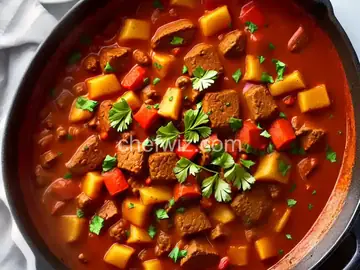
In a large skillet, cook the bacon over medium-high heat, turning occasionally, until it is evenly browned (about 10 minutes). Place the cooked bacon on paper towels to drain, then crumble it. Set aside 1 tablespoon of bacon grease in the skillet.
Season the chicken pieces with salt and pepper. Add the chicken to the skillet with the reserved bacon grease and cook over high heat until the chicken is golden brown on all sides (about 10 minutes). Transfer the chicken to a plate.
In the same skillet, cook and stir the onions until they are softened (about 5 to 10 minutes). Reduce the heat to low, then stir in the paprika and caraway seeds. Add the chicken to the skillet, cover, and cook for 30 minutes.
Add the potatoes to the chicken mixture, cover the skillet, and cook until the potatoes are tender and the chicken is no longer pink in the center (about 30 more minutes). Transfer the chicken and potatoes to a serving dish.
In the same skillet, stir together the sour cream, parsley, and garlic powder until the sauce is smooth and creamy (about 3 to 5 minutes). Pour the sauce over the chicken and potatoes, then sprinkle with the crumbled bacon.
When it comes to spices that can instantly transform a dish, paprika takes the lead. Whether you're whipping up a hearty stew, marinating meat, or sprinkling it on top of deviled eggs, paprika adds a burst of flavor and a vibrant red hue. But what exactly is paprika, and what makes it so popular in kitchens around the world?
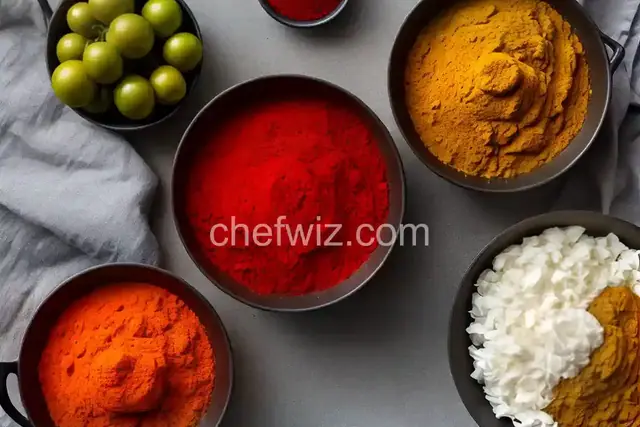
Paprika is a spice that originated in Central America and was brought to Europe by explorers in the 16th century. It is made from grinding dried red peppers into a fine powder. The peppers used for paprika can range from sweet and mild to hot and spicy, giving you a variety of options to choose from.
Paprika offers more than just a fiery kick. It comes in different flavor profiles, ranging from sweet and smoky to hot and pungent. The sweet variety is often used in dishes that call for a milder flavor, such as soups, sauces, and roasted vegetables. Smoky paprika, on the other hand, adds a distinct smokiness to dishes like barbecued meat or grilled seafood. And if you're looking to add some heat to your dishes, the hot paprika will do the trick.
One of the reasons why paprika is a staple in many kitchens is its versatility. It can be used in a wide range of dishes, from traditional recipes to modern fusion creations. Sprinkle paprika on top of deviled eggs for a pop of color and flavor, or mix it into a creamy dip for a tangy kick. You can even use it as a dry rub for meats or as a seasoning for roasted vegetables. The possibilities are endless!
Paprika not only adds flavor to your dishes but also comes with several health benefits. It is rich in antioxidants, which help protect your body from free radicals and reduce inflammation. Additionally, paprika is a good source of vitamin E, which promotes healthy skin and strengthens the immune system. So, not only does paprika make your food taste great, but it also contributes to your overall well-being.
To ensure that your paprika stays fresh and flavorful, it's important to store it properly. Keep it in an airtight container in a cool, dark place, away from direct sunlight or heat. This will help preserve its vibrant color and intense flavor. When using paprika in your recipes, remember that a little goes a long way. Start with a small amount and adjust according to your taste preferences.
Whether you're a seasoned chef or a novice cook, paprika is a spice worth exploring. Its versatility, flavor profiles, and health benefits make it an essential ingredient in any kitchen. So, the next time you want to add a touch of flavor and color to your culinary creations, reach for that jar of paprika and let your taste buds rejoice!
While paprika and chili powder share some similarities, they have different flavor profiles. Paprika is milder and sweeter, while chili powder has a spicier and more complex taste. However, you can use paprika as a substitute for chili powder if you prefer a milder flavor.
Absolutely! Paprika can add a unique twist to sweet treats like chocolate truffles or brownies. Just make sure to use it sparingly, as its flavor can be quite strong in desserts.
Yes, paprika is rich in antioxidants and vitamin E, which have various health benefits. It helps fight inflammation, promotes healthy skin, and boosts the immune system.
Sweet paprika has a mild and slightly sweet flavor, while hot paprika adds a spicy kick. The choice between the two depends on your personal taste preferences and the desired level of heat in your dishes.
Like any spice, paprika can lose its flavor and potency over time. It's best to check the expiration date and store it properly to ensure it stays fresh.
Absolutely! Paprika adds depth of flavor and a vibrant color to marinades, making them even more delicious.
Yes, paprika is naturally gluten-free, making it a safe option for individuals with gluten intolerance or celiac disease.
Yes, paprika can add a smoky and flavorful touch to grilled vegetables. Just sprinkle it on before grilling for a delicious twist.
Yes, paprika's vibrant red color makes it a great natural food coloring alternative. It can add a visually appealing hue to various dishes.
AprilCook, recipe developer and the heart of Chefwiz. More about April