Pad Kee Mow (Drunkard's Noodles)
Rate this recipeBe the first to rate
 By AprilPublished
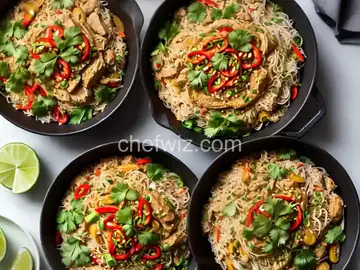
 When it comes to Thai cuisine, there are few dishes as flavorful and satisfying as Pad Kee Mow, also known as Drunkard's Noodles.
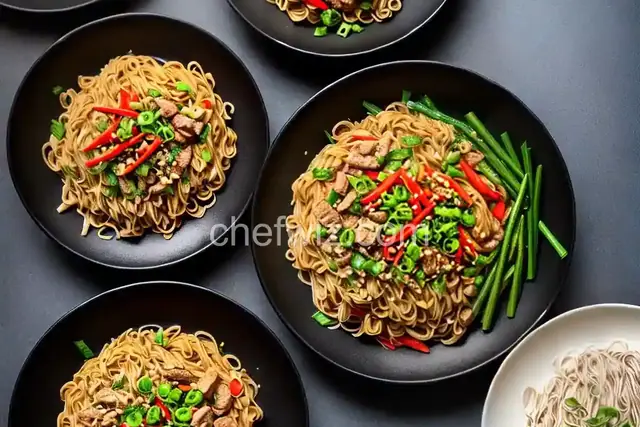 By AprilPublished
 When it comes to Thai cuisine, there are few dishes as flavorful and satisfying as Pad Kee Mow, also known as Drunkard's Noodles.
Combine rice vinegar, fish sauce, lime juice, palm sugar, red pepper flakes, and black pepper in a large bowl, mixing them together with a whisk.
Place the chicken in the rice vinegar mixture to marinate, and set it aside while you prepare the other ingredients.
Soak the rice noodles in warm water for approximately 5 minutes, then drain them.
In a large skillet or wok, heat the vegetable oil over medium heat. Cook and stir the garlic and onion in the hot oil until the onion becomes soft and translucent, which usually takes about 5 minutes.
Increase the heat to medium-high. Add the chicken and marinade to the onion mixture, stirring and cooking until the chicken is fully cooked and the sauce starts to thicken. This usually takes around 7 to 10 minutes.
Stir in the rice noodles, oyster sauce, soy sauce, red bell pepper, tomatoes, green onion, and basil leaves, making sure to mix everything evenly. Cook and stir until the sauce is well distributed and the noodles become tender, which usually takes around 5 minutes.
When it comes to Thai cuisine, there are few dishes as flavorful and satisfying as Pad Kee Mow, also known as Drunkard's Noodles. This popular street food dish is a perfect blend of spicy, tangy, and savory flavors that will leave your taste buds begging for more. But what makes these noodles so special? Let's dive in and explore the magic behind Pad Kee Mow.
Like many iconic dishes, Pad Kee Mow has an interesting origin story. Legend has it that this dish was created by a Thai chef who wanted to cure a customer's hangover. Wanting to create a dish that was both spicy and flavorful, he combined wide rice noodles with a medley of fresh herbs, vegetables, and protein. The result was a dish that not only satisfied the customer's hunger but also helped alleviate the effects of a night of indulgence. Thus, Pad Kee Mow was born.
Pad Kee Mow is known for its bold and complex flavor profile. The dish typically features a combination of sweet, salty, spicy, and sour flavors. The heat comes from the use of Thai chilies, which can be adjusted according to your spice tolerance. The addition of fresh herbs like Thai basil and cilantro adds a burst of freshness to the dish, while the use of fish sauce and soy sauce provides a savory umami flavor. The result is a harmonious blend of flavors that keeps you coming back for more.
Preparing Pad Kee Mow requires some skill and finesse. The key is to stir-fry the ingredients over high heat to achieve the perfect balance of flavors and textures. The wide rice noodles, also known as sen yai, are soaked in hot water until they are pliable before being stir-fried with a mixture of vegetables, protein, and sauce. The dish is typically garnished with a squeeze of lime juice and a sprinkle of crushed peanuts for added texture and flavor. The end result is a plate of steaming hot noodles that will transport you to the bustling streets of Thailand.
One of the great things about Pad Kee Mow is its versatility. You can easily customize the dish to suit your preferences and dietary restrictions. If you're a fan of seafood, you can add shrimp or squid to the stir-fry. For a vegetarian version, you can swap the protein for tofu or extra vegetables. Additionally, you can adjust the spice level by adding more or fewer Thai chilies. The possibilities are endless, allowing you to create a Pad Kee Mow that is uniquely yours.
Now that you know the story behind Pad Kee Mow and what makes it so special, it's time to experience the magic for yourself. Whether you're a fan of Thai cuisine or simply looking to try something new, Pad Kee Mow is a dish that will not disappoint. So grab your wok, gather the ingredients, and get ready to take your taste buds on a flavor-packed journey to Thailand.
The main ingredients in Pad Kee Mow are wide rice noodles, vegetables, protein (such as chicken, beef, or shrimp), Thai chilies, garlic, fish sauce, soy sauce, and fresh herbs like Thai basil and cilantro.
Yes, you can substitute fish sauce with soy sauce if you prefer a vegetarian or vegan version of Pad Kee Mow. However, keep in mind that the flavor will be slightly different.
Pad Kee Mow can be as spicy as you want it to be. The heat level can be adjusted by adding more or fewer Thai chilies. If you prefer a milder version, you can remove the seeds from the chilies before using them.
While traditional Pad Kee Mow uses wide rice noodles, you can experiment with other types of noodles like udon or egg noodles if you prefer. Just keep in mind that the texture and flavor may vary.
Pad Kee Mow can be made gluten-free by using gluten-free soy sauce and ensuring that all other ingredients are gluten-free. However, it's always best to double-check the labels of pre-packaged ingredients to be sure.
Pad Kee Mow is best enjoyed fresh, as the noodles can become soggy if left to sit for too long. However, you can prepare the ingredients ahead of time and stir-fry them just before serving to save time.
Pad Kee Mow pairs well with other Thai dishes like Tom Yum soup, Thai green curry, or mango sticky rice for a complete and satisfying meal.
Due to the nature of the dish, it's not recommended to freeze leftover Pad Kee Mow. The noodles may lose their texture and become mushy upon thawing.
AprilCook, recipe developer and the heart of Chefwiz. More about April