Meringue II
Rate this recipeBe the first to rate
 By AprilPublished
 Have you ever been amazed by the fluffy clouds of sweetness perched atop a pie or cake?
 By AprilPublished
 Have you ever been amazed by the fluffy clouds of sweetness perched atop a pie or cake?
Combine water, 2 tablespoons sugar, and cornstarch in a small saucepan.
Cook the mixture over low heat, stirring constantly, until it becomes clear.
Remove the saucepan from heat.
In a large glass or metal bowl, beat egg whites, cream of tartar, and salt until foamy.
Mix in vanilla.
Gradually add 6 tablespoons sugar while continuously beating until the mixture forms soft peaks.
Gradually pour in the cornstarch mixture while beating until stiff.
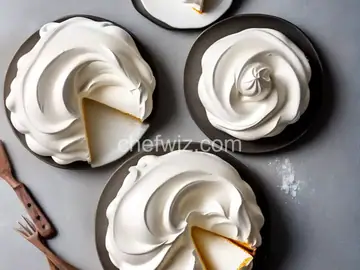
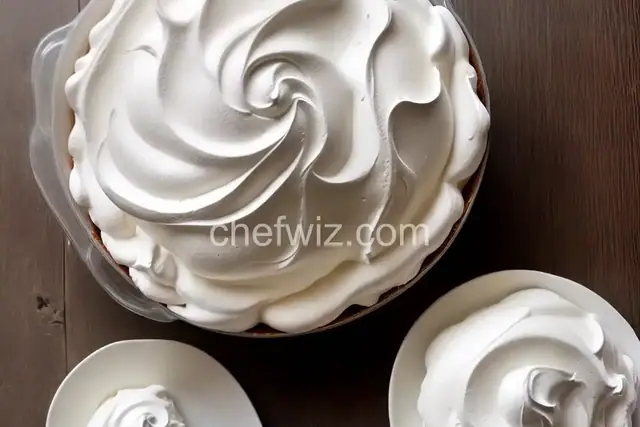
Spread the meringue over the top of the pie and seal it to the crust.
If desired, brown the meringue in the oven.
Have you ever been amazed by the fluffy clouds of sweetness perched atop a pie or cake? That's meringue for you! Meringue is a delightful concoction made from egg whites and sugar, creating a light and airy texture that melts in your mouth. In this article, we will explore the fascinating world of meringue, its different types, and how to make it like a pro.
When it comes to meringue, there is no one-size-fits-all approach. There are three main types of meringue, each with its own unique characteristics:
French meringue is the most basic form of meringue, made by whisking egg whites and sugar together until stiff peaks form. It is then baked until it forms a crisp exterior and a soft, marshmallow-like interior. French meringue is commonly used to top pies or as a base for desserts like pavlova.
If you're looking for a more stable and glossy meringue, Italian meringue is the way to go. It is made by slowly adding hot sugar syrup to stiffly beaten egg whites, resulting in a silky and stable mixture. Italian meringue is often used to frost cakes or as a filling for pastries.
Swiss meringue is a cooked meringue that offers a more velvety texture compared to French or Italian meringue. It involves whisking egg whites and sugar over a double boiler until the sugar dissolves. The mixture is then whipped to stiff peaks. Swiss meringue is commonly used in buttercream frostings or as a topping for pies.
Now that you know about the different types of meringue, let's dive into some tips that will help you achieve perfect results:
Room temperature eggs are easier to separate and whip to the desired consistency. Take your eggs out of the refrigerator and let them sit at room temperature for 30 minutes before using them.
Make sure your mixing bowl and beaters are clean and completely dry. Any grease or moisture can prevent the egg whites from whipping properly.
When adding sugar to your egg whites, do it gradually. This allows the sugar to dissolve completely, resulting in a smoother meringue.
Whipping egg whites to stiff peaks takes time, so be patient and avoid rushing the process. Keep whisking until you achieve that fluffy, cloud-like texture.
When baking meringue, it's important to do so at a low temperature to ensure even cooking and prevent browning. A slow and gentle bake will give you that perfect crisp exterior.
No, sugar is an essential ingredient in meringue as it provides stability and structure to the mixture. However, you can experiment with alternative sweeteners to suit your dietary needs.
If you have leftover meringue, you can store it in an airtight container at room temperature for up to three days. Avoid refrigerating it, as it can cause the meringue to become soft and lose its texture.
Meringue may weep if it is undercooked or if it is exposed to high humidity. To prevent weeping, make sure your meringue is fully cooked and avoid making it on a rainy or humid day.
Yes, you can freeze meringue. Place the baked meringue in an airtight container or wrap it tightly in plastic wrap. Thaw it in the refrigerator before using it.
Yes, pasteurized egg whites can be used to make meringue. However, they may take longer to whip to stiff peaks compared to fresh egg whites.
Don't let those leftover egg yolks go to waste! You can use them to make custards, curds, or even homemade mayonnaise.
Absolutely! You can add a few drops of food coloring to your meringue to give it a vibrant and fun look. Just make sure to add the coloring gradually and mix well.
Yes, you can make meringue in advance. Store it in an airtight container at room temperature until you're ready to use it. Just be aware that the texture may slightly change over time.
In conclusion, meringue is a versatile and delightful treat that can elevate any dessert. By understanding the different types of meringue and following some helpful tips, you'll be able to create picture-perfect meringue creations in no time. So, grab your whisk, gather your ingredients, and let your meringue adventures begin!
AprilCook, recipe developer and the heart of Chefwiz. More about April