Good Meringue
Rate this recipeBe the first to rate
 By AprilPublished
 Are you ready to dive into the world of meringue? Get ready to whip up some delicious treats that will leave your taste buds dancing with joy.
 By AprilPublished
 Are you ready to dive into the world of meringue? Get ready to whip up some delicious treats that will leave your taste buds dancing with joy.
In a large bowl, use an electric mixer to beat the egg whites and cream of tartar until they become foamy.
Gradually add sugar to the mixture while continuing to beat, until stiff peaks start to form.
Remember that this recipe is for raw meringue and needs to be baked before it can be consumed.
You can use this meringue in any of your preferred recipes that call for it, and bake according to the instructions provided.
Are you ready to dive into the world of meringue? Get ready to whip up some delicious treats that will leave your taste buds dancing with joy. In this article, we will explore the art of creating a good meringue, with all its fluffy goodness and delicate sweetness. So, grab your mixing bowl and let's get started!
Before we delve into the secrets of making a good meringue, let's first understand what it actually is. Meringue is a sweet confection made from whipped egg whites and sugar. It is a versatile delight that can be used as a topping for pies, a base for desserts like pavlova, or even baked into light and airy cookies.
The key to achieving a good meringue lies in finding the perfect ratio of egg whites to sugar. Too much sugar will result in a dense and overly sweet meringue, while too little will cause it to fall flat. You want to aim for a ratio of 1:2, meaning one part egg whites and two parts sugar. This will give your meringue the right balance of sweetness and stability.
When it comes to whipping your meringue, a few tips and tricks can make all the difference. Start with room temperature egg whites, as they will whip up better than cold ones. Make sure your mixing bowl and beaters are clean and free from any grease, as even the tiniest bit of oil can prevent the egg whites from reaching their full volume.
Begin by beating the egg whites on low speed until they become frothy. Then, gradually increase the speed to medium and start adding the sugar, a little at a time. This slow addition of sugar helps to stabilize the meringue and create a glossy texture. Keep beating until the meringue forms stiff peaks that hold their shape.
Now that you have your perfectly whipped meringue, it's time to bake it to perfection. Preheat your oven to a low temperature, around 250°F (120°C), as a high heat will cause the meringue to brown too quickly. You want to gently bake it, allowing the meringue to dry out and develop a crisp exterior while maintaining a soft and marshmallow-like interior.
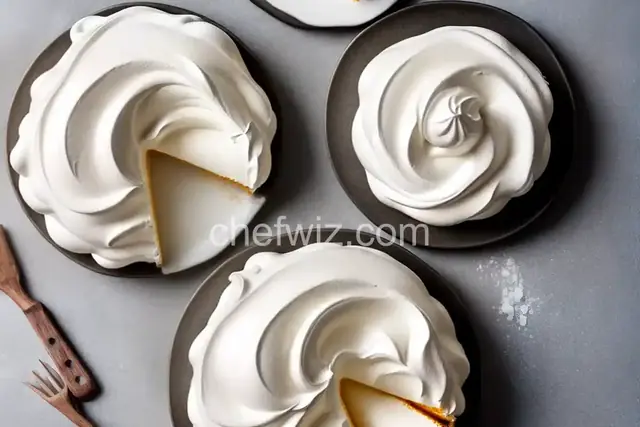
When placing the meringue in the oven, make sure to use parchment paper or a silicone baking mat to prevent it from sticking. You can pipe the meringue into various shapes or spread it out into a smooth layer, depending on your desired outcome. Remember to be patient during the baking process, as it can take anywhere from 1 to 2 hours, depending on the size and thickness of your meringue.
Once your meringue is baked to perfection, it's important to store it correctly to maintain its crispness. Keep it in an airtight container at room temperature, away from any moisture or humidity. This will ensure that it stays light and crunchy for days.
When it comes to serving your meringue, the possibilities are endless. You can top it with fresh fruits, drizzle it with chocolate sauce, or even sandwich it between layers of cream and fruit for a show-stopping dessert. The light and airy texture of a good meringue will add a touch of elegance to any sweet creation.
Creating a good meringue is an art that requires precision and patience. By understanding the right ratios, whipping techniques, and baking methods, you can achieve meringue perfection. So, next time you're in the mood for a sweet treat, don't hesitate to whip up a batch of this delightful confection. Your taste buds will thank you!
Yes, you can use granulated sugar in your meringue. However, powdered sugar is recommended as it dissolves more easily and results in a smoother texture.
Absolutely! You can add flavorings such as vanilla extract, almond extract, or citrus zest to your meringue for an extra burst of flavor.
Yes, you can make meringue using a hand mixer as well. Just make sure to beat the egg whites until they form stiff peaks, similar to the instructions mentioned earlier.
While it's not recommended to freeze meringue, you can store it in the freezer for a short period of time. Just make sure to wrap it tightly in plastic wrap to prevent any moisture from getting in.
Yes, pasteurized egg whites can be used for meringue. They are a convenient option if you're concerned about consuming raw egg whites.
Meringue can collapse if it is under-whipped or if there is any grease or moisture present in the mixing bowl or beaters. Make sure to follow the instructions carefully and use clean equipment.
Absolutely! You can add a few drops of food coloring to your meringue to give it a vibrant and fun look.
Yes, meringue is naturally gluten-free as it is made from egg whites and sugar. However, it's important to check any additional ingredients you may be adding for gluten content.
AprilCook, recipe developer and the heart of Chefwiz. More about April