Mashed Potatoes
Rate this recipeBe the first to rate
 By AprilPublished
 Who doesn't love a heaping serving of creamy, fluffy mashed potatoes?
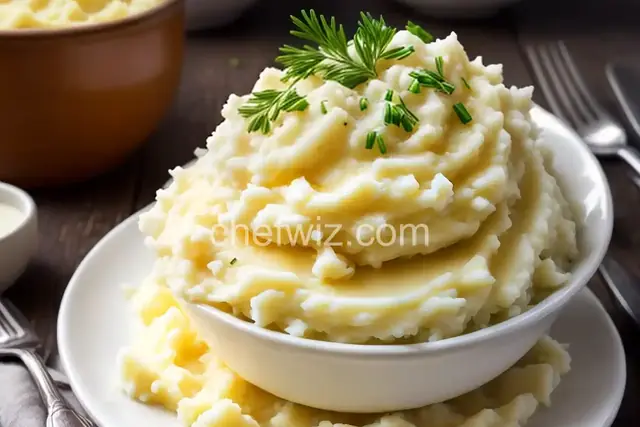 By AprilPublished
 Who doesn't love a heaping serving of creamy, fluffy mashed potatoes?
In a large pot, add potatoes and enough water to cover them. Sprinkle in a generous amount of salt.
Bring the pot to a boil and cook the potatoes until they are very soft, approximately 16 to 18 minutes.
Once cooked, drain the water from the pot and return the potatoes to the pot.
Use a potato masher to mash the potatoes until they are smooth in texture.
In a small saucepan, melt the butter and milk together until they are warm.
Pour the warm milk-butter mixture over the mashed potatoes and stir well until everything is fully combined and creamy.
Add the sour cream to the potato mixture and continue stirring until it is fully incorporated.
Season the mashed potatoes generously with salt and pepper, adjusting the amount to taste.
Transfer the mashed potatoes to a serving bowl and top them with the remaining two tablespoons of butter.
Before serving, sprinkle some additional pepper over the top of the potatoes for added flavor.
Who doesn't love a heaping serving of creamy, fluffy mashed potatoes? This classic side dish is a staple on dinner tables around the world. Whether you enjoy them as a comforting accompaniment to a hearty meal or as the star of the show, mashed potatoes are sure to satisfy your taste buds.
Creating the perfect mashed potatoes requires a delicate balance of technique and ingredients. The first step is choosing the right type of potato. Russet potatoes are ideal due to their high starch content, which results in a light and fluffy texture. Yukon gold potatoes are another great option, offering a buttery flavor.
Next, it's time to cook the potatoes. Boiling them until tender is the most common method, but you can also steam them for a different texture. Once cooked, drain the potatoes and return them to the pot. This allows any excess moisture to evaporate, resulting in a drier potato that absorbs flavors better.
Now comes the fun part – mashing the potatoes! While a potato masher works well, you can also use a fork or a ricer. For ultra-smooth mashed potatoes, consider using a food mill. The key is to avoid over-mixing, as this can lead to gummy potatoes. Instead, gently fold in your desired mix-ins, such as butter, milk, cream, or sour cream.
While classic mashed potatoes are undeniably delicious, why not take them to the next level? Adding ingredients like garlic, herbs, cheese, or roasted vegetables can elevate the flavor profile and add depth to your dish. Experiment with different combinations to find your signature mashed potato recipe.
For a healthier twist, consider swapping out some of the butter and cream for Greek yogurt or cauliflower puree. These alternatives add creaminess without the extra calories. You can also use chicken or vegetable broth instead of milk for a lighter option.
Despite its simplicity, making mashed potatoes can sometimes be a bit tricky. Here are a few common issues and how to fix them:
Yes, you can make mashed potatoes ahead of time. Simply prepare them as usual, then store them in an airtight container in the refrigerator. When ready to serve, reheat them on the stovetop or in the microwave, adding a splash of milk or cream to restore their creamy texture.
Absolutely! Freezing mashed potatoes is a convenient way to have them on hand for future meals. To freeze, transfer the mashed potatoes to a freezer-safe container and seal tightly. When ready to enjoy, thaw them overnight in the refrigerator and reheat as desired.
Mashed potatoes can be stored in the refrigerator for up to 3-5 days. Make sure to keep them in an airtight container to maintain their freshness.
While russet and Yukon gold potatoes are the most commonly used for mashed potatoes, you can experiment with other varieties as well. Red potatoes, for example, offer a creamier texture and a slightly sweeter taste.
Absolutely! To make vegan mashed potatoes, simply substitute dairy products with plant-based alternatives. Use olive oil or vegan butter instead of regular butter, and opt for almond milk or coconut milk instead of dairy milk or cream.
Yes, adding cheese to mashed potatoes can take them to a whole new level of deliciousness. Cheddar, Parmesan, and Gruyere are popular choices that melt beautifully into the potatoes.
Absolutely! Leaving the skin on the potatoes can add a rustic touch to your mashed potatoes. Just make sure to wash the potatoes thoroughly before cooking and mash them as usual.
While it may be tempting to use a blender or food processor for a quick and easy mash, it's best to avoid them. These appliances can overwork the potatoes, resulting in a gluey texture. Stick to a potato masher, fork, or ricer for the best results.
In conclusion, mashed potatoes are a versatile and beloved dish that can be customized to suit any taste. Whether you prefer classic and creamy or a twist with unique flavors, the art of making perfect mashed potatoes is within reach. With a little practice and experimentation, you'll be serving up delicious mashed potatoes that will leave everyone coming back for seconds.
AprilCook, recipe developer and the heart of Chefwiz. More about April