Cassoulet
Rate this recipeBe the first to rate
 By AprilPublished
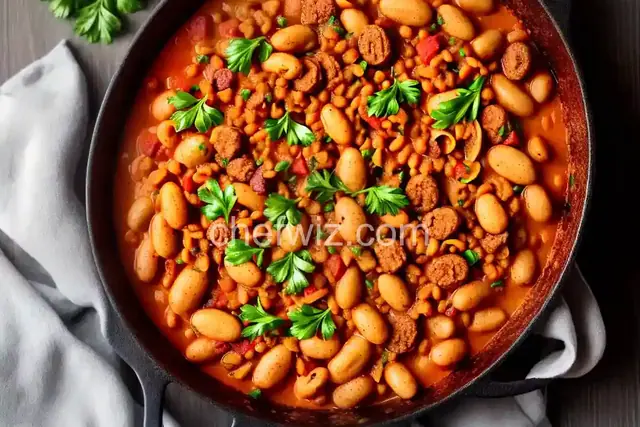
 When it comes to comfort food, few dishes can rival the rich and satisfying flavors of a traditional French cassoulet.
 By AprilPublished
 When it comes to comfort food, few dishes can rival the rich and satisfying flavors of a traditional French cassoulet.
In a large bowl, add beans and enough water to cover them by 2 inches. Stir in salt. Let the beans soak for at least 8 hours or up to 12 hours. Then, drain and rinse the beans.
In a large pot over high heat, bring the soaked beans, broth, carrot, celery, thyme, and bay leaves to a boil. Reduce the heat to medium, cover the pot, and let the beans simmer for 45 minutes to 1 hour, or until they are just tender with a slight bite. Drain the beans using a colander set over a large bowl, and keep the liquid aside. Discard the cooked veggies and herbs. Return the drained beans to the pot and set aside.
Preheat the oven to 325°F and position a rack in the lower third.
In a large Dutch oven over medium heat, cook the pork belly until it turns golden and crispy, which takes about 10 minutes. Use a slotted spoon to transfer the pork belly to a plate.
Pat the chicken dry with paper towels and lightly season it with salt and pepper. In the same pot over medium-high heat, cook the chicken in the pork fat, turning it occasionally, until the skin becomes golden, approximately 5 minutes per side. Transfer the chicken to the plate with the pork. In the same pot, cook the sausage over medium-high heat, turning it occasionally, until it turns golden, which
When it comes to comfort food, few dishes can rival the rich and satisfying flavors of a traditional French cassoulet. This slow-cooked casserole is a perfect combination of tender meats, hearty beans, and aromatic herbs, making it a go-to dish for chilly nights or gatherings with loved ones. In this article, we will explore the origins of cassoulet, its key ingredients, and why it has become a beloved classic in French cuisine.
Like many iconic dishes, the exact origins of cassoulet are shrouded in mystery and debated among food historians. Some believe it originated in the Languedoc region of France, while others attribute its creation to the city of Toulouse. Regardless of its birthplace, cassoulet has become a staple in French cooking, loved by both locals and visitors alike.
At the heart of cassoulet are three key ingredients: meat, beans, and herbs. Traditional recipes call for a combination of white beans, such as haricot beans or cannellini beans, and a medley of meats, including pork sausages, lamb, and duck confit. These ingredients are then simmered together with aromatic herbs like thyme, rosemary, and bay leaves, creating a symphony of flavors.
Preparing a cassoulet is not for the impatient. The dish requires time and attention to detail to achieve its signature depth of flavor. The meats are often browned before being added to the bean stew, allowing their juices to infuse the dish with richness. The cassoulet is then slowly cooked in the oven for hours, allowing the flavors to meld together and the beans to become tender.
Cassoulet is not just a dish; it is an experience. The process of making a cassoulet is a labor of love, and the end result is a dish that is supremely comforting and satisfying. The combination of tender meats, creamy beans, and fragrant herbs creates a symphony of flavors that is hard to resist. Every bite is a reminder of the rich culinary traditions of France.
Moreover, cassoulet is a dish that brings people together. It is often enjoyed as a communal meal, with family and friends gathering around the table to savor its delights. The act of sharing a cassoulet is a celebration of good food and good company, making it a perfect choice for special occasions or intimate gatherings.
Absolutely! You can swap the meat for hearty vegetables like mushrooms, eggplant, and carrots to create a delicious vegetarian cassoulet.
While dried beans are traditional, you can certainly use canned beans for convenience. Just be sure to drain and rinse them before using.
Yes, you can adapt the recipe for a slow cooker. Brown the meats and sauté the vegetables before transferring everything to the slow cooker and cooking on low for 6-8 hours.
Absolutely! Cassoulet freezes well, making it a great make-ahead option. Just be sure to cool it completely before transferring it to freezer-safe containers.
Cassoulet is a complete meal on its own, but you can serve it with crusty bread or a simple green salad to complement the flavors.
Cassoulet can be refrigerated for up to 3-4 days. Reheat it gently on the stovetop or in the oven, adding a splash of broth if needed.
A robust red wine, such as a Syrah or a Côtes du Rhône, pairs beautifully with the rich flavors of cassoulet.
Yes, cassoulet actually tastes better when made in advance. The flavors have time to meld together, resulting in an even more delicious dish.
Cassoulet is a hearty and indulgent dish, so it may not fit into a strict diet plan. However, it is a nourishing and satisfying meal that can be enjoyed in moderation.
In conclusion, cassoulet is a dish that embodies the essence of French comfort food. Its rich flavors, tender meats, and creamy beans make it a favorite among food enthusiasts around the world. Whether you're looking for a cozy meal on a cold evening or a dish to impress your guests, cassoulet is sure to deliver a memorable dining experience. So, gather your loved ones, savor the flavors, and let cassoulet transport you to the heart of France.
AprilCook, recipe developer and the heart of Chefwiz. More about April