Marjolaine
Rate this recipeBe the first to rate
 By AprilPublished
 Have you ever tasted a dessert that left you speechless? A dessert so exquisite that it felt like a symphony of flavors dancing on your taste buds?
 By AprilPublished
 Have you ever tasted a dessert that left you speechless? A dessert so exquisite that it felt like a symphony of flavors dancing on your taste buds?
Preheat the oven to 350°F (180°C) and line two 11-by-17-inch (28-by-43-cm) rimmed baking sheets with parchment paper.
Spread hazelnut powder on another rimmed baking sheet and bake for about 5 minutes, until it smells like roasting nuts. Remove from the oven and let it cool in a bowl.
In a stand mixer fitted with the whip attachment (or by hand), whip together the eggs and 1⅔ cups (180 g) of powdered sugar until white and creamy. Fold in the hazelnut powder and flour using a rubber spatula until thoroughly combined. Transfer the mixture to a large bowl and rinse the whip attachment and mixer bowl, drying them thoroughly.
Refit the whip attachment to the mixer and add the egg whites, remaining 5 tablespoons (40 g) of powdered sugar, and salt to the bowl. Beat until stiff peaks form. Gently fold the beaten whites into the egg-hazelnut mixture until no streaks are visible.
Divide the batter evenly between the prepared baking sheets and spread to level with a spatula. Bake for 11 minutes, or until lightly browned and set. Let cool in the pans on wire racks for about 10 minutes, then remove the parchment paper from the cakes. Let cool completely.
To make the ganache, place the chocolate in a bowl. In a small saucepan, bring
Have you ever tasted a dessert that left you speechless? A dessert so exquisite that it felt like a symphony of flavors dancing on your taste buds? Marjolaine is one such indulgence that can transport you to a world of pure bliss. In this article, we will explore the fascinating story behind this culinary masterpiece and unravel its secrets. So, fasten your seatbelts as we embark on a tantalizing journey!
Like every great creation, Marjolaine has a captivating origin story. This delightful dessert was invented by the legendary French pastry chef, Fernand Point, back in the 1950s. Inspired by his love for layering flavors, he sought to create a dessert that would harmonize different elements into a symphony of taste.
Imagine a dessert that combines the richness of chocolate, the crunchiness of nuts, and the lightness of cream. Marjolaine achieves this delicate balance by layering these components meticulously. Each layer brings a unique texture and flavor, creating a harmonious blend that is truly extraordinary.
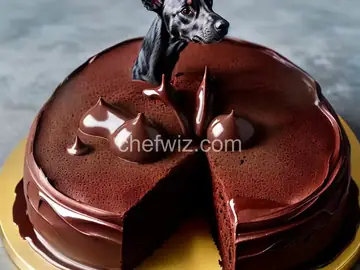
Marjolaine typically consists of layers of almond and hazelnut meringue, praline buttercream, and ganache, all delicately stacked together. The meringue layers provide a light and crispy base, while the buttercream adds a velvety richness. The ganache, with its smooth and luscious texture, completes this symphony of flavors.
Marjolaine is not just a dessert; it is a celebration of texture and taste. With each bite, you experience a delightful interplay of sensations. The crispy meringue layers contrast with the creamy buttercream, creating a delightful textural dance in your mouth. And let's not forget the rich and decadent ganache, which adds a touch of indulgence to every spoonful.
Marjolaine is a versatile dessert that pairs beautifully with a variety of flavors. The nuttiness of the meringue layers complements the sweetness of caramel or the tanginess of fruity coulis. If you're feeling adventurous, you can even try pairing it with a hint of citrus or a drizzle of dark chocolate sauce.
Marjolaine is not only a treat for the taste buds but also a feast for the eyes. Its elegant layers and intricate decorations make it a true work of art. From delicate chocolate curls to finely chopped nuts, each element is carefully placed to create a visually stunning masterpiece that is as pleasing to look at as it is to devour.
Marjolaine is more than just a dessert; it is a testament to the artistry of pastry-making. Its delicate balance of flavors and textures is a true culinary masterpiece that continues to captivate dessert enthusiasts around the world. So, the next time you crave a dessert that is both visually stunning and incredibly delicious, indulge in a slice of Marjolaine and let your taste buds embark on a journey they won't soon forget!
Marjolaine requires some skill and precision, but with a little practice, anyone can create this culinary marvel.
While the traditional Marjolaine recipe includes nuts, you can experiment with nut-free alternatives like seeds or additional layers of meringue.
Marjolaine is best enjoyed within a day or two of preparation to maintain its optimal texture and taste.
While freezing Marjolaine is possible, it may affect the texture of the dessert. It is best to consume it fresh for the best experience.
Absolutely! You can experiment with different flavors and fillings to create your own unique twist on this classic dessert.
Marjolaine is naturally gluten-free, making it a delightful option for those with gluten sensitivities or dietary restrictions.
Marjolaine can be prepared in advance, but it is recommended to assemble it shortly before serving to maintain its freshness.
While the classic Marjolaine recipe remains popular, chefs often put their own spin on it by incorporating different flavors and textures.
AprilCook, recipe developer and the heart of Chefwiz. More about April