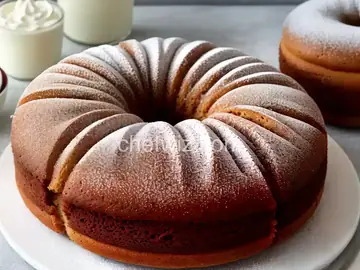
Superb English Plum Pudding
Rate this recipeBe the first to rate
 By AprilPublished
 Are you ready to dive into the rich and festive world of English plum pudding?
 By AprilPublished
 Are you ready to dive into the rich and festive world of English plum pudding?
In a blender, combine the fruits, citron, peel, spices, and suet. Transfer the mixture to a bowl or jar.
Pour 1/4 cup of cognac over the mixture and seal the bowl or jar tightly. Place it in the refrigerator for 4 days.
Each day, add an additional 1/4 cup of cognac to the mixture.
In a separate bowl, soak the bread crumbs in milk and sherry or port.
In another bowl, beat the eggs and sugar until well combined.
Mix the soaked bread crumbs and egg mixture with the fruit mixture. Add salt and blend thoroughly.
Grease buttered bowls or tins and fill them about 2/3 full with the pudding mixture.
Cover the bowls or tins tightly with foil and secure it in place.
Steam the puddings for 6-7 hours.
After steaming, remove the foil and transfer the puddings to a preheated oven at 250°F for 30 minutes.
Pour a small amount of cognac over each pudding and cover them again with foil.
Store the covered puddings in a cool place.
When ready to serve, steam the puddings for an additional 2-3 hours and then unmold them.
Sprinkle sugar over the puddings and pour heated cognac on top.
Ignite the cognac
Are you ready to dive into the rich and festive world of English plum pudding? This delectable dessert has been a holiday staple in British households for centuries. Picture a dense, moist pudding filled with plump dried fruits, spices, and a touch of brandy. The flavors meld together to create a symphony on your taste buds. In this article, we will explore the history and traditions of plum pudding, as well as provide answers to some commonly asked questions. So, let's dig in!
Plum pudding, also known as Christmas pudding, has a fascinating history that dates back to medieval times. It was originally made with meat, suet, and spices, and was often served as a savory dish. Over time, the recipe evolved to include dried fruits, breadcrumbs, and alcohol, transforming it into the sweet and indulgent dessert we know today.
During the Victorian era, plum pudding became synonymous with Christmas celebrations. It was traditionally prepared on Stir-up Sunday, which falls on the last Sunday before Advent. Family members would take turns stirring the mixture and making a wish. Coins and trinkets were sometimes hidden in the pudding, bringing luck to whoever found them.
Creating a superb English plum pudding requires a bit of time and effort, but the results are well worth it. The key to a moist and flavorful pudding lies in soaking the dried fruits in brandy or another spirit overnight. This step allows the fruits to plump up and infuse the pudding with their delicious essence.
Once the fruit is ready, it is mixed with breadcrumbs, suet, sugar, spices, and eggs. The mixture is then steamed for several hours, which ensures that the pudding retains its moisture and develops a rich, dense texture. The final touch is a generous drizzle of brandy before serving, which adds a delightful boozy kick to each bite.
Plum pudding is traditionally served on Christmas Day, often accompanied by a flaming brandy sauce or a dollop of clotted cream. The pudding itself is usually presented in all its glory, adorned with a sprig of holly and dusted with powdered sugar. As a festive centerpiece, it brings joy and warmth to the table, creating a sense of tradition and togetherness.
When it comes to savoring this delightful dessert, the experience is akin to unwrapping a gift. With each spoonful, you uncover a treasure trove of flavors and textures. The moistness of the pudding, the sweetness of the fruits, and the warmth of the spices blend harmoniously, leaving you with a sense of satisfaction and contentment.
Superb English plum pudding is a timeless dessert that brings joy and warmth to the holiday season. Its rich flavors and centuries-old traditions make it a true delight to savor. Whether you serve it with a flaming brandy sauce or enjoy it on its own, this indulgent treat is sure to create lasting memories. So, gather your loved ones, stir up the mixture, and let the magic of plum pudding unfold!
Yes, you can substitute the alcohol with fruit juice or apple cider for a non-alcoholic version. The flavors will still be delicious!
If stored properly in an airtight container, plum pudding can last for several weeks. Some even argue that it tastes better with age!
Absolutely! You can reheat individual portions of plum pudding in the microwave or steam the entire pudding again before serving.
Yes, you can freeze plum pudding. Just make sure to wrap it tightly in plastic wrap and place it in a freezer-safe bag or container.
Yes, you can substitute gluten-free breadcrumbs or almond flour for a gluten-free version. Just ensure that all other ingredients are also gluten-free.
Absolutely! You can replace the eggs with mashed banana or applesauce and use vegetable suet or coconut oil instead of animal-based fats.
Definitely! Feel free to experiment with different combinations of dried fruits, such as apricots, cranberries, or figs, to create your own unique twist on this classic dessert.
While both desserts feature dried fruits, spices, and often alcohol, plum pudding and fruitcake are distinct. Plum pudding is steamed, resulting in a moist and dense texture, whereas fruitcake is baked and has a lighter crumb.
AprilCook, recipe developer and the heart of Chefwiz. More about April