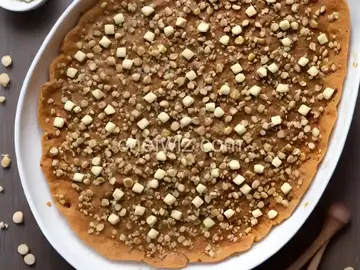
Italian Doughnuts
Rate this recipeBe the first to rate
 By AprilPublished
 Who doesn't love a warm, fluffy doughnut? Italian doughnuts, also known as ciambelle, are a delicious treat that will satisfy any sweet tooth.
 By AprilPublished
 Who doesn't love a warm, fluffy doughnut? Italian doughnuts, also known as ciambelle, are a delicious treat that will satisfy any sweet tooth.
In a large frying pan, pour an equal amount of vegetable oil and olive oil until it reaches a depth of 2 inches.
Heat the oil over medium heat until it reaches a temperature of 375 degrees F, as indicated by a deep-fry thermometer.
On a surface lightly dusted with flour, roll out the dough until it is 1/2-inch thick.
Using a 2-inch cookie cutter coated with flour, cut out doughnut rounds.
Use a 1-inch cookie cutter coated with flour to cut out a hole in the center of each doughnut.
Gather the remaining dough scraps and roll them out again to cut out additional doughnuts.
In a medium bowl, whisk together the sugar and cinnamon until well combined. Set the cinnamon-sugar mixture aside.
Once the oil is hot, fry the doughnuts in batches. Cook until they puff up and turn pale, approximately 45 seconds per side.
Using a slotted spoon, transfer the fried doughnuts to paper towels to drain excess oil. Allow them to cool slightly.
While the doughnuts are still warm, place them in the bowl with the cinnamon-sugar mixture. Coat each doughnut generously with the mixture, repeating the process twice.
Serve the doughnuts while they are still warm.
Alternatively, if you prefer, allow the fried doughnuts to cool to room temperature.
In a small sauce
Who doesn't love a warm, fluffy doughnut? Italian doughnuts, also known as ciambelle, are a delicious treat that will satisfy any sweet tooth. These delightful pastries are not only popular in Italy but have also gained popularity around the world. In this article, we will explore the history, variations, and tips for making these delectable Italian treats.
Italian doughnuts have a rich history that dates back centuries. The origins of these delightful treats can be traced back to ancient Rome, where they were known as "globi." These doughnuts were made from a mixture of flour, eggs, and milk and were often flavored with honey or wine.
As time went on, the recipe for Italian doughnuts evolved. In the Middle Ages, ingredients such as sugar and yeast were introduced, giving the doughnuts a sweeter and lighter texture. The doughnuts became a popular treat during festivals and celebrations, and their popularity spread throughout Italy.
Italian doughnuts come in various shapes and flavors, each with its own unique twist. The classic Italian doughnut is a simple ring-shaped pastry that is deep-fried until golden brown. These doughnuts are often dusted with powdered sugar or glazed with a sweet syrup.
One popular variation of Italian doughnuts is the bomboloni. These doughnuts are filled with a variety of sweet fillings, such as Nutella, jam, or pastry cream. Bomboloni are a favorite among children and adults alike, and they make a perfect indulgence for breakfast or dessert.
Regardless of the variation, Italian doughnuts are always a crowd pleaser. Their light and airy texture, combined with the sweet flavors, make them irresistible to anyone with a sweet tooth.
If you're feeling inspired to make your own Italian doughnuts, here are a few tips to ensure success:
Italian doughnuts require a soft wheat flour, such as all-purpose flour or 00 flour. This type of flour has a lower protein content, which helps create a lighter and more tender doughnut.
After mixing the dough, it's important to let it rise for at least an hour. This allows the yeast to work its magic and gives the doughnuts their fluffy texture.
For perfectly golden doughnuts, fry them at around 350°F (175°C). This temperature ensures that the doughnuts cook evenly and develop a crispy exterior.
After frying the doughnuts, place them on a paper towel-lined plate to drain any excess oil. This will prevent them from becoming greasy.
While powdered sugar and glaze are classic toppings for Italian doughnuts, don't be afraid to get creative. Try dipping them in melted chocolate, rolling them in cinnamon sugar, or adding sprinkles for a fun twist.
With these tips in mind, you'll be well on your way to creating a batch of delicious Italian doughnuts that will impress your friends and family.
Italian doughnuts are a beloved treat that has stood the test of time. Whether you prefer the classic ring-shaped doughnut or the indulgent bomboloni, there is a variation to suit every taste. By following a few simple tips, you can recreate these delectable pastries in your own kitchen. So why wait? Get frying and enjoy the sweet taste of Italy!
No, Italian doughnuts have a slightly different texture and flavor compared to American doughnuts. Italian doughnuts are lighter and less sweet, while American doughnuts are often denser and sweeter.
Yes, you can make Italian doughnuts without a deep fryer. Simply heat a large pot of oil on the stovetop and use a candy thermometer to monitor the temperature.
Italian doughnuts are best enjoyed fresh on the day they are made. However, they can be stored in an airtight container for up to two days.
Yes, Italian doughnuts can be frozen. Allow them to cool completely, then place them in a freezer-safe container or bag. They can be frozen for up to three months.
Italian doughnuts are traditionally deep-fried, but you can experiment with baking them for a healthier alternative. However, keep in mind that the texture and flavor may be slightly different.
Vegetable oil or canola oil is commonly used for frying Italian doughnuts. These oils have a high smoke point and a neutral flavor, allowing the doughnuts to cook evenly without imparting any unwanted taste.
Yes, you can make gluten-free Italian doughnuts by using a gluten-free flour blend in place of regular flour. However, keep in mind that the texture and taste may differ slightly.
Italian doughnuts are typically served warm, shortly after they are fried. However, they can also be enjoyed at room temperature.
AprilCook, recipe developer and the heart of Chefwiz. More about April