How To Boil Cabbage
Rate this recipeBe the first to rate
 By AprilPublished
 Boiling cabbage may seem like a simple task, but did you know that there are a few tricks to ensure that your cabbage turns out perfectly tender and flavorful?
 By AprilPublished
 Boiling cabbage may seem like a simple task, but did you know that there are a few tricks to ensure that your cabbage turns out perfectly tender and flavorful?
Prepare the cabbage by either cutting it into wedges or slicing it thinly.
In a large pot, bring salted water to a boil.
Add the cabbage to the boiling water. It's fine to add a lot of cabbage as it will shrink during cooking.
Boil the cabbage until it becomes tender. This usually takes around 5 minutes for shredded cabbage and 10 minutes for wedges.
Once cooked, drain the cabbage on a plate lined with paper towels to remove excess moisture.
Before serving, season the cabbage with salt and pepper to taste.
Boiling cabbage may seem like a simple task, but did you know that there are a few tricks to ensure that your cabbage turns out perfectly tender and flavorful? In this article, we'll explore the art of boiling cabbage and share some tips and tricks to help you achieve the best results. So, grab a pot, put on your apron, and let's get started!
Boiling cabbage is a fantastic way to cook this versatile vegetable. Not only does it help to soften the cabbage leaves, making them tender and easy to chew, but it also brings out the natural sweetness of the cabbage. Boiling is a gentle cooking method that allows the flavors of the cabbage to shine through, creating a delicious side dish that pairs well with a variety of meals.
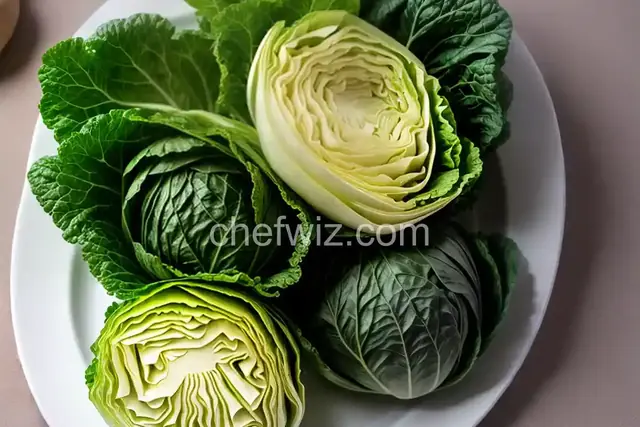
Before we dive into the boiling process, it's important to choose the right cabbage. Look for a cabbage head that is firm, with crisp leaves and a vibrant green color. Avoid cabbages that have soft spots or browning leaves, as these may indicate spoilage.
Once you have selected your cabbage, it's time to prepare it for boiling. Start by removing any outer leaves that may be wilted or damaged. Rinse the cabbage thoroughly under cold water to remove any dirt or debris that may be trapped between the leaves. Cut the cabbage into quarters or wedges, removing the tough core from each piece.
Now that your cabbage is prepped and ready, it's time to start boiling. Fill a large pot with water and bring it to a boil over high heat. Add a generous pinch of salt to the boiling water - this will help to enhance the flavor of the cabbage as it cooks. Gently place the cabbage wedges into the pot, making sure they are fully submerged in the boiling water.
Cook the cabbage for about 8-10 minutes, or until the leaves are tender when pierced with a fork. Be careful not to overcook the cabbage, as this can result in mushy and unappetizing cabbage. Once the cabbage is done, carefully remove it from the pot using a slotted spoon or tongs, and transfer it to a serving dish.
While boiled cabbage is delicious on its own, you can take it to the next level by adding some additional flavors. Consider adding a pat of butter, a sprinkle of salt and pepper, or even a drizzle of balsamic vinegar for a tangy twist. You can also experiment with adding herbs and spices, such as garlic, thyme, or paprika, to infuse the cabbage with even more flavor.
Boiling cabbage is a simple yet satisfying way to enjoy this nutritious vegetable. By following these tips and tricks, you can ensure that your boiled cabbage turns out tender, flavorful, and absolutely delicious. So, the next time you have a head of cabbage sitting in your fridge, don't hesitate to give it a good boil and enjoy the wonderful flavors that await!
Boiling cabbage usually takes about 8-10 minutes, or until the leaves are tender when pierced with a fork.
Absolutely! Boiling cabbage with other vegetables like carrots or potatoes can create a delicious medley of flavors.
While it's possible to freeze boiled cabbage, the texture may change once thawed. It's best to enjoy boiled cabbage fresh.
To prevent the smell of cabbage from permeating your kitchen, add a small piece of bread to the boiling pot. The bread will absorb the odor.
While adding salt is recommended for enhancing the flavor, you can still boil cabbage without it. Just be aware that the taste may be slightly bland.
Absolutely! Boiled cabbage can be used in various recipes, such as soups, stews, stir-fries, or even as a topping for salads.
The cabbage is done boiling when the leaves are tender and can be easily pierced with a fork.
Yes, you can reheat boiled cabbage. Simply place it in a microwave-safe dish and heat it in short intervals, stirring occasionally, until it reaches the desired temperature.
AprilCook, recipe developer and the heart of Chefwiz. More about April