Basic Pesto
Rate this recipeBe the first to rate
 By AprilPublished
 Picture this: You take a bite of a dish, and suddenly, your taste buds are awakened by a burst of vibrant flavors.
 By AprilPublished
 Picture this: You take a bite of a dish, and suddenly, your taste buds are awakened by a burst of vibrant flavors.
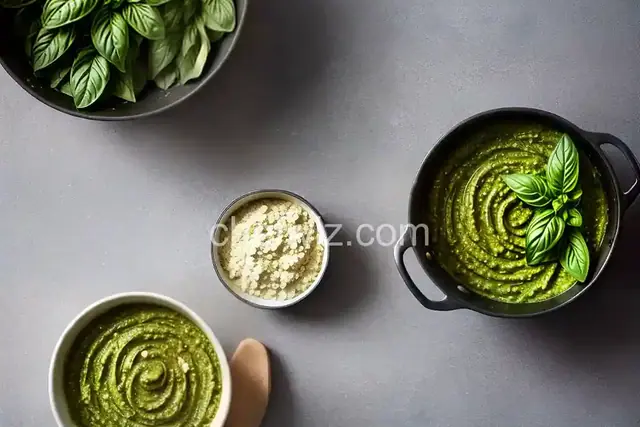
Using a food processor, combine basil, oil, pine nuts, garlic, and a generous pinch of salt. Pulse the ingredients until they form a smooth mixture.
Transfer the basil mixture to a medium-sized bowl and mix in the Parmesan cheese. Add more salt to taste, if desired.
If planning to make ahead, the pesto can be prepared up to 1 week in advance. Store it in an airtight container and refrigerate.
Picture this: You take a bite of a dish, and suddenly, your taste buds are awakened by a burst of vibrant flavors. It's the magic of pesto! This versatile sauce can elevate any meal, from pasta to sandwiches and more. In this article, we will delve into the world of pesto, exploring its origins, ingredients, and the best ways to use it. So, let's embark on this culinary adventure together!
Pesto, derived from the Italian word "pestare" meaning "to pound," has its roots deeply embedded in Italian cuisine. It originated in the Liguria region of Northwest Italy, where the locals took advantage of the bountiful harvest of fresh basil. Traditionally, pesto was made by grinding together fresh basil leaves, garlic, pine nuts, Parmesan cheese, and olive oil using a mortar and pestle. This laborious process ensured a vibrant green sauce bursting with flavors.
Pesto is a harmonious blend of key ingredients that come together to create a delightful symphony of flavors. The star of the show is fresh basil, which lends its distinctive aroma and taste. Alongside basil, garlic adds a punch of pungency, while pine nuts provide a gentle nuttiness. Parmesan cheese brings a creamy and salty note to the mix, and olive oil provides the necessary smoothness and richness. These ingredients, when combined in the right proportions, create a pesto that is truly unforgettable.
While pesto is commonly associated with pasta dishes, its potential extends far beyond. Imagine slathering pesto on a freshly baked baguette, adding a burst of flavors to your sandwich. Or how about using it as a marinade for grilled chicken or fish, infusing them with its aromatic goodness? Pesto can also be drizzled over roasted vegetables, stirred into soups, or even used as a dip for your favorite snacks. Its versatility knows no bounds, allowing you to experiment and create culinary masterpieces.
In conclusion, pesto is more than just a sauce; it's a culinary adventure that awakens your taste buds with its vibrant flavors. Whether you choose to enjoy it with pasta, spread it on sandwiches, or explore its versatility in other dishes, pesto never fails to delight. So, go ahead, unleash your creativity, and savor the magic of pesto in your next meal. Bon appétit!
Absolutely! Pesto can be frozen in ice cube trays for easy portioning. Once frozen, transfer the pesto cubes to a freezer-safe bag and store them for up to three months. This way, you can enjoy the vibrant flavors of pesto any time you desire.
Certainly! Pesto is highly customizable. If you don't have pine nuts, you can try using walnuts, almonds, or even pistachios. Similarly, you can experiment with different cheeses, such as pecorino or asiago, to add your own twist to the sauce. Let your creativity run wild!
Traditional pesto contains Parmesan cheese, which is not vegan-friendly. However, you can easily make a vegan version by substituting the cheese with nutritional yeast or a vegan cheese alternative. This way, vegans can also savor the deliciousness of pesto.
Homemade pesto can be stored in an airtight container in the refrigerator for up to a week. To prevent discoloration, drizzle a thin layer of olive oil on top before storing. Alternatively, you can prolong its shelf life by freezing it in small portions for later use.
Absolutely! While basil is the traditional herb used in pesto, you can experiment with other leafy greens and herbs like spinach, arugula, or even cilantro. Each herb brings its unique flavor profile, giving you endless possibilities to explore.
Definitely! Pesto can be used as a flavorful alternative to tomato sauce on pizza. Spread a thin layer of pesto on the pizza dough, top it with your favorite ingredients, and bake to perfection. The result? A mouthwatering pizza with a delightful twist.
While garlic is a traditional ingredient in pesto, you can omit it if you're not a fan. The absence of garlic will allow the other flavors, such as basil and pine nuts, to shine. Adapt the recipe to your preferences, and you'll still enjoy a delicious pesto.
Absolutely! If you enjoy a bit of heat, you can add a touch of red pepper flakes or a sprinkle of cayenne pepper to your pesto. The spiciness will add a pleasant kick to the sauce, elevating your dish to new levels of flavor.
AprilCook, recipe developer and the heart of Chefwiz. More about April