Homemade Pesto: Unlocking the Secrets of this Flavorful Sauce
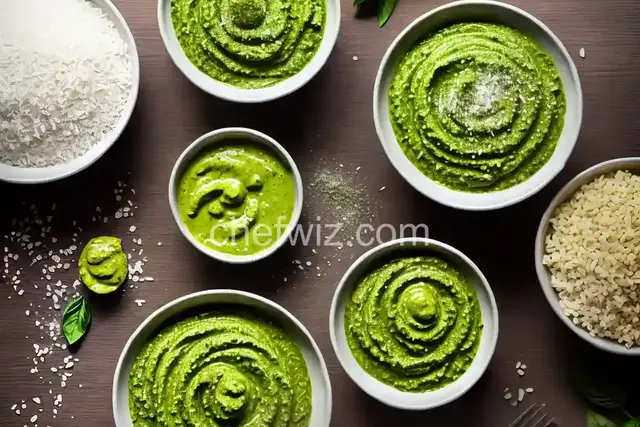
Have you ever had a taste of homemade pesto? The vibrant green color, the fresh aroma of basil, the nutty undertones of pine nuts, and the sharpness of garlic all come together in a symphony of flavors. It's a versatile sauce that can dress up any dish, from pasta to sandwiches to grilled vegetables. In this article, we'll delve into the secrets of making your own homemade pesto and explore the reasons why it's worth the effort.
The Magic of Fresh Ingredients
When it comes to pesto, fresh is the name of the game. Using fresh basil leaves not only adds a burst of flavor but also gives the sauce its vibrant green color. The same goes for garlic - using fresh cloves instead of pre-packaged minced garlic elevates the taste to a whole new level. And let's not forget about the pine nuts. These little gems are responsible for adding a rich nuttiness to the sauce. By using high-quality, fresh ingredients, you're ensuring that your homemade pesto will taste better than any store-bought version.
The Path to Perfect Consistency
One of the secrets to a great pesto lies in achieving the perfect consistency. Too thick, and it becomes difficult to spread or toss with pasta. Too thin, and it loses its body and flavor. The key is finding the right balance by gradually adding olive oil while blending the ingredients. This not only helps achieve the desired consistency but also enhances the flavor and texture of the sauce. It's like finding the perfect melody for a song - everything needs to harmonize just right.
Experimenting with Flavor Variations
While traditional pesto is made with basil, pine nuts, garlic, olive oil, and Parmesan cheese, there's no hard and fast rule that says you can't experiment with different flavors. You can try substituting the basil with other leafy herbs like cilantro or parsley, or even incorporate some sun-dried tomatoes for a tangy twist. The possibilities are endless, and by experimenting with various combinations, you might stumble upon your own signature pesto recipe.
Pesto Beyond Pasta
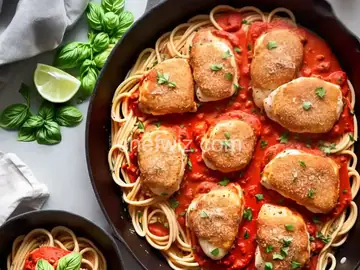
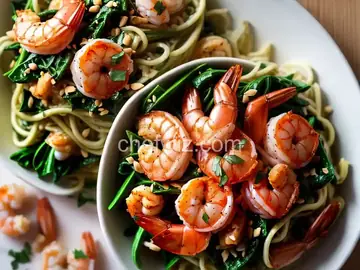
Pesto isn't just limited to pasta dishes. It can be used in so many creative ways to elevate your culinary creations. Spread it on sandwiches for an extra burst of flavor or use it as a marinade for grilled chicken or fish. You can even drizzle it over roasted vegetables or use it as a dip for bread. Pesto opens up a world of possibilities, allowing you to add a touch of freshness and complexity to your favorite dishes.
The Joy of Homemade
When you make pesto from scratch, you have full control over the ingredients and can customize it to your taste preferences. You can adjust the amount of garlic, add more cheese, or experiment with different herbs. Plus, there's something incredibly satisfying about creating a sauce with your own hands. Each time you take a bite of your homemade pesto, you can savor the hard work and love that went into making it.
In Conclusion
Homemade pesto is a culinary adventure worth embarking on. With its fresh flavors, versatility, and endless possibilities, it's a sauce that can transform any dish from ordinary to extraordinary. So, why settle for store-bought when you can create your own masterpiece? Give homemade pesto a try and unlock a world of delicious possibilities.
Frequently asked questions
- . Can I freeze homemade pesto?
Yes, you can freeze homemade pesto for future use. Simply divide it into small portions and store them in airtight containers or ice cube trays.
- . How long does homemade pesto last in the fridge?
Homemade pesto can last up to a week when stored in an airtight container in the refrigerator.
- . Can I substitute pine nuts with other nuts?
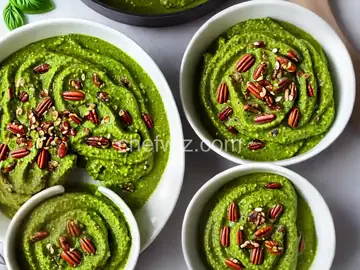
Absolutely! You can substitute pine nuts with walnuts, almonds, or even cashews. Each nut will add its own unique flavor to the pesto.
- . Can I make vegan pesto?
Yes, you can make vegan pesto by omitting the cheese or using a vegan alternative like nutritional yeast.
- . How do I prevent pesto from turning brown?
To prevent pesto from turning brown, you can blanch the basil leaves in boiling water for a few seconds before blending them.
- . Can I use a food processor instead of a blender?
Yes, a food processor can also be used to make pesto. Just make sure to pulse the ingredients instead of blending them continuously to achieve the desired consistency.
- . How much olive oil should I add?
The amount of olive oil depends on your desired consistency. Start with a small amount and gradually add more until you reach the desired thickness.
- . Can I make pesto without garlic?
While garlic adds a distinct flavor to pesto, you can omit it if you're not a fan. You can try adding other herbs or spices to enhance the flavor instead.
 By AprilPublished