Gâteau Basque
Rate this recipeBe the first to rate
 By AprilPublished
 Have you ever wanted to take a culinary journey to the beautiful Basque Country?
 By AprilPublished
 Have you ever wanted to take a culinary journey to the beautiful Basque Country?
In a small saucepan, combine the cherries, kirsch, and sugar. Cook over medium-low heat, stirring occasionally, until the sugar is dissolved and the cherries release their juices (about 5 minutes).
Continue to simmer the mixture briskly, swirling the saucepan occasionally and adjusting the heat if needed, until the cherries are soft and the juices are reduced to a thick syrup (10 to 15 minutes).
In a small bowl, whisk together the lemon juice and cornstarch until smooth. Stir this mixture into the cherry mixture and bring to a simmer for 20 seconds to activate the cornstarch.
Remove the compote from the heat, stir in the lemon zest, and transfer it to a 2-cup heatproof glass measuring cup. Make sure you have about 1¼ cups of compote. If you have more than a tablespoon or two extra, return it to the saucepan and cook it a bit longer.
Cover the compote and refrigerate it until cold and thickened, for at least 1 hour or up to 1 week.
In a medium bowl, whisk together the flour, baking powder, and salt. Set aside.
In a stand mixer fitted with the paddle attachment (or in a large bowl using a hand mixer), combine the butter and sugar. Beat on medium-high speed until the mixture is light and fluffy (about 4 minutes).
Turn off
Have you ever wanted to take a culinary journey to the beautiful Basque Country? Well, look no further than the delightful Gâteau Basque. This traditional pastry is a true testament to the rich history and vibrant flavors of the region. So, let's dive into the world of Gâteau Basque and discover what makes it so special.
Like many beloved dishes, the exact origins of Gâteau Basque are shrouded in mystery. Some say it originated as a simple peasant dessert, while others believe it was created by the skilled hands of Basque pastry chefs in the 19th century. Regardless of its humble beginnings, Gâteau Basque has become a staple in Basque cuisine and a must-try for any food lover.
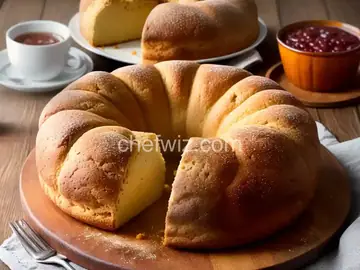
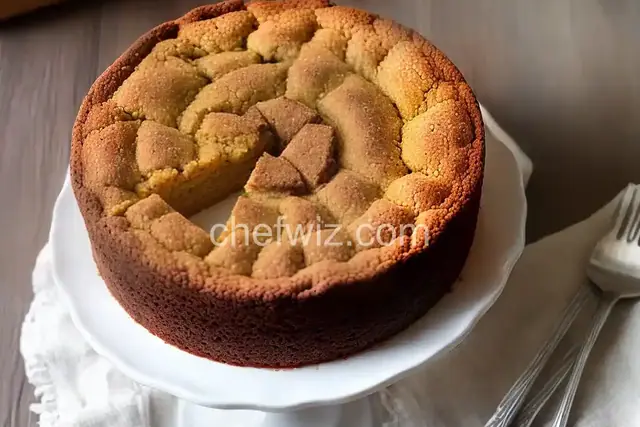
One of the things that sets Gâteau Basque apart is its unique texture. Picture this: a crisp and buttery exterior that gives way to a soft, tender interior. It's like biting into a cloud of pure bliss. The contrast between the delicate crust and the luscious filling is a match made in pastry heaven.
Now, let's talk about the filling. Traditionally, Gâteau Basque comes in two varieties: a smooth and velvety pastry cream or a rich and fruity black cherry jam. Both options are equally delicious, so why not try them both? It's the perfect excuse to have seconds, or even thirds!
Not only is Gâteau Basque a treat for the taste buds, but it's also a feast for the eyes. The top of the pastry is often adorned with beautiful lattice patterns or intricate designs, showcasing the skill and creativity of the pastry chef. It's almost too pretty to eat, but trust me, you won't be able to resist.
If you're feeling adventurous and want to try your hand at making Gâteau Basque at home, fear not! With a few simple ingredients and a little patience, you can recreate this Basque delight in your own kitchen. From mixing the dough to assembling the layers, the process is as enjoyable as the end result.
Now that you have a better understanding of Gâteau Basque, it's time to indulge in its delectable goodness. Whether you're savoring a slice at a quaint Basque café or enjoying it as a homemade treat, Gâteau Basque is sure to transport you to the picturesque landscapes and warm hospitality of the Basque Country.
Yes! While traditional fillings include pastry cream and black cherry jam, you can get creative and use other flavors like almond cream or raspberry preserves.
Gâteau Basque is best enjoyed within a few days of baking. However, if stored in an airtight container, it can stay fresh for up to a week.
Yes, you can freeze Gâteau Basque. Wrap it tightly in plastic wrap and place it in a freezer-safe container. When you're ready to enjoy it, simply thaw it in the refrigerator overnight.
Traditionally, Gâteau Basque is made with wheat flour, so it is not gluten-free. However, there are gluten-free versions available that use alternative flours like almond or rice flour.
Absolutely! Gâteau Basque is a versatile pastry that can be customized to your liking. You can add a hint of citrus zest to the dough or sprinkle some toasted almonds on top for an extra crunch.
While Gâteau Basque requires some time and patience, it is not overly complicated. With a little practice, you'll be able to master the art of this delightful pastry.
Yes, there are online retailers that specialize in delivering gourmet pastries, including Gâteau Basque, straight to your doorstep. It's a convenient option if you want to experience the flavors of the Basque Country without leaving your home.
While Gâteau Basque is deeply rooted in Basque cuisine, you can find similar pastries with different names and variations in other culinary traditions. For example, the Italian Torta della Nonna shares similarities with Gâteau Basque.
In conclusion, Gâteau Basque is a true gem of Basque cuisine. Its rich history, delightful textures, and tantalizing flavors make it a pastry worth savoring. Whether you're enjoying it at a local café or trying your hand at making it yourself, Gâteau Basque is a delightful treat that will transport you to the enchanting Basque Country.
AprilCook, recipe developer and the heart of Chefwiz. More about April