Festival (Jamaican Fried Cornmeal Dumplings)
Rate this recipeBe the first to rate
 By AprilPublished
 Have you ever tasted a festival? No, not the music-filled celebration with bright lights and dancing crowds.
 By AprilPublished
 Have you ever tasted a festival? No, not the music-filled celebration with bright lights and dancing crowds.
In a large mixing bowl, combine flour, cornmeal, brown sugar, baking powder, and salt.
If desired, add melted butter and vanilla to the mixture, along with 2 1/2 cups (590ml) water.
Use a clean hand to mix the ingredients until a firm yet elastic dough ball is formed. The dough should not be wet or sticky. If needed, add additional water, 1 tablespoon (15ml) at a time.
Wrap the dough ball in plastic wrap and let it rest for 10 minutes.
Transfer the dough to a work surface and divide it into either eighteen 4-ounce pieces for large festival or twenty-four 3-ounce pieces for smaller festival.
Lightly flour the work surface and your hands. Take one dough piece at a time and roll it into a long, fat cigar shape, about 6 to 8 inches long. Dust the surfaces and hands with flour as necessary.
Set an oven to keep warm or at its lowest setting. In a large Dutch oven or flat-bottomed wok, heat oil over medium-high heat until it reaches 350°F (175°C) on an instant-read thermometer.
To avoid overcrowding the oil, fry the dough cigars in batches of about 3 at a time. Fry them until golden on the first side for about 2 minutes, then flip and fry until the second side is golden for about 2
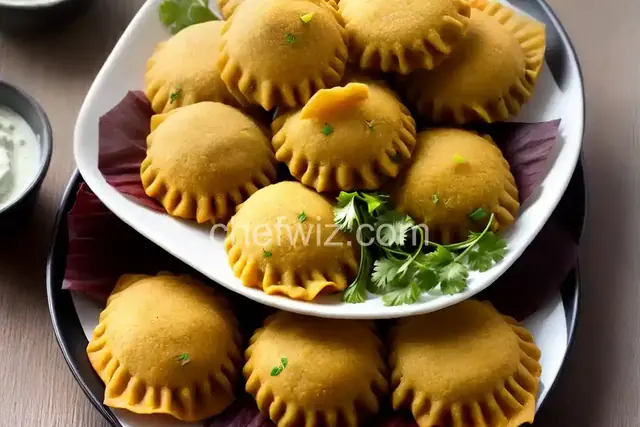
Have you ever tasted a festival? No, not the music-filled celebration with bright lights and dancing crowds. I'm talking about the delicious Jamaican fried cornmeal dumplings that will make your taste buds dance with joy. These golden beauties are a staple in Jamaican cuisine and are often served alongside savory dishes like jerk chicken or ackee and saltfish. In this article, we'll explore the delectable world of festivals and uncover their secrets.
Like many traditional dishes, festivals have a rich history that can be traced back to the days of slavery in Jamaica. It is believed that the name "festival" was given to these dumplings because they were often served during festive occasions, such as holidays and celebrations. The recipe itself has been passed down through generations, with each family adding their own unique twist.
Creating the perfect festival requires a delicate balance of ingredients and technique. The main ingredient, cornmeal, gives the dumplings their distinctive flavor and texture. Combined with flour, sugar, baking powder, and salt, the cornmeal forms a dough that is then shaped into small ovals or cylinders. These dumplings are then deep-fried until they achieve a golden brown color and a crispy outer layer. The result is a heavenly combination of flavors - crispy on the outside, soft and fluffy on the inside.
Ever wondered what makes festivals so incredibly light and airy? It's all in the technique. To achieve that perfect texture, it's essential to incorporate air into the dough. Some chefs achieve this by beating the dough vigorously before shaping it into dumplings. Others swear by adding a touch of baking powder to the mix. Whichever method you choose, the goal is to create a dough that is light and fluffy, ensuring that each bite of festival melts in your mouth.
While festivals are often enjoyed as a side dish, they can also take center stage in a variety of culinary creations. Imagine biting into a festival sandwich, where the crispy dumplings encase a juicy patty or a slice of succulent jerk chicken. Or how about using festivals as a base for a mouthwatering seafood salad? The possibilities are endless, and the versatility of festivals allows you to explore new flavor combinations and satisfy your culinary curiosity.
Food has a way of bringing people together, and festivals are no exception. In Jamaican culture, sharing a plate of festivals signifies friendship, camaraderie, and a celebration of life. Whether you're sitting down with family and friends for a traditional Sunday dinner or attending a vibrant Jamaican street party, festivals are a delicious symbol of togetherness. So why not invite your loved ones to join in the festivities and experience the joy of sharing these delectable dumplings?
In conclusion, festivals are not just a tasty treat; they are a cultural experience that embodies the spirit of Jamaican cuisine. From their humble origins to their versatility in the kitchen, festivals have become a beloved dish that brings people together. So next time you're craving something unique and flavorful, remember to indulge in the delightful world of Jamaican fried cornmeal dumplings. Your taste buds will thank you.
While deep-frying is the traditional method of cooking festivals, you can also try baking them in the oven for a healthier alternative. The texture may be slightly different, but they will still be delicious!
Absolutely! Festivals freeze well and can be reheated in the oven or on a stovetop when you're ready to enjoy them. Just make sure to store them in an airtight container or freezer bag to maintain their freshness.
Unfortunately, festivals are not gluten-free due to the inclusion of wheat flour in the recipe. However, you can try experimenting with gluten-free flours to create a similar texture and taste.
While sugar adds a touch of sweetness to festivals, you can omit it from the recipe if you prefer a savory version. The dumplings will still be delicious and pair well with savory dishes like jerk chicken or curry.
Yes, festivals can be made ahead of time and stored in the refrigerator for a day or two. When you're ready to serve them, simply reheat them in a skillet or oven until they are warmed through and crispy.
While corn flour and cornmeal are similar, they have different textures. Cornmeal is coarser, while corn flour is finer. It's best to use cornmeal for festivals to achieve the desired texture and flavor.
While cornmeal is the traditional grain used to make festivals, you can experiment with other grains like cassava or plantain flour for a unique twist. Just keep in mind that the texture and flavor may vary.
Festivals are not inherently spicy, but you can add spices like chili powder or cayenne pepper to the dough if you prefer a bit of heat. Adjust the amount of spice to your personal preference.
AprilCook, recipe developer and the heart of Chefwiz. More about April