Farinata (Italian Flatbread)
Rate this recipeBe the first to rate
 By AprilPublished
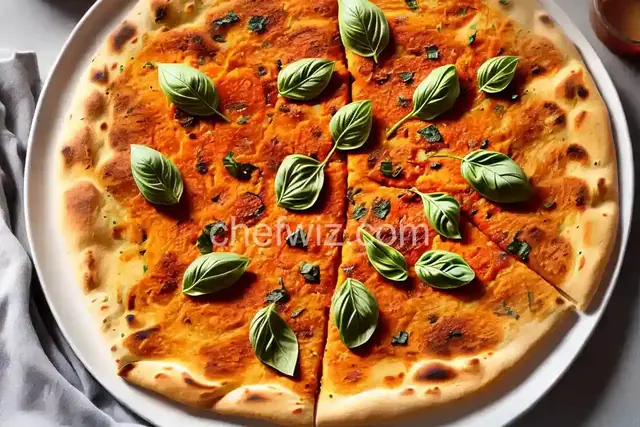
 Have you ever tasted the delectable Italian flatbread known as Farinata?
 By AprilPublished
 Have you ever tasted the delectable Italian flatbread known as Farinata?
Preheat the oven to 400 degrees F (200 degrees C).
Brush a 9-inch tart pan with 2 tablespoons of olive oil and place it in the oven to warm up.
In a medium skillet over medium heat, melt 1 tablespoon of butter.
Add the green onion and garlic to the skillet and cook and stir until softened, about 5 minutes.
Remove the skillet from heat.
In a separate bowl, mix the chickpea flour with lukewarm water until smooth.
Let the mixture sit for 20 minutes at room temperature.
Skim any foam from the top of the chickpea-water mixture.
Add the remaining 2 tablespoons of olive oil to the mixture.
Mix in the cooked onion-garlic mixture.
Season the mixture with salt, pepper, and nutmeg.
Add Gruyere cheese to the mixture and mix well.
Remove the tart pan from the oven and pour in the chickpea mixture.
Bake it in the preheated oven until crispy, approximately 15 minutes.
Remove the tart from the oven and cut it into triangles before serving.
Have you ever tasted the delectable Italian flatbread known as Farinata? If not, you're in for a treat! This savory delight, hailing from Liguria, is a culinary masterpiece that will transport your taste buds to the sun-soaked shores of Italy. But what makes Farinata so special? Let's dive in and explore the wonders of this traditional dish.
Imagine a golden disc of goodness, crisp on the outside and soft on the inside, made from a simple mixture of chickpea flour, water, and olive oil. This humble combination dates back centuries and is believed to have originated in Genoa, Italy. Legend has it that Farinata was born out of necessity during times of famine, when locals had to make do with what little they had.
Chickpea flour, the star ingredient of Farinata, is a gluten-free alternative that lends a unique flavor and texture to the dish. It's made by grinding dried chickpeas into a fine powder, resulting in a protein-packed flour that's not only nutritious but also incredibly versatile. This flour, when combined with water and olive oil, creates a batter that transforms into a delightful flatbread during the cooking process.
Close your eyes and take a bite of Farinata. Can you taste the Mediterranean? The distinct flavors of olive oil and chickpea flour come together to create a sensory experience like no other. The crispy edges and creamy center make each bite a delightful contrast of textures. Whether enjoyed on its own or paired with a variety of toppings, Farinata is a true Mediterranean delight.
Farinata is a blank canvas waiting to be adorned with a myriad of flavors. From simple toppings like rosemary and sea salt to more elaborate combinations of caramelized onions, sun-dried tomatoes, and olives, the possibilities are endless. Each bite is a symphony of flavors, with the base acting as a perfect platform for the toppings to shine.
One of the beauties of Farinata lies in its simplicity. With just a handful of ingredients, you can create a mouthwatering dish that will impress even the most discerning palates. It's a testament to the power of simplicity, proving that sometimes, less is truly more.
In conclusion, Farinata is a culinary gem that deserves a place on every food lover's radar. Its rich history, unique flavors, and endless possibilities make it a dish worth exploring. So why not embark on a gastronomic adventure and try your hand at making Farinata? Your taste buds will thank you.
Yes, Farinata is gluten-free as it is made from chickpea flour.
While olive oil adds flavor and richness to Farinata, you can substitute it with other oils if desired.
Yes, you can freeze Farinata. Simply wrap it tightly and store it in the freezer for up to one month. To reheat, place it in the oven until warmed through.
Traditional toppings for Farinata include rosemary, sea salt, and black pepper. However, you can get creative and experiment with your favorite flavors.
Yes, you can prepare the batter for Farinata in advance and refrigerate it until ready to use. Just give it a good stir before pouring it into the pan.
It's best to use chickpea flour for authentic Farinata. However, if you can't find chickpea flour, you can try grinding canned chickpeas into a paste and using that as a substitute.
While Farinata is traditionally served as an appetizer or snack, you can certainly enjoy it as a main course alongside a fresh salad or other side dishes.
If you have any leftovers, store them in an airtight container in the refrigerator for up to three days. Reheat in the oven or toaster oven for best results.
AprilCook, recipe developer and the heart of Chefwiz. More about April