Pumpernickel Rye Bread
Rate this recipeBe the first to rate
 By AprilPublished
 Imagine sinking your teeth into a slice of freshly baked bread, the aroma wafting through the air, and the satisfying crunch as you take a bite.
 By AprilPublished
 Imagine sinking your teeth into a slice of freshly baked bread, the aroma wafting through the air, and the satisfying crunch as you take a bite.
Place the ingredients into the bread machine pan in the order specified by the manufacturer.
Select the Whole Wheat cycle on the bread machine and start the process.
Once the dough has risen for the first time, remove it from the machine.
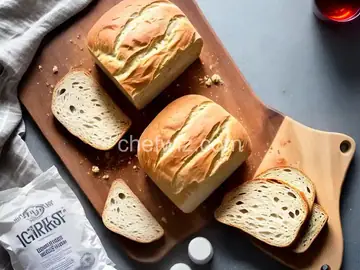
Shape the dough and place it into a 9x5-inch loaf pan that has been lightly oiled.
Cover the pan and let the dough rise for 1 hour.
Preheat the oven to 350 degrees C (175 degrees C).
Bake the bread for 45 minutes.
Remove the bread from the oven and take it out of the pan.
Allow the bread to cool completely on a wire rack before slicing.
If using a stand mixer, combine all the ingredients in the mixing bowl.
Mix the dough on low speed with the dough hook for 10 to 15 minutes, scraping the dough down occasionally.
Transfer the dough to a greased bowl, cover it with plastic wrap and a kitchen towel, and let it rise until doubled in size, which takes about 1 hour.
Once the dough has risen, proceed with baking it in the oven.
Imagine sinking your teeth into a slice of freshly baked bread, the aroma wafting through the air, and the satisfying crunch as you take a bite. There's something undeniably comforting about bread, and when it comes to hearty and flavorful loaves, pumpernickel rye bread takes the cake. In this article, we'll dive into the world of pumpernickel rye bread, exploring its rich history, unique characteristics, and why it's a favorite among bread aficionados.
Pumpernickel rye bread traces its roots back to Germany, where it has been a staple for centuries. The word "pumpernickel" is derived from the German words "pumpern" meaning to break wind and "Nickel" referring to a goblin or devil. While the name might not sound appetizing, pumpernickel bread is anything but flatulence-inducing. In fact, it's a dense and flavorful bread that's perfect for sandwiches, toast, or simply enjoyed on its own.
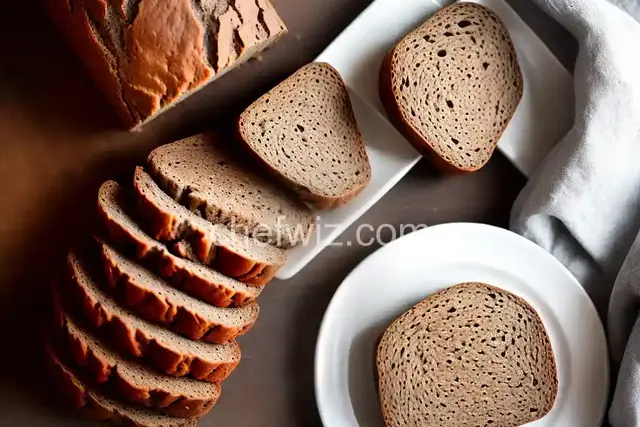
One of the defining features of pumpernickel rye bread is its dark color and robust flavor. This is achieved through a unique baking process that involves steaming the bread for an extended period at a low temperature. This slow and low method of baking allows the bread to develop its distinct taste and texture. The result is a bread with a deep, earthy flavor and a dense, chewy crumb.
Pumpernickel rye bread is made primarily with rye flour, which gives it a slightly sweet and nutty taste. Rye flour is lower in gluten than wheat flour, making the bread denser and heartier. However, pumpernickel rye bread is often made with a blend of rye and wheat flour to achieve the ideal texture and flavor balance.
Not only is pumpernickel rye bread delicious, but it also offers some health benefits. Rye flour is rich in fiber, which aids in digestion and helps you feel fuller for longer. It also contains essential minerals like iron, magnesium, and phosphorus, making it a nutritious choice for those looking to incorporate more whole grains into their diet.
Pumpernickel rye bread is a delightful treat for bread lovers. Its distinctive flavor, dense texture, and health benefits make it a favorite among those who appreciate the art of baking. Whether you enjoy it as a sandwich, toast, or on its own, pumpernickel rye bread is a delicious addition to any meal. So, why not indulge your taste buds and give this flavorful bread a try?
Unfortunately, pumpernickel rye bread is not gluten-free. It contains rye and wheat flour, both of which contain gluten.
Absolutely! There are numerous recipes available online that guide you through the process of making pumpernickel rye bread from scratch. It may take some practice to perfect the technique, but the results are well worth it.
Pumpernickel rye bread pairs well with a variety of toppings. Some popular options include smoked salmon and cream cheese, sauerkraut and Swiss cheese, or even a simple spread of butter or hummus.
To keep your pumpernickel rye bread fresh, it's best to store it in a cool and dry place, such as a bread box or a paper bag. Avoid storing it in the refrigerator, as this can cause the bread to dry out.
Yes, you can freeze pumpernickel rye bread. Slice it before freezing and store it in an airtight container or freezer bag. When you're ready to enjoy it, simply thaw the slices at room temperature or toast them for a warm and crispy treat.
Pumpernickel rye bread is typically vegan-friendly as it does not contain any animal products. However, it's always important to check the ingredients or make your own if you have specific dietary restrictions.
Absolutely! Pumpernickel rye bread adds a unique and flavorful twist to sandwiches. Whether you prefer traditional deli fillings or want to get creative with your ingredients, pumpernickel rye bread is a fantastic choice.
Yes, there are variations of pumpernickel rye bread from different regions. For example, Russian black bread is a type of pumpernickel rye bread that incorporates molasses and coffee for added depth of flavor.
Pumpernickel rye bread can be found in many grocery stores, bakeries, or specialty food shops. Alternatively, you can try making it yourself for a truly homemade experience.
AprilCook, recipe developer and the heart of Chefwiz. More about April