Dansk Aebleskiver (Danish Doughnuts)
Rate this recipeBe the first to rate
 By AprilPublished
 Have you ever tasted a warm, fluffy Danish doughnut that melts in your mouth?
 By AprilPublished
 Have you ever tasted a warm, fluffy Danish doughnut that melts in your mouth?
Begin by preheating an electric aebleskiver pan as per the instructions provided by the manufacturer.
In a mixing bowl, combine eggs, buttermilk, and butter. Whisk the mixture until it becomes smooth.
Gradually add flour, salt, sugar, baking soda, and cardamom to the egg mixture while whisking continuously. Ensure that all the ingredients are well blended and the mixture is smooth.
Take 1 tablespoon of shortening and place it in each cup of the preheated aebleskiver pan. Allow the oil to heat up.
Pour the prepared batter into each cup, filling them up to about 3/4 full.
Let the batter cook in the bottom of the cup for approximately 3 to 4 minutes or until it turns a golden brown color.
Using a long skewer or knitting needle, lift one edge of the aebleskiver and give it a 1/4 turn. This will cause the uncooked batter to spill over into the cup and cook.
Repeat the process of lifting and turning the edges until the batter is fully cooked and forms a golden brown ball.
Once cooked, drain the aebleskiver on paper towels to remove any excess oil.
Have you ever tasted a warm, fluffy Danish doughnut that melts in your mouth? If not, you're in for a treat! Dansk Aebleskiver, also known as Danish Doughnuts, are a delightful and indulgent pastry that will leave you craving for more. In this article, we'll explore the origins of these delectable treats, how they are made, and why they have become a Danish favorite.
Like many traditional recipes, the exact origin of Dansk Aebleskiver is clouded in mystery. However, it is believed that these round, pancake-like pastries originated in ancient Viking times. The Vikings would cook their food in round, hollowed-out pans, which eventually evolved into the Aebleskiver pan we know today.
Over the centuries, Aebleskiver became a beloved treat in Denmark, especially during the Christmas season. Families would gather around the kitchen, eagerly watching as these delightful doughnuts were cooked to perfection. The sweet aroma and warm, soft texture made them a symbol of comfort, happiness, and togetherness.
Making Dansk Aebleskiver is an art that requires patience and skill. The dough is made from a simple batter, typically consisting of flour, milk, eggs, sugar, and a hint of cardamom for flavor. The batter is poured into the Aebleskiver pan, which is then placed over a heat source.
As the dough cooks, it starts to bubble and rise, creating a perfect little sphere. The cook must carefully turn each Aebleskiver using a skewer or fork, ensuring that all sides are evenly cooked. The result is a golden-brown exterior with a fluffy, melt-in-your-mouth center.
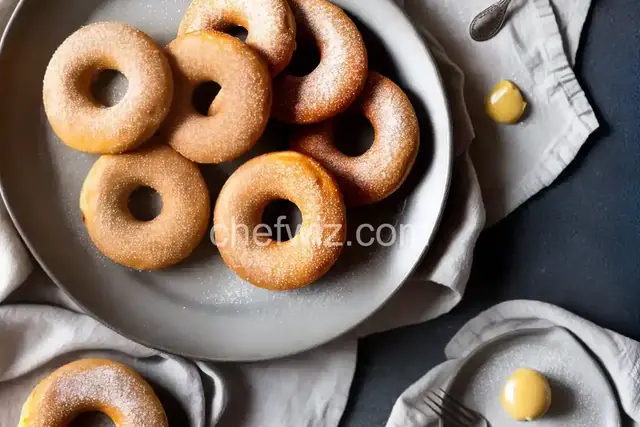
Once cooked, Dansk Aebleskiver are traditionally served with a dusting of powdered sugar and a dollop of jam or fruit compote. The combination of the sweet doughnut, tangy fruit, and sugary coating creates a harmonious blend of flavors that will tantalize your taste buds.
Dansk Aebleskiver have captured the hearts and palates of the Danish people for centuries. They symbolize tradition, nostalgia, and the joy of coming together as a family. These doughnuts are not just a treat; they are a reflection of Danish culture and heritage.
Imagine sitting by a crackling fireplace on a cold winter evening, savoring the warmth and sweetness of a freshly cooked Aebleskiver. The soft dough melts in your mouth, while the powdered sugar and fruity jam awaken your senses. It's a moment of pure bliss that transports you to a world of comfort and happiness.
Dansk Aebleskiver, with their rich history and irresistible taste, have become a beloved Danish treat. Whether you enjoy them during the holidays or as a special indulgence throughout the year, these fluffy doughnuts are sure to bring joy and comfort to your taste buds. So why not try making them yourself and experience the magic of Dansk Aebleskiver?
While the Aebleskiver pan is traditionally used to make these doughnuts, you can try using a regular muffin tin as a substitute. The shape may be slightly different, but the taste will still be delicious.
Yes, you can freeze Dansk Aebleskiver. Once they have cooled, place them in an airtight container or freezer bag and store them in the freezer. When you're ready to enjoy them, simply reheat them in the oven or microwave.
Traditionally, raspberry jam or lingonberry jam is served with Dansk Aebleskiver. However, you can experiment with different flavors like strawberry, blueberry, or even Nutella!
Yes, you can make gluten-free Dansk Aebleskiver by substituting the all-purpose flour with a gluten-free flour blend. Just make sure to follow a gluten-free recipe for the best results.
While Dansk Aebleskiver are traditionally associated with Christmas, they can be enjoyed all year round. They make a delightful breakfast, dessert, or snack any time of the year.
Absolutely! You can experiment with adding flavors like vanilla extract, lemon zest, or even chocolate chips to the batter. Get creative and make it your own!
Yes, there are vegan versions of Dansk Aebleskiver that use plant-based milk and egg substitutes. Look for vegan recipes online and adapt them to suit your dietary preferences.
Yes, you can make mini-sized Dansk Aebleskiver by using a mini Aebleskiver pan. They are perfect for bite-sized treats or serving at parties.
AprilCook, recipe developer and the heart of Chefwiz. More about April