Chef John's Panettone
Rate this recipeBe the first to rate
 By AprilPublished
 Are you looking for a delicious and festive treat to enjoy during the holiday season?
 By AprilPublished
 Are you looking for a delicious and festive treat to enjoy during the holiday season?
To prepare the dough the day before baking:
In a bowl, combine flour, cold water, and sourdough starter. Mix well.
Cover the bowl and leave it at room temperature for 8 hours to overnight.
To soak the fruit the day before baking:
In a separate bowl, combine raisins, cherries, and pineapple.
Stir in rum and toss the fruit occasionally.
Let the fruit soak for 8 hours to overnight.
To prepare the dough:
Pour warm water into a large bowl of a stand mixer fitted with a dough hook attachment.
Add yeast and let it dissolve for 10 minutes.
Add eggs, 1/3 cup plus 2 tablespoons sugar, vanilla extract, orange zest, and lemon zest. Whisk together.
Scoop in the panettone starter.
Add flour and salt.
Knead the dough for about 10 minutes until it is very smooth and elastic. Stop and scrape down the sides if needed.
Add butter and knead for another 5 minutes until the butter is completely mixed in and the dough is soft and somewhat sticky.
Transfer the dough to your work surface.
To let the dough rise:
Toss and fold the dough into a rough ball shape using wet fingers and a bench scraper.
Transfer the dough back to the bowl.
Cover the bowl and let the dough rise until doubled
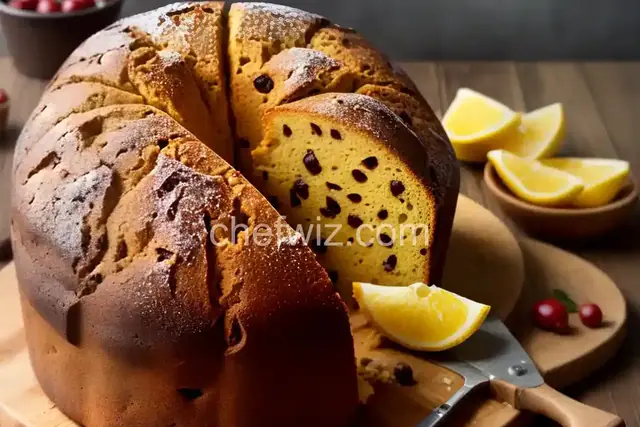
Are you looking for a delicious and festive treat to enjoy during the holiday season? Look no further than Chef John's Panettone! This classic Italian sweet bread is a staple in many households and will surely impress your family and friends. In this article, we will explore the history of this delightful dessert, the key ingredients that make it so special, and some tips and tricks for baking the perfect Panettone at home.
Have you ever wondered where Panettone comes from? This traditional Italian cake-like bread originated in Milan and has been enjoyed for centuries. Legend has it that the first Panettone was created by a young nobleman who fell in love with a baker's daughter. To win her heart, he disguised himself as a baker and invented a special bread filled with candied fruits and raisins, which became the first Panettone.
What makes Panettone so unique? It's all in the ingredients! The dough is enriched with butter, eggs, and sugar, giving it a rich and moist texture. One of the key ingredients is the addition of candied fruits and raisins, which add a burst of sweetness and a delightful chewiness to each bite. The dough is also flavored with vanilla and orange zest, adding a subtle citrusy aroma that complements the other flavors perfectly.
Think of butter and eggs like the foundation of a building. They provide structure and richness to the Panettone, creating a fluffy and tender crumb. Without these ingredients, the bread would be dry and lack the decadence that makes Panettone so irresistible.
Candied fruits and raisins are like the colorful confetti that you find at a party. They add a burst of sweetness and a playful texture to the Panettone. Each bite is a surprise, with different fruits and raisins scattered throughout the bread, creating a delightful eating experience.
Imagine vanilla and orange zest as the secret ingredients that elevate the flavors of the Panettone. The vanilla adds a warm and comforting aroma, while the orange zest brings a fresh and citrusy note. Together, they create a harmonious blend of flavors that will leave you craving for more.
Are you ready to bake your own Panettone at home? Here are some tips and tricks to ensure success:
Just like any other recipe, using high-quality ingredients can make a big difference in the final result. Opt for good-quality butter, fresh eggs, and flavorful candied fruits and raisins to enhance the taste of your Panettone.
Patience is key when it comes to baking Panettone. The dough requires a long rising time to develop its characteristic light and airy texture. Allow the dough to rise overnight or for several hours, giving it enough time to double in size and develop those beautiful air pockets.
After baking, make sure to wrap your Panettone in parchment paper or foil to keep it fresh and moist. You can also tie a colorful ribbon around it for a festive touch. This will help the flavors develop and keep the bread from drying out.
Now that you know the history, key ingredients, and baking tips for Panettone, it's time to roll up your sleeves and start baking! This traditional Italian sweet bread is sure to impress your loved ones and become a favorite holiday treat. So gather your ingredients, preheat the oven, and let the aroma of freshly baked Panettone fill your home with joy and warmth.
Yes, you can freeze Panettone for up to three months. Just make sure to wrap it tightly in plastic wrap and place it in an airtight container before freezing.
Absolutely! While candied fruits are a traditional addition, you can customize your Panettone by adding other dried fruits or even chocolate chips for a different flavor profile.
While it is possible to make Panettone in a bread machine, it is recommended to use a stand mixer or knead the dough by hand to achieve the best texture and rise.
When stored properly in an airtight container, Panettone can stay fresh for up to a week. However, it is best enjoyed within the first few days of baking for optimal taste and texture.
Of course! Feel free to add your favorite nuts, such as almonds or pistachios, to your Panettone for an extra crunch and flavor.
Yes, you can use gluten-free flour to make Panettone. However, keep in mind that the texture and rise may be slightly different compared to using regular wheat flour.
Absolutely! You can divide the dough into smaller portions and bake them in individual paper molds for cute and individual-sized Panettone.
Panettone is delicious on its own, but you can also serve it with a dollop of whipped cream, a dusting of powdered sugar, or a drizzle of chocolate sauce for a decadent treat.
AprilCook, recipe developer and the heart of Chefwiz. More about April