Cornish Pasty
Rate this recipeBe the first to rate
 By AprilPublished
 Are you in the mood for a scrumptious and filling snack that will transport you to the idyllic landscapes of Cornwall?
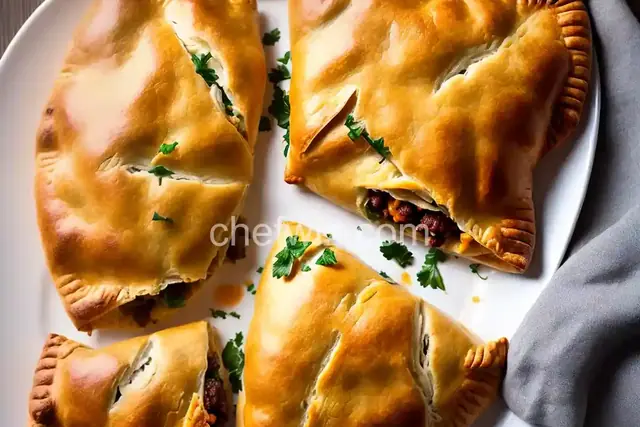 By AprilPublished
 Are you in the mood for a scrumptious and filling snack that will transport you to the idyllic landscapes of Cornwall?
Preheat the oven to 450 degrees F (230 degrees C).
Place carrots in a small saucepan and add enough water to cover them. Bring the water to a boil and cook the carrots until they are tender, which usually takes around 10 minutes. Let the carrots cool down and then slice them.
While the carrots are cooking, sift together flour, baking powder, and salt in a bowl. Add butter to the mixture and rub it in until it resembles coarse crumbs. Then, add water to the mixture. If the dough is sticky, you can add more flour.
Roll out the dough until it is about 1/4-inch thick. Cut out six 5-inch circles from the dough, making sure not to stretch it.
In a separate bowl, combine the meat, cooked carrots, potatoes, and onion. Season the mixture with salt and pepper according to your taste.
Take half of each pasty base and cover it with the filling. Moisten the pastry edges and fold them over the filling. Use a fork to press the edges together and seal them.
Place the raw pasties on a baking sheet. Brush the tops of the pasties with milk and make a small slit in each top to allow steam to escape.
Bake the pasties in the preheated oven for 10 minutes. Then, reduce the oven temperature to 350 degrees F (175 degrees C) and continue baking for
Are you in the mood for a scrumptious and filling snack that will transport you to the idyllic landscapes of Cornwall? Look no further than the Cornish Pasty! This iconic dish has been satisfying hungry tummies for centuries, and it's not hard to see why. In this article, we'll dive into the history, flavors, and cultural significance of the Cornish Pasty. So, grab a cup of tea and let's embark on a culinary journey!
Imagine a time when miners needed a portable and nourishing meal to sustain them during long shifts underground. The Cornish Pasty was born out of this necessity, with its unique shape and wholesome ingredients making it a practical and delicious option. Legend has it that the pasty's distinctive folded crust was designed to serve as a handle, allowing miners to enjoy their meal without dirtying their hands.
One bite into a Cornish Pasty, and you'll be greeted with a burst of flavors that harmoniously blend together. The traditional filling consists of tender chunks of beef, swede (rutabaga), potatoes, and onions, seasoned with salt and pepper. The ingredients are encased in a flaky pastry shell, which adds a delightful texture to every mouthful. It's a complete meal in itself!
The Cornish Pasty is more than just a tasty treat; it holds a special place in Cornish culture. In fact, it has even been granted "protected geographical indication" status by the European Union. This means that only pasties made in Cornwall following the traditional recipe can be called "Cornish Pasties." The dish is a source of pride for the locals and a symbol of the region's rich culinary heritage.
While the traditional Cornish Pasty remains a firm favorite, modern variations have emerged to cater to different tastes and dietary preferences. Vegetarian and vegan options now grace the menus of Cornish bakeries, ensuring that everyone can indulge in this delectable delight. Whether you prefer a classic recipe or a creative twist, there's a Cornish Pasty out there for you.
The Cornish Pasty is more than just a pie; it's a culinary masterpiece that encapsulates the history, flavors, and cultural significance of Cornwall. Whether you're enjoying a traditional recipe or exploring modern variations, each bite will transport you to the picturesque landscapes and mining heritage of this enchanting region. So, indulge in a Cornish Pasty today and experience the taste of Cornwall!
There's no right or wrong way to enjoy a Cornish Pasty! Some people dive right in and devour it, while others savor each bite. You can eat it hot or cold, on its own or with a side salad. The choice is yours!
Absolutely! If you have leftovers or want to stock up on pasties for later, you can freeze them. Just make sure to wrap them tightly in plastic wrap or aluminum foil before placing them in the freezer. When you're ready to eat, simply thaw and reheat in the oven.
Traditional Cornish Pasties are not gluten-free, as they are made with wheat flour. However, some bakeries offer gluten-free options, so be sure to check with them if you have dietary restrictions.
Absolutely! Cornish Pasties are a great make-ahead meal. You can prepare the filling and pastry in advance, assemble the pasties, and refrigerate them until you're ready to bake. This makes them perfect for busy days or entertaining guests.
Traditional Cornish Pasties are not typically spicy. The seasoning is usually simple, relying on salt and pepper to enhance the flavors of the filling. However, you can always customize the spice level by adding your favorite herbs or spices.
While Cornish Pasties originated in Cornwall, their popularity has spread beyond the region. Nowadays, you can find them in various parts of the world, thanks to the global appreciation for this delectable pastry.
Cornish Pasties can be a wholesome and balanced meal option. Packed with protein, carbohydrates, and vegetables, they provide a satisfying and nourishing experience. However, like any food, moderation is key. Enjoy them as part of a well-rounded diet.
Absolutely! Mini Cornish Pasties are a delightful option for parties, picnics, or even as a snack. Simply adjust the size of the pastry circles and filling amounts to create bite-sized versions of this beloved dish.
AprilCook, recipe developer and the heart of Chefwiz. More about April