Coconut Oil Frosting
Rate this recipeBe the first to rate
 By AprilPublished
 Who doesn't love frosting? Whether it's atop a cake, a cupcake, or even a cookie, frosting adds the perfect finishing touch to any baked treat.
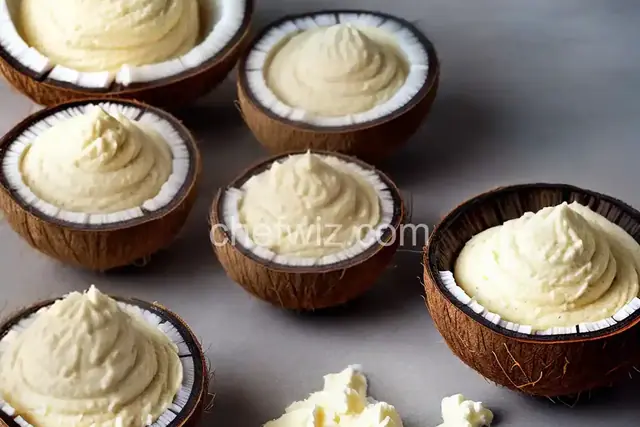 By AprilPublished
 Who doesn't love frosting? Whether it's atop a cake, a cupcake, or even a cookie, frosting adds the perfect finishing touch to any baked treat.
Heat coconut oil in the microwave until it is completely melted, which should take approximately 30 to 45 seconds.
In a bowl, blend together the melted coconut oil, confectioners' sugar, and vanilla extract using a hand mixer until you achieve the desired consistency.
If you prefer a richer flavor with a hint of coconut, you can replace 1/4 cup of the coconut oil with 1/4 cup of butter and another 1/4 cup of coconut oil.
Both refined and unrefined coconut oil can be used interchangeably for this recipe.
Who doesn't love frosting? Whether it's atop a cake, a cupcake, or even a cookie, frosting adds the perfect finishing touch to any baked treat. However, traditional frosting recipes often call for unhealthy ingredients like butter and shortening, which can leave us feeling guilty after indulging. But fear not! There's a delicious and healthier alternative: coconut oil frosting.
Coconut oil has gained popularity in recent years, and for good reason. Its unique composition makes it a versatile ingredient in both cooking and baking. Not only does it lend a subtly sweet and tropical flavor to dishes, but it also offers numerous health benefits. From boosting metabolism to promoting heart health, coconut oil is a superstar in the kitchen.
When it comes to frosting, coconut oil can work wonders. Unlike butter or shortening, coconut oil has a lower melting point, giving it a naturally lighter and fluffier texture. This means that coconut oil frosting spreads effortlessly on your baked goods, creating a smooth and velvety finish.
Coconut oil doesn't just add a pleasant texture to your frosting; it also enhances the flavor. The subtle coconut undertones pair beautifully with a variety of flavors, from classic vanilla to zesty lemon. By using coconut oil in your frosting, you can elevate the taste of your baked treats.
Making coconut oil frosting is a breeze. Simply replace the butter or shortening in your favorite frosting recipe with an equal amount of coconut oil. You can also add a touch of vanilla extract or other flavorings to customize your frosting further. Beat the ingredients together until light and fluffy, and voila! You have a healthier and delicious frosting ready to go.
Coconut oil frosting has a slightly different consistency compared to traditional frostings. It's important to note that coconut oil tends to soften at room temperature, so it's best to store your frosted goodies in the refrigerator. This will help the frosting hold its shape and prevent any melting mishaps.
When it's time to enjoy your baked treats, allow them to sit at room temperature for a few minutes before serving. This will allow the frosting to soften slightly, revealing its creamy goodness.
Coconut oil frosting is a delicious and healthier alternative to traditional frosting recipes. Its light and fluffy texture, combined with its subtly sweet flavor, makes it a perfect choice for any baked treat. Whether you're a fan of classic vanilla or adventurous flavors, coconut oil frosting is sure to elevate your desserts to a whole new level. So go ahead, indulge guilt-free, and savor every creamy bite!
Absolutely! Coconut oil frosting pairs well with almost any type of cake, from chocolate to carrot. Its subtle flavor complements a wide range of flavors, making it a versatile choice.
Yes, it is! Coconut oil is a plant-based ingredient, making it an excellent choice for those following a vegan lifestyle. Just be sure to use other vegan-friendly ingredients, such as plant-based milk and sweeteners, when making your frosting.
Yes, you can! Coconut oil frosting can be easily colored using food coloring gels or powders. Just remember to start with a small amount and gradually add more until you achieve your desired shade.
Coconut oil frosting does have a subtle coconut flavor, but it is not overpowering. If you're not a fan of coconut, you can experiment with adding other flavorings like cocoa powder or fruit extracts to mask the coconut taste.
Absolutely! Coconut oil frosting can be used for piping and decorating just like traditional frostings. However, it's important to note that it may require a slightly firmer consistency. You can achieve this by refrigerating the frosting for a short period before piping or decorating.
While coconut oil can be a great substitute in many frosting recipes, it's important to consider the flavor profile of your dish. Coconut oil works best with flavors that complement its tropical undertones. Experimentation is key!
Coconut oil has a lower melting point compared to butter or shortening, so it can melt more quickly at higher temperatures. To prevent melting, it's best to store your frosted treats in the refrigerator until ready to serve.
Coconut oil frosting can be stored in an airtight container in the refrigerator for up to a week. However, it's best to consume your frosted treats within a few days for optimal freshness.
AprilCook, recipe developer and the heart of Chefwiz. More about April