Classic Lard Two-Crust Pie Pastry
Rate this recipeBe the first to rate
 By AprilPublished
 Have you ever wondered how to achieve that perfect flaky crust for your homemade pies?
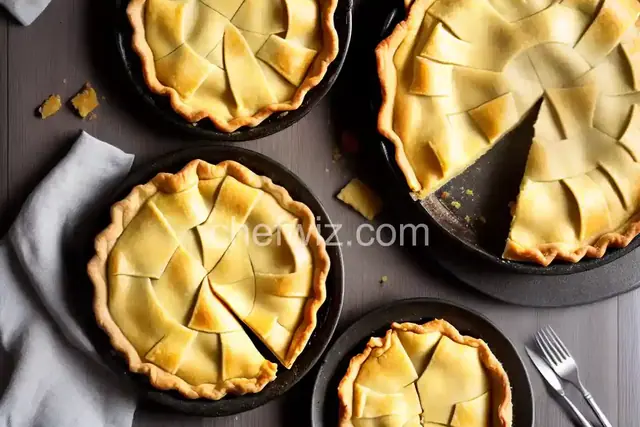 By AprilPublished
 Have you ever wondered how to achieve that perfect flaky crust for your homemade pies?
In a large bowl, combine the flour and salt. Use a whisk to mix them together.
Cut in the lard using a knife or pastry blender until the mixture looks like coarse crumbs.
Gradually add water, one tablespoon at a time, and gently blend it with a fork or pastry blender until all of the flour is moistened and the dough starts to come together.
Divide the dough in half and shape each portion into a flattened round.
Wrap the dough rounds in plastic wrap and refrigerate them for at least one hour.
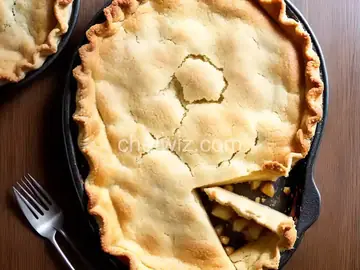
Have you ever wondered how to achieve that perfect flaky crust for your homemade pies? Look no further! In this article, we will explore the classic lard two-crust pie pastry, a tried and true recipe that guarantees a mouthwatering crust every time. Whether you're a seasoned baker or just starting out, this recipe will elevate your pie-making skills to new heights.
What makes the classic lard two-crust pie pastry so exceptional? The answer lies in the secret ingredient: lard. Lard is a type of fat rendered from pork, and it brings a unique richness and tenderness to the pastry. Unlike butter, which can sometimes overpower the flavors, lard provides a neutral base that allows the other ingredients to shine.
Creating the perfect pie pastry is all about finding the right ratio of ingredients. For the classic lard two-crust pie pastry, the ratio is key. By using a combination of lard, flour, salt, and cold water, you can achieve a delicate balance that results in a light and flaky crust.
The first step in making the classic lard two-crust pie pastry is cutting the lard into the flour. This process involves blending the lard and flour together until the mixture resembles coarse crumbs. This step ensures that the lard is evenly distributed throughout the pastry, creating pockets of fat that will melt during baking and create those desirable flaky layers.
Next, it's time to add cold water to the mixture. The cold water helps to bind the ingredients together, creating a cohesive dough. It's important to add the water gradually, as too much can make the dough sticky and difficult to work with. The goal is to achieve a dough that holds together when pressed but is not overly wet.
Once the dough is formed, it needs to be chilled before rolling. Chilling allows the gluten to relax, making the dough easier to handle and preventing shrinkage during baking. After the chilling period, the dough is ready to be rolled out into two crusts. Remember to lightly flour your surface and rolling pin to prevent sticking.
Creating the perfect classic lard two-crust pie pastry requires attention to detail. Here are some tips and tricks to ensure success:
It's crucial to use cold ingredients when making the pastry. This helps to keep the fat solid, which is essential for achieving a flaky texture. Refrigerate your lard, flour, and water before starting the recipe.
When working with the dough, handle it as little as possible. Overworking the dough can result in a tough crust. Gently press the dough together and avoid excessive kneading.
While the classic lard two-crust pie pastry is versatile and pairs well with a variety of fillings, don't be afraid to get creative! Experiment with different fruits, spices, and even savory fillings to create unique and delicious pies.
The classic lard two-crust pie pastry is a timeless recipe that never fails to impress. With its flaky texture and buttery flavor, it's the perfect complement to any pie filling. By following the steps and tips outlined in this article, you'll be well on your way to becoming a pie-making pro. So grab your apron, roll up your sleeves, and get ready to create pies that will leave everyone craving for more!
While lard is the traditional fat used in this recipe, you can substitute it with other fats such as butter or vegetable shortening. However, keep in mind that the texture and flavor of the crust may vary.
It's recommended to chill the dough for at least 30 minutes before rolling. This allows the gluten to relax and prevents the dough from shrinking during baking.
Absolutely! The dough can be wrapped tightly in plastic wrap and stored in the freezer for up to 3 months. Just make sure to thaw it in the refrigerator overnight before using.
Yes, indeed! The classic lard two-crust pie pastry is versatile and works well with both sweet and savory fillings. Try it with your favorite meat or vegetable pie.
To prevent a soggy crust, you can blind bake the bottom crust before adding the filling. Simply line the crust with parchment paper and fill it with pie weights or dried beans. Bake for a few minutes until the crust is set, then remove the weights and continue with the recipe.
Absolutely! The classic lard two-crust pie pastry can be easily adapted for single-crust pies. Simply halve the recipe and follow the same steps.
Leftover pie can be stored in the refrigerator for up to three days. Cover it tightly with plastic wrap or aluminum foil to prevent it from drying out.
Yes, leftover pie can be reheated in the oven. Preheat your oven to 350°F (175°C), place the pie on a baking sheet, and bake for about 15 minutes or until heated through.
Absolutely! The classic lard two-crust pie pastry can be used to make delicious hand pies. Simply roll out the dough, cut it into circles, place
AprilCook, recipe developer and the heart of Chefwiz. More about April