Chelow (Persian Steamed White Rice)
Rate this recipeBe the first to rate
 By AprilPublished
 Have you ever wondered what makes Persian cuisine so unique and tantalizing?
 By AprilPublished
 Have you ever wondered what makes Persian cuisine so unique and tantalizing?
In a large bowl, place the rice and cover it with cold water, making sure it is covered by 1 inch. Swirl the rice around with your hand until the water turns cloudy.
Pour the cloudy water out through a fine-mesh strainer and return the rice to the bowl. Refill the bowl with fresh cold water and repeat the process of swirling and pouring off the cloudy water until the water runs clear. This may need to be done 5 or 6 times. Drain the washed rice well using a colander.
Place the drained rice back into the large bowl and add 3 tablespoons of salt. Pour enough cold tap water into the bowl to cover the rice by 1 inch. Gently stir to dissolve the salt. Let it stand at room temperature for 2 hours. Drain the rice using a small-hole colander.
In a large pot or Dutch oven, bring 2 quarts of water to a rolling boil over high heat. Add 3 tablespoons of salt. Add the drained rice and gently stir to ensure that there are no clumps or rice stuck to the bottom of the pot. Return to a vigorous boil and cook until the rice has grown 1.5 to 2 times in length. The outside of each grain should be cooked but not mushy, and the center of the grain should show some resistance. This typically takes 5 to 8 minutes. Immediately remove from heat and drain through a small
Have you ever wondered what makes Persian cuisine so unique and tantalizing? One of the secrets lies in the art of preparing chelow, the traditional Persian steamed white rice that forms the foundation of many Persian dishes. Join me on a culinary journey as we explore the wonders of chelow and discover why it is a staple in Persian households.
Chelow is not just your ordinary steamed rice. It is a masterpiece that requires precision, patience, and love. The process starts with soaking the rice to remove excess starch, followed by rinsing it thoroughly until the water runs clear. This step ensures that each grain of rice cooks to perfection, resulting in a light and fluffy texture.
Once the rice is soaked and rinsed, it is time to bring it to life. A pot is filled with water and brought to a boil, just like a river flowing with anticipation. The rice is then added, resembling a flock of birds gracefully descending onto the water's surface. As the rice cooks, it releases a comforting aroma that fills the kitchen, beckoning you to taste the magic that is about to unfold.
One cannot speak of chelow without mentioning tahdig, the prized jewel of Persian cuisine. Tahdig is the golden crust that forms at the bottom of the pot, a result of the rice being steamed to perfection. It is a culinary masterpiece that requires finesse and expertise.
Imagine biting into a piece of tahdig, its crispy exterior giving way to a soft and buttery center. It is a symphony of textures and flavors, a harmonious blend of delicate crunch and rich aroma. The process of creating tahdig requires patience and attention to detail, as it can easily go from golden perfection to burnt disappointment.
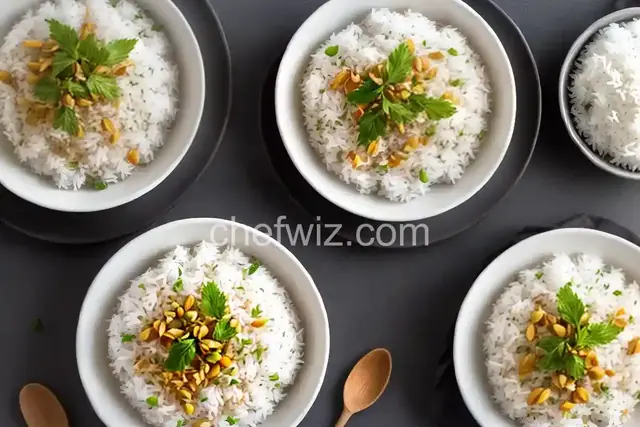
Now that the chelow and tahdig have been prepared with utmost care, it is time to experience the feast for the senses. The rice is gently fluffed, revealing each grain standing proudly, like soldiers ready to be devoured. The tahdig is carefully lifted, revealing its glorious beauty.
As you take your first bite, the flavors dance on your palate. The chelow is light and fragrant, with each grain carrying a subtle hint of sweetness. The tahdig, with its irresistible crunch, adds a contrasting texture that elevates the entire dish. It is a symphony of flavors, a masterpiece that leaves you craving for more.
Chelow, the Persian steamed white rice, is more than just a side dish. It is a culinary masterpiece that showcases the artistry and expertise of Persian cuisine. From the meticulous preparation to the delightful flavors and textures, chelow takes you on a sensory journey like no other. So, next time you sit down to enjoy a Persian feast, savor each bite of chelow and let it transport you to the enchanting world of Persian cuisine.
Traditionally, Persian basmati rice is used to make chelow, as it has the perfect balance of aroma and texture. However, you can experiment with other long-grain rice varieties.
Achieving the perfect tahdig requires practice and patience. It is important to cook the rice over low heat and keep a close eye on it to prevent burning. Adding a layer of butter or oil to the bottom of the pot can also help create a crispy crust.
While chelow is traditionally plain white rice, you can add spices or herbs to infuse additional flavors. Saffron, cumin, or dried herbs like dill can be sprinkled over the rice before steaming.
Chelow is often served with various stews, such as khoresh-e fesenjan (pomegranate walnut stew) or khoresh-e ghormeh sabzi (herb stew). It is also a delightful accompaniment to kebabs and grilled meats.
While chelow is traditionally made in a pot on the stovetop, you can also make it in a rice cooker. Simply follow the same steps of soaking and rinsing the rice, then transfer it to the rice cooker with the appropriate amount of water.
Yes, chelow is naturally gluten-free, as it is made with rice and does not contain any wheat or gluten-containing ingredients.
While chelow is best enjoyed fresh, you can freeze leftover rice for later use. Allow the rice to cool completely, then transfer it to an airtight container or freezer bag before freezing. Thaw and reheat gently before serving.
Chelow is unique because of its delicate texture and the creation of tahdig. The soaking and rinsing process ensures that each grain cooks separately and remains light and fluffy. The formation of tahdig adds a crispy element that sets it apart from other rice dishes.
AprilCook, recipe developer and the heart of Chefwiz. More about April