Plov (Uzbek Rice Pilaf) Recipe
Rate this recipeBe the first to rate
 By AprilPublished
 Have you ever tasted a dish that takes your taste buds on a journey through history?
 By AprilPublished
 Have you ever tasted a dish that takes your taste buds on a journey through history?
Rinse the rice in a fine mesh strainer until the water runs clear.
Transfer the rinsed rice to a bowl and cover it with water while you prepare the other ingredients.
Heat oil on high in a large sauté pan until it is almost smoking, then add the carrots.
Fry the carrots, stirring frequently, until the oil turns orange and the carrots are deeply caramelized on the edges.
Add the onions and salt to the pan, stirring to coat them with oil, and fry until they are browned.
Add the spices to the pan and stir to combine until they become fragrant.
Add the rice to the pan and stir frequently until the rice browns slightly and has a nutty smell.
Pour in one cup of fresh water and bring it to a boil, then reduce the heat to a simmer and cover the pan.
Let the rice cook for 15 minutes, then check for doneness. If the rice is still dry, add water in 1/4 cup increments and continue cooking uncovered.
To prevent burning, fold the rice on the bottom of the pan over itself.
The plov is done when the rice is tender but still slightly firm.
Season the dish to taste and serve immediately.
Have you ever tasted a dish that takes your taste buds on a journey through history? Plov, also known as Uzbek Rice Pilaf, is one such culinary delight that manages to transport you to the heart of Central Asia. This flavorful dish, with its aromatic blend of rice, meat, and spices, has been a staple food in Uzbekistan for centuries. Let's dive into the intriguing world of Plov and discover what makes it so special.
Plov is not just a simple rice dish; it is a representation of Uzbek culture and tradition. Its roots can be traced back to ancient Persia, where it was known as "pilāv." As the Silk Road trade routes flourished, so did the popularity of this dish, spreading its influence across the region. Over time, each country added its own unique touch, resulting in a diverse range of pilaf variations.
Uzbekistan takes great pride in its version of pilaf, known as Plov. It is considered the national dish, with countless variations found throughout the country. The secret lies in the meticulous combination of high-quality ingredients and careful cooking techniques. Each step is carried out with precision, creating a symphony of flavors that will leave you craving for more.
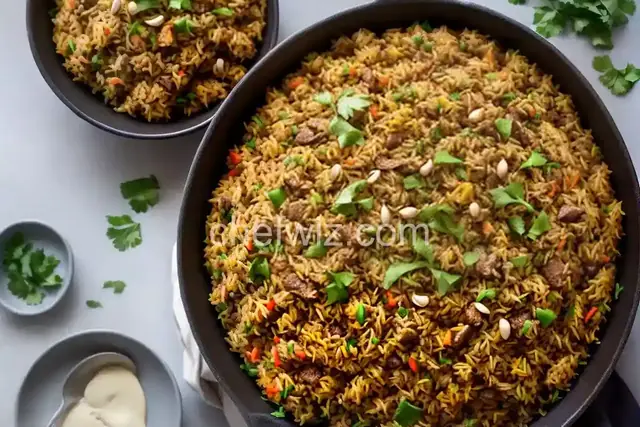
Plov typically consists of long-grain rice, tender chunks of meat (usually lamb or beef), onions, carrots, and a blend of aromatic spices. The beauty of Plov lies in the balance of flavors achieved by the careful selection and preparation of these ingredients. The rice is beautifully infused with the meaty goodness and spices, while the caramelized onions and carrots add a touch of sweetness.
Preparing Plov is more than just following a recipe; it is an art form that requires patience and skill. The traditional method involves cooking the ingredients in a large, heavy-bottomed pot called a "kazan" over an open fire. This slow cooking process allows the flavors to meld together, creating a rich and aromatic dish.
As the ingredients simmer, the rice absorbs the savory juices from the meat and spices, resulting in each grain being infused with flavor. The onions and carrots caramelize, adding a beautiful golden hue to the dish. The final touch is a crispy layer of rice called the "tahdig," which forms at the bottom of the pot. This prized delicacy is cherished by Plov enthusiasts.
In Uzbek culture, Plov holds a special place in social gatherings and celebrations. It is a dish that brings people together, symbolizing unity and hospitality. Large communal pots of Plov are prepared to feed family, friends, and even strangers. The aroma of the cooking Plov fills the air, creating an atmosphere of warmth and joy.
Sharing a plate of Plov is not just about satisfying hunger; it is a shared experience that fosters connections and creates lasting memories. The act of breaking bread together, or in this case, sharing rice, strengthens bonds and creates a sense of belonging.
When you take a bite of Plov, you are not just tasting a delicious dish; you are experiencing the rich history and traditions of Uzbekistan. The flavors tell a story of centuries-old culinary techniques passed down through generations. It is a dish that connects the past and present, reminding us of the importance of preserving cultural heritage.
Plov, the iconic Uzbek Rice Pilaf, is more than just a dish; it is a cultural symbol that unites people and celebrates tradition. From its rich history to its tantalizing flavors, Plov takes us on a flavorful journey through time. So why not embark on this culinary adventure and savor the delightful taste of Plov?
Absolutely! While lamb and beef are the most common choices, you can experiment with chicken, veal, or even vegetarian options like mushrooms.
While long-grain white rice is traditionally used, you can try using basmati or jasmine rice for a fragrant twist.
Plov is not inherently spicy, but it does incorporate a blend of aromatic spices. You can adjust the spice levels according to your preference.
Yes, you can use a heavy-bottomed pot or a Dutch oven as an alternative to a kazan. Just ensure the pot has a tight-fitting lid to trap the flavors.
Absolutely! Plov is a versatile dish, and you can add vegetables like bell peppers, peas, or even raisins to enhance the flavors and textures.
To achieve a crispy tahdig, make sure to layer the rice evenly and cook it on low heat. The key is to resist the temptation to stir the rice during the cooking process.
Plov can be reheated, but it is best enjoyed fresh. Reheating may cause the rice to become slightly dry, but the flavors will still be delicious.
Yes, you can freeze leftover Plov for up to three months. Just make sure to store it in an airtight container to maintain its flavors.
AprilCook, recipe developer and the heart of Chefwiz. More about April