Homestyle Bibimbap
Rate this recipeBe the first to rate
 By AprilPublished
 Have you ever craved a dish that's both comforting and full of flavor?
 By AprilPublished
 Have you ever craved a dish that's both comforting and full of flavor?
In a medium bowl, combine ground beef, soy sauce, sugar, sesame oil, black pepper, and garlic. Allow the mixture to marinate for at least 10 minutes and up to 45 minutes.
In a large mixing bowl, mix together radish, salt, gochugaru, garlic, shrimp paste, maesil syrup, and ginger. Massage the seasonings into the radish until it softens. Add sliced spring onion and sesame powder, then toss lightly to combine. Let it sit for at least 30 minutes.
Cook spinach in a saucepan of salted boiling water until wilted, about 1 minute. Drain and rinse under cold water. In a medium bowl, toss spinach with chopped garlic, salt, soy sauce, sesame oil, and toasted sesame powder. Set aside.
In a saucepan, steam bean sprouts with enough water to cover. Once they are steamed and crisp-tender, drain and rinse under cold water. Season sprouts with soy sauce, salt, toasted sesame powder, chopped garlic, and sesame oil. Set aside.
Heat perilla oil in a pan over medium heat. Add carrots, a pinch of salt, and cook until slightly softened. Add water as needed to prevent browning. Transfer to a plate or bowl and set aside.
In a nonstick skillet, combine perilla oil, squash, garlic, and shrimp paste. Cover and cook until squash is
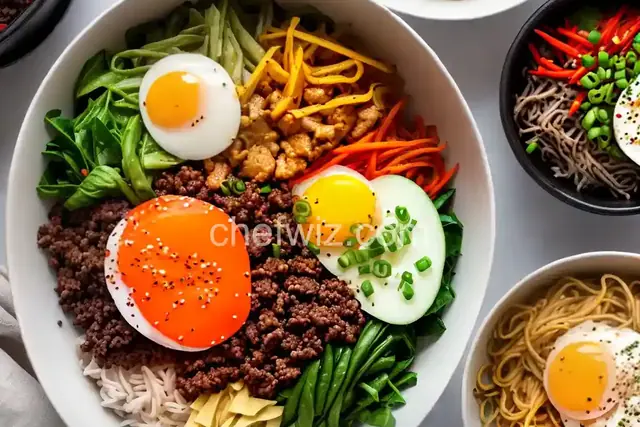
Have you ever craved a dish that's both comforting and full of flavor? Look no further than Homestyle Bibimbap! This traditional Korean rice bowl is a delightful combination of textures and tastes that will leave your taste buds dancing. With its vibrant colors and diverse ingredients, it's a feast for the eyes as well. Get ready to embark on a culinary adventure as we explore the wonders of Homestyle Bibimbap!
Imagine a canvas where various colors and shapes come together to create a masterpiece. That's exactly what Bibimbap is – a work of art on a plate. Just like an artist chooses their palette, you have the freedom to select your favorite ingredients to make your Bibimbap truly unique.
At the heart of every Bibimbap is a bed of fluffy, steaming rice. It serves as the foundation for this culinary creation, providing a neutral canvas for the other ingredients to shine. The rice is cooked to perfection, creating a delightful contrast between the crispy toppings and the soft grains.
One of the key principles behind Bibimbap is balance. The dish combines a variety of flavors and textures to create a harmonious whole. From the crunchy vegetables to the tender meat, each ingredient plays a vital role in the overall experience. It's like a symphony for your taste buds!
Creating your own Homestyle Bibimbap is a delightful adventure that allows you to express your culinary creativity. Here's a step-by-step guide to help you on your journey:
The first step in creating your Bibimbap is selecting your base. While rice is the traditional choice, you can also opt for other grains or even noodles. This choice will set the stage for the rest of your ingredients.
Next, it's time to choose your protein. Whether you prefer beef, chicken, tofu, or seafood, the choice is yours. Each protein brings its own unique flavor and texture to the dish, adding another layer of deliciousness.
Now it's time to add a burst of color and freshness to your Bibimbap with an assortment of vegetables. Carrots, cucumbers, spinach, bean sprouts, and mushrooms are just a few examples of the vibrant produce you can include. Not only do they enhance the visual appeal, but they also provide a range of textures and flavors.
The final touch to your Homestyle Bibimbap is the sauce. Gochujang, a spicy and slightly sweet red chili paste, is the classic choice. However, if you prefer a milder option, you can opt for soy sauce or sesame oil. The sauce adds a burst of flavor and ties all the ingredients together.
Absolutely! Bibimbap is incredibly versatile and can be easily customized to suit various dietary preferences. Simply omit the meat and add more vegetables or tofu for a delicious vegetarian version.
Yes, you can make Bibimbap gluten-free by using gluten-free soy sauce or tamari. Additionally, ensure that the other ingredients, such as the rice and vegetables, are also gluten-free.
While Bibimbap is best enjoyed fresh, you can certainly prepare some of the components in advance. Cook the rice and marinate the meat ahead of time, then simply assemble and cook the dish when you're ready to serve.
Absolutely! If you love a bit of heat, simply increase the amount of gochujang in the sauce or add some crushed red pepper flakes to give your Bibimbap an extra kick.
Yes, you can substitute the rice with other grains like quinoa or barley to add a different texture and flavor to your Bibimbap. Experiment with different grains to find your perfect combination!
Absolutely! Bibimbap is all about customization. Feel free to use any vegetables you enjoy or have on hand. From bell peppers to zucchini, the choice is yours!
Yes, Bibimbap is a great way to use up leftovers. Simply chop up any leftover meat or vegetables and combine them with fresh ingredients to create a delicious and satisfying meal.
Absolutely! Bibimbap is a fantastic dish to serve when entertaining a large group. Simply prepare all the components in advance and let your guests assemble their own bowls. It's a fun and interactive dining experience!
In conclusion, Homestyle Bibimbap is a culinary adventure that allows you to create a dish that's both visually stunning and incredibly delicious. With its vibrant colors and diverse flavors, it's a feast for the senses. So why not embark on your own Bibimbap
AprilCook, recipe developer and the heart of Chefwiz. More about April