Cast-Iron Skillet Prime Rib Roast and Gravy
Rate this recipeBe the first to rate
 By AprilPublished
 There's something magical about a Sunday roast. The savory aroma fills the house, creating a warm and welcoming atmosphere.
 By AprilPublished
 There's something magical about a Sunday roast. The savory aroma fills the house, creating a warm and welcoming atmosphere.
Preheat the oven to 275 degrees F (135 degrees C).
Season the beef roast with sea salt and black pepper.
Heat a large cast-iron skillet over medium-high heat.
Sear the roast on all sides in the hot skillet for 2 to 3 minutes per side.
Turn the roast so that the ribs and fat side are facing up.
Place the roast in the preheated oven and cook for 45 minutes.
Scatter onion quarters around the roast and continue cooking until an instant-read meat thermometer inserted into the thickest part of the meat reads 130 degrees F (54 degrees C) for rare, for approximately 2 more hours.
Remove the roast from the skillet and wrap it in aluminum foil.
Let the meat rest for 15 to 20 minutes to allow the juices to reabsorb.
Leave the onion pieces in the skillet.
Pour the drippings from the skillet into a bowl and skim off any excess grease.
Return the degreased drippings to the skillet with the onion pieces.
Place the skillet over medium heat and melt butter in the drippings.
Whisk flour into the mixture to make a paste for 1 to 2 minutes.
Stir red wine into the flour paste until smooth.
Mix beef stock into the pan gravy until smooth.
Stir thyme sprigs into
There's something magical about a Sunday roast. The savory aroma fills the house, creating a warm and welcoming atmosphere. And when it comes to a prime rib roast, the cast-iron skillet is your secret weapon. This versatile kitchen tool allows for even heat distribution and creates a mouthwatering crust on the outside of the meat while keeping the inside tender and juicy. So, let's dive into the art of cooking the perfect cast-iron skillet prime rib roast and gravy.
When it comes to prime rib, quality is key. Look for a well-marbled cut with a generous amount of fat. This marbling adds flavor and ensures a moist and tender roast. Remember, fat equals flavor! Talk to your local butcher for guidance on the best cut available.
Seasoning is an essential step to enhance the flavors of your prime rib. Start by generously coating the roast with a mixture of salt, pepper, and your favorite herbs and spices. The cast-iron skillet will help to lock in the flavors and create a beautiful crust.
Preheating your cast-iron skillet is crucial for achieving that perfectly seared crust. Place the skillet in a hot oven for about 20 minutes before adding the roast. This initial blast of heat will ensure a beautiful caramelization on the outside of the meat.
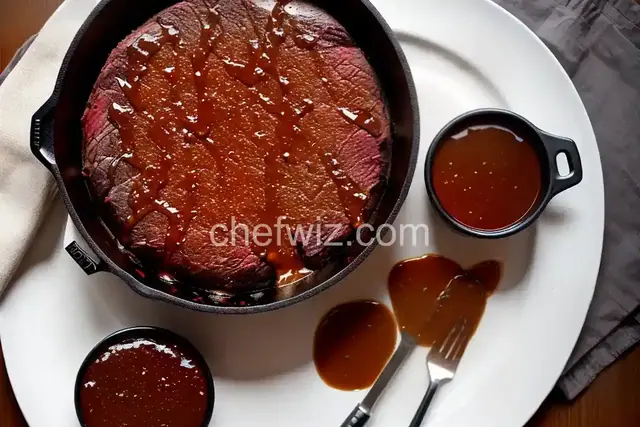
Once your skillet is hot and ready, carefully place the seasoned prime rib roast in the pan. The sizzling sound and the aroma that fills the kitchen are simply irresistible. Allow the roast to sear for a few minutes on each side, creating a rich golden-brown crust.
After the initial searing, it's time to let your cast-iron skillet work its magic. Lower the oven temperature and continue cooking until the internal temperature reaches your desired level of doneness. Remember to use a meat thermometer for accurate results. A medium-rare prime rib will have an internal temperature of around 135°F (57°C).
Once the roast reaches the desired temperature, remove it from the oven and let it rest. This resting period allows the juices to redistribute throughout the meat, resulting in a more tender and flavorful roast. Tent the roast with foil and let it rest for at least 15 minutes before carving.
While the roast is resting, it's time to whip up a delicious gravy to complement the flavors. Use the drippings from the cast-iron skillet, along with some beef stock, flour, and seasonings, to create a rich and savory gravy. The cast-iron skillet adds depth to the flavors and makes the gravy truly exceptional.
Now comes the moment of truth – carving the roast. Carefully slice the prime rib against the grain to ensure tenderness. Each slice should be thick, juicy, and bursting with flavor. Don't forget to serve it with the homemade gravy and your favorite sides for a truly memorable meal.
The cooking time will depend on the size of your roast and the desired level of doneness. As a general rule, allow 15-20 minutes of cooking time per pound for a medium-rare roast.
While a cast-iron skillet is ideal for this recipe, you can use a different type of oven-safe skillet. Just make sure it can withstand high temperatures.
Popular choices include rosemary, thyme, garlic powder, paprika, and onion powder. Feel free to experiment and find your favorite flavor combination.
Absolutely! Thinly sliced leftover prime rib makes a delicious addition to sandwiches. Just make sure to store it properly in the refrigerator.
While searing isn't mandatory, it adds a depth of flavor and creates a beautiful crust. We highly recommend taking the extra step for the best results.
Choosing a well-marbled cut, properly seasoning the roast, and letting it rest after cooking are key factors in ensuring a tender prime rib roast.
Cooking the roast to the appropriate internal temperature and allowing it to rest before carving will help prevent it from drying out. Tenting it with foil during the resting period also helps retain moisture.
Absolutely! The leftover prime rib can be stored in the freezer for future use. Just make sure to wrap it tightly to prevent freezer burn.
In conclusion, cooking a cast-iron skillet prime rib roast and gravy is a surefire way to impress your family and friends. The combination of a well-seasoned roast, a hot cast-iron skillet, and a flavorful gravy creates a meal that is both comforting and indulgent. So, why not give it a try this Sunday? Your taste buds will thank you!
AprilCook, recipe developer and the heart of Chefwiz. More about April