Prime Rib
Rate this recipeBe the first to rate
 By AprilPublished
 Are you a meat lover? Do you crave the juicy tenderness of a perfectly cooked steak?
 By AprilPublished
 Are you a meat lover? Do you crave the juicy tenderness of a perfectly cooked steak?
Preheat the oven to 500 degrees F (260 degrees C).
Using a small knife, create slits all over the roast. Insert slices of garlic into the slits.
Season the roast with salt and pepper, then generously spread mustard all over it.
Place the roast on a rack in a roasting pan and cover it.
Roast the meat for 60 minutes in the preheated oven.
Turn off the oven and do not open it for 90 minutes. This will allow the meat to continue cooking.
Check the internal temperature of the meat. It should be at least 140 degrees F (60 degrees C) for medium-rare or 155 degrees F (68 degrees C) for medium.
Are you a meat lover? Do you crave the juicy tenderness of a perfectly cooked steak? If so, then prime rib is a dish that will surely make your taste buds dance with delight. This succulent cut of beef is known for its rich flavor, marbling, and melt-in-your-mouth texture. Whether you're planning a special dinner party or simply treating yourself to a gourmet meal, prime rib is a classic choice that never disappoints.
Prime rib gets its name from the primal rib section of a cow. It is a highly sought-after cut due to its exceptional taste and tenderness. The marbling of fat throughout the meat adds flavor and keeps it moist during cooking. The bone-in nature of prime rib further enhances its flavor, infusing the meat with a rich, savory essence.
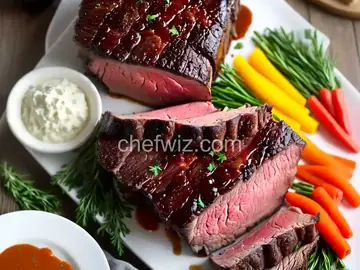
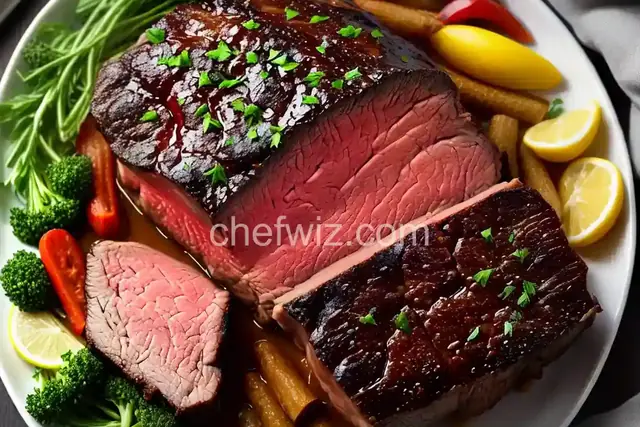
When cooked to perfection, the exterior of the prime rib develops a beautiful crust, while the interior remains tender and juicy. The contrast between the caramelized crust and the moist, pink center is a feast for both the eyes and the palate.
Preparing prime rib is akin to embarking on a culinary adventure. It requires skill, patience, and attention to detail. The key to achieving a mouthwatering prime rib lies in proper seasoning and cooking techniques.
Before cooking, it is crucial to bring the prime rib to room temperature. This allows for even cooking and ensures that the meat retains its juiciness. Seasoning the meat with a combination of salt, pepper, and other herbs and spices of your choice will further enhance the flavor profile.
When it comes to cooking methods, there are two popular options: roasting and grilling. Roasting in the oven is the traditional method, resulting in a succulent and tender prime rib. On the other hand, grilling adds a smoky charred flavor, imparting a unique twist to the dish.
Prime rib is a star on its own, but pairing it with the right sides can elevate the entire dining experience. Creamy mashed potatoes, roasted vegetables, and a tangy horseradish sauce are all excellent accompaniments that complement the rich flavors of prime rib.
For a refreshing touch, a crisp green salad or a vibrant fruit salsa can provide a delightful contrast to the savory meat. And of course, a glass of robust red wine is the perfect finishing touch to a prime rib feast.
Due to its indulgent nature, prime rib is often reserved for special occasions. Whether it's a holiday gathering, a milestone celebration, or a romantic candlelit dinner, serving prime rib is a surefire way to impress your guests and create lasting memories.
The process of cooking prime rib itself becomes an event, as the tantalizing aroma fills the air and anticipation builds with each passing minute. The act of slicing into the perfectly cooked prime rib and savoring each bite is a true celebration of gastronomy.
Prime rib is a culinary masterpiece that delights the senses and satisfies the carnivorous cravings of meat lovers. Its tender texture, rich flavor, and exquisite presentation make it a showstopper on any dining table. Whether you're a seasoned chef or an amateur cook, preparing prime rib is an adventure that is well worth undertaking. So, gather your ingredients, fire up the oven or grill, and get ready to indulge in a prime rib extravaganza!
The best way to season prime rib is by using a combination of salt, pepper, and your favorite herbs and spices. This will enhance the natural flavors of the meat and create a delicious crust.
The cooking time for prime rib depends on various factors, such as the size of the roast and your desired level of doneness. As a general rule, you can estimate around 15 minutes of cooking time per pound of meat.
Absolutely! Grilling prime rib adds a unique smoky flavor to the meat. However, it is essential to monitor the temperature carefully to ensure even cooking.
While traditional sides like mashed potatoes and roasted vegetables are popular choices, you can also experiment with other options. Some alternatives include creamy polenta, roasted garlic mushrooms, or a refreshing citrus salad.
To carve a prime rib, let it rest for about 15 minutes after cooking to allow the juices to redistribute. Then, using a sharp knife, slice against the grain into thick, juicy slices.
Absolutely! The drippings from the prime rib are a treasure trove of flavor. Simply deglaze the roasting pan with some broth or wine, add a thickening agent like flour or cornstarch, and simmer until the gravy reaches the desired consistency.
If you have any leftover prime rib, make sure to store it in an airtight container in the refrigerator. It can be enjoyed cold or reheated gently in the oven to maintain its tenderness.
Yes, you can freeze prime rib for future enjoyment. Wrap it tightly in plastic wrap and then aluminum foil to prevent freezer burn. When ready to use, thaw it in the refrigerator overnight before reheating.
AprilCook, recipe developer and the heart of Chefwiz. More about April