Prime Rib - It's Easier Than You Think
Rate this recipeBe the first to rate
 By AprilPublished
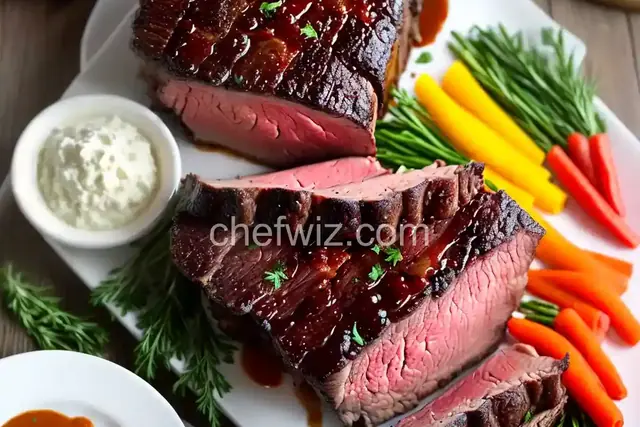
 When it comes to cooking a delicious prime rib, you might think it's a daunting task.
 By AprilPublished
 When it comes to cooking a delicious prime rib, you might think it's a daunting task.
Place the roast, with the bone side down, in a roasting pan.
In a small bowl, combine olive oil, steak seasoning, garlic, Italian seasoning, and mustard powder. Spread this mixture over the roast. Let the roast sit at room temperature for about 45 minutes.
Preheat the oven to 450 degrees F (230 degrees C).
Bake the roast in the preheated oven for 20 minutes.
Insert a meat thermometer into the thickest part of the roast, away from the bone.
Reduce the oven temperature to 325 degrees F (165 degrees C). Continue to cook the roast in the oven until it reaches your desired level of doneness or an internal temperature of 145 degrees F (65 degrees C) for medium. This will take about 1 1/2 to 2 hours.
Remove the roast from the oven and cover it with a double layer of aluminum foil. Let it rest in a warm area for 10 to 15 minutes before slicing.
When it comes to cooking a delicious prime rib, you might think it's a daunting task. But fear not! Cooking a prime rib is easier than you think. With a few simple steps and some patience, you can impress your family and friends with a mouth-watering, juicy prime rib that will be the star of any meal.
The first step in cooking a prime rib is choosing the perfect cut of meat. Look for a prime grade or choice grade rib roast, as these will have the best flavor and tenderness. The size of the roast will depend on how many people you're serving, but a general rule of thumb is to plan for about 1 pound per person.
Before cooking your prime rib, it's important to prepare the roast. Start by allowing the meat to come to room temperature, which will help it cook more evenly. Then, season the roast with salt, pepper, and any other herbs or spices you prefer. Let the roast sit for at least an hour to allow the flavors to penetrate the meat.
There are several cooking techniques you can use to cook your prime rib, depending on your preference. One popular method is the low and slow method, where you cook the roast at a low temperature for a longer period of time. This produces a tender, juicy roast with a nice pink center.
Another technique to consider is the reverse sear method. This involves cooking the roast at a low temperature until it reaches your desired internal temperature, and then finishing it off with a quick sear in a hot oven. This method gives you a perfectly cooked roast with a beautiful crust on the outside.
After cooking your prime rib, it's important to let it rest before carving. This allows the juices to redistribute throughout the meat, resulting in a more flavorful and tender roast. Let the roast rest for at least 15 minutes before carving.
When it comes to carving your prime rib, it's best to start at the bone end and work your way towards the rib-eye end. This will give you the most even slices. Aim for slices that are about 1/2 inch thick, and be sure to remove any excess fat or gristle as you go.
So, the next time you're in the mood for a delicious prime rib, don't be intimidated. With the right cut of meat and a few simple techniques, you can easily cook a prime rib that will rival any steakhouse. Just remember to let the roast rest before carving and enjoy the compliments that will surely come your way!
Both prime and choice grades will result in a delicious prime rib, but the prime grade will generally have more marbling, which adds flavor and tenderness.
It's best to let the roast sit for at least an hour after seasoning to allow the flavors to penetrate the meat.
The internal temperature will depend on how well done you like your meat. For a medium-rare roast, aim for about 135°F.
Absolutely! Feel free to experiment with different rubs and seasonings to add your own personal touch to the roast.
Leftover prime rib can be stored in an airtight container in the refrigerator for up to 3 days. It can also be frozen for longer storage.
Yes, using a meat thermometer is the most accurate way to ensure your roast is cooked to the desired doneness.
Yes, a boneless prime rib can be just as delicious as a bone-in roast. It may cook slightly faster, so be sure to adjust the cooking time accordingly.
Definitely! The drippings from the roast make a flavorful base for a delicious gravy to accompany your prime rib.
AprilCook, recipe developer and the heart of Chefwiz. More about April