Biga
Rate this recipeBe the first to rate
 By AprilPublished
 Have you ever wondered what sets a good loaf of bread apart from a great one?
 By AprilPublished
 Have you ever wondered what sets a good loaf of bread apart from a great one?
Place warm water in a small bowl and sprinkle the yeast on top. Allow the yeast to dissolve and become foamy for approximately 15 minutes.
In a large bowl, measure the flour. Create a well in the center and pour in the yeast mixture and cold water.
Use a sturdy spoon to mix the ingredients together until the mixture becomes sticky and difficult to stir, but still thoroughly combined.
Cover the bowl and let it ferment in the refrigerator for 24 hours before using.
Store the mixture in the refrigerator for up to 2 weeks.
When ready to use, rinse a measuring cup in cool water. Scoop out the desired amount of starter and bring it to room temperature.
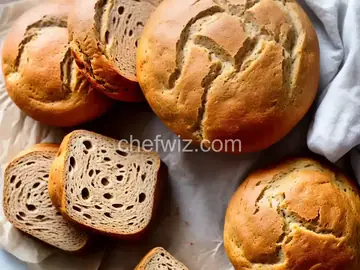
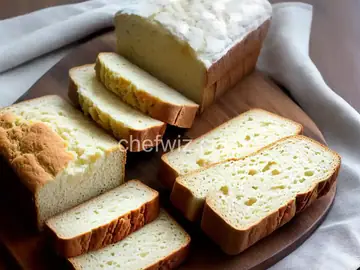
Have you ever wondered what sets a good loaf of bread apart from a great one? It's all in the details, and one of the secrets lies in a simple yet powerful ingredient called "biga". Biga is a pre-ferment used in bread-making that can elevate your homemade bread to a whole new level. In this article, we'll explore what biga is, how it works, and why it's the secret behind perfect bread.
Think of biga as the foundation of your bread. It's a mixture of flour, water, and yeast that is allowed to ferment for a certain period of time before being incorporated into the final dough. The fermentation process enhances the flavor, texture, and overall quality of the bread. When used correctly, biga can add depth and complexity to your loaves, making them irresistibly delicious.
Biga works its magic through a process called fermentation. During fermentation, the yeast in the biga consumes the carbohydrates in the flour and releases carbon dioxide gas. This gas creates air pockets in the dough, making it light and airy. Additionally, the fermentation process allows enzymes in the flour to break down complex starches into simple sugars, which adds flavor and improves the texture of the bread.
Using biga in your bread-making has several benefits. Firstly, it enhances the flavor of the bread by developing complex flavors during the fermentation process. The longer the biga ferments, the more pronounced the flavor will be. Secondly, biga improves the texture of the bread, making it moist and tender on the inside while maintaining a crisp crust on the outside. Lastly, biga helps extend the shelf life of your bread, keeping it fresh for longer.
Making biga is relatively simple. All you need is flour, water, and yeast. Start by combining equal parts of flour and water in a bowl. Add a small amount of yeast and mix until it forms a shaggy dough. Cover the bowl with plastic wrap and let it ferment at room temperature for at least 12 hours or overnight. The next day, your biga will be ready to use in your bread recipe.
When using biga, it's important to consider a few key tips. Firstly, make sure to adjust the amount of yeast in your final dough recipe to account for the yeast in the biga. Secondly, use the biga when it's at its peak fermentation, which is when it's full of bubbles and has a slightly sour smell. Lastly, remember that biga should only make up a portion of your total dough. Typically, a ratio of 20-30% biga to the total flour is recommended.
Now that you know the secret behind perfect bread, it's time to put it into practice. Experiment with different types of flour, hydration levels, and fermentation times to find your ideal biga recipe. Remember, the more you practice, the better you'll become at creating delicious, artisanal loaves of bread. So, roll up your sleeves, grab your mixing bowl, and let biga take your bread to new heights!
Biga is the secret ingredient that can transform your homemade bread into a culinary masterpiece. Its fermentation process enhances flavor, improves texture, and extends the shelf life of your loaves. So, next time you're baking bread, don't forget to incorporate biga into your recipe. Your taste buds will thank you!
Yes, biga can be used in a wide variety of bread recipes. It adds flavor and enhances the texture of any loaf.
Absolutely! You can use whole wheat flour or any other type of flour you prefer to make biga.
Biga can be stored in the refrigerator for up to 3 days. Just make sure to let it come to room temperature before using it in your dough.
Yes, you can freeze biga for up to 3 months. Thaw it in the refrigerator overnight before using.
Yes, you can substitute sourdough starter for biga in some recipes. Just make sure to adjust the hydration and fermentation times accordingly.
Yes, using biga does require some extra time for fermentation. However, the results are well worth the wait.
Yes, you can use instant yeast instead of active dry yeast in your biga recipe. Just follow the instructions on the yeast package for the appropriate conversion.
Yes, you can use biga in gluten-free bread recipes to enhance the flavor and texture. Just make sure to use gluten-free flour and adjust the hydration accordingly.
AprilCook, recipe developer and the heart of Chefwiz. More about April