Ekmek Turkish Bread
Rate this recipeBe the first to rate
 By AprilPublished
 Are you a bread lover? Do you enjoy exploring different types of bread from around the world?
 By AprilPublished
 Are you a bread lover? Do you enjoy exploring different types of bread from around the world?
To prepare the starter, in a bowl with a lid, combine 1/2 cup of flour and 1/4 cup of water. Mix well, cover, and let it sit at room temperature overnight. The following day, add 1/2 cup of flour and 1/4 cup of water to the bowl. Stir, cover, and let it sit at room temperature overnight. On the third day, add 1/2 cup of flour and 1/4 cup of water to the bowl. Mix, cover, and let it sit at room temperature overnight.
To make the dough, dissolve yeast and sugar in warm water in a large bowl. Allow it to stand for about 10 minutes, until creamy. Break the starter into small pieces and add it to the yeast mixture. Stir in 4 cups of flour and salt. Gradually add the remaining flour, 1/2 cup at a time, beating well after each addition. Once the dough has come together, transfer it to a lightly floured surface and knead for approximately 8 minutes, until it becomes smooth and elastic. Dust the dough with a little flour and cover it with a dry cloth. Let it rise until it doubles in size.
Place the dough back on a lightly floured work surface and punch out the air. Divide the dough into two portions and knead each piece for 2 to 3 minutes. Shape each piece into an oval loaf, making it tight. Sprinkle corn
Are you a bread lover? Do you enjoy exploring different types of bread from around the world? If so, you're in for a treat! In this article, we'll dive into the world of Turkish bread, specifically Ekmek Turkish bread. Get ready to tantalize your taste buds and learn about the rich history and unique characteristics of this beloved bread.
Every culture has its own version of bread, and Turkey is no exception. Ekmek Turkish bread has been a staple in Turkish cuisine for centuries. Its origins can be traced back to Ottoman times when it was baked in communal ovens and served to the masses.
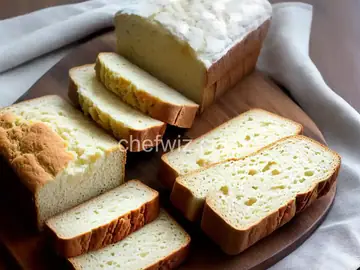
Ekmek Turkish bread is known for its crusty exterior and soft, chewy interior. The dough is typically made with a combination of flour, water, yeast, and salt. It undergoes a long fermentation process, which gives it its distinct flavor and texture. When you take a bite, you'll experience a delightful combination of crispy crust and tender crumb.
Ekmek Turkish bread is incredibly versatile and can be enjoyed in various ways. You can use it to make sandwiches, dip it in olive oil and spices, or simply enjoy it on its own. Its hearty texture makes it perfect for sopping up sauces and gravies, while its crust adds a satisfying crunch.
If you're lucky enough to visit Turkey, you'll find Ekmek Turkish bread in bakeries and markets throughout the country. However, even if you can't travel to Turkey, you can still experience the deliciousness of Ekmek Turkish bread. Many Turkish restaurants and specialty food stores around the world offer this bread, allowing you to bring a taste of Turkey to your own kitchen.
Baking Ekmek Turkish bread is both a science and an art. It requires precise measurements and techniques, as well as a deep understanding of the fermentation process. The dough needs to be properly kneaded and shaped before it goes into the oven. It's this attention to detail that ensures the perfect loaf of Ekmek Turkish bread.
Ekmek Turkish bread is a culinary delight that has stood the test of time. Its crusty exterior, soft interior, and unique flavor make it a favorite among bread enthusiasts. Whether you enjoy it on its own or use it as a base for sandwiches and dips, Ekmek Turkish bread is sure to satisfy your taste buds and transport you to the vibrant streets of Turkey.
Ekmek Turkish bread originates from Turkey and has been a part of Turkish cuisine for centuries.
The long fermentation process gives Ekmek Turkish bread its distinct flavor and texture.
Yes, many Turkish restaurants and specialty food stores around the world offer Ekmek Turkish bread.
Ekmek Turkish bread is best stored in a paper bag or a bread box to maintain its freshness and texture.
Yes, you can freeze Ekmek Turkish bread. Just make sure to wrap it tightly to prevent freezer burn.
Ekmek Turkish bread is often used in dishes like kebabs, mezes, and Turkish pide.
No, Ekmek Turkish bread is not gluten-free. It is made with wheat flour.
Yes, you can make Ekmek Turkish bread at home. There are many recipes available online that guide you through the process.
AprilCook, recipe developer and the heart of Chefwiz. More about April