Beef Pho
Rate this recipeBe the first to rate
 By AprilPublished
 Are you a fan of Vietnamese cuisine? Do you love the rich and aromatic flavors of a steaming bowl of pho?
 By AprilPublished
 Are you a fan of Vietnamese cuisine? Do you love the rich and aromatic flavors of a steaming bowl of pho?
Place beef bones in a large pot and season with 1 teaspoon of salt.
Pour water into the pot and bring to a boil.
Reduce heat and simmer the broth for approximately 2 hours.
Preheat the oven's broiler and line a roasting pan with aluminum foil.
Place onions and unpeeled ginger on the prepared roasting pan and cook under the broiler until charred, stirring occasionally.
Cool slightly, then chop the onions and peel and slice the ginger.
Skim the fat from the surface of the simmering broth.
Add oxtail, radish, and charred onions to the broth.
Tie the charred ginger, anise, cinnamon stick, peppercorns, and cloves in cheesecloth to make a bouquet garni, and add it to the broth.
Stir in sugar, fish sauce, and remaining 2 teaspoons of salt.
Simmer the broth over medium-low heat for at least 4 hours.
Strain the broth, discarding the bones and bouquet garni.
Reserve the meat from the bones for another use.
Chill the broth in the refrigerator for 8 hours to overnight.
Skim and discard fat from the top of the chilled broth.
Pour the broth into a pot and bring to a boil. Reduce heat and keep hot until ready to serve.
Are you a fan of Vietnamese cuisine? Do you love the rich and aromatic flavors of a steaming bowl of pho? If so, you're in for a treat! In this article, we'll explore the world of beef pho and all its deliciousness. Get ready to tantalize your taste buds and learn everything you need to know about this beloved Vietnamese dish.
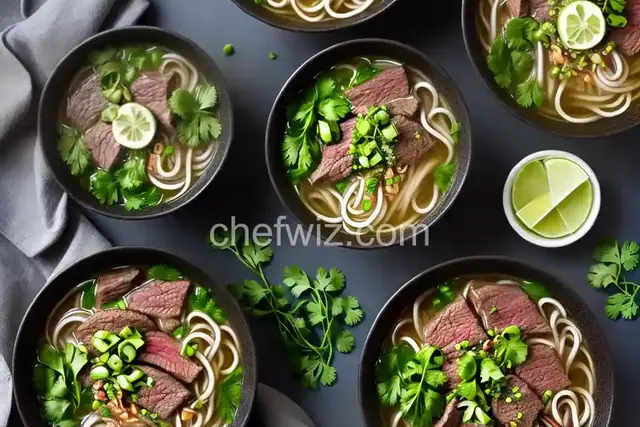
Imagine a piping hot bowl of flavorful broth, infused with fragrant herbs and spices. Thinly sliced beef, cooked to perfection, is added to the mix along with rice noodles, creating a harmonious blend of textures and tastes. The first spoonful transports you to the bustling streets of Vietnam, where pho is a beloved street food delicacy.
Beef pho is more than just a bowl of soup. It's a labor of love that requires time and patience to achieve the perfect balance of flavors. The process involves simmering beef bones, along with aromatic ingredients like star anise, cinnamon, and cloves, for hours on end. This slow-cooking method extracts all the goodness from the bones, resulting in a rich and savory broth that forms the foundation of the dish.
One of the secrets to a delicious bowl of beef pho is the careful layering of flavors. The broth is the star of the show, but it's the combination of fresh herbs, bean sprouts, lime wedges, and chili peppers that elevates the dish to new heights. Each ingredient adds a unique element, creating a symphony of tastes that dance on your palate.
Another essential component of beef pho is the choice of beef. The thin slices of beef are added to the bowl just before serving, allowing the hot broth to gently cook the meat. This ensures that the beef remains tender and juicy, adding a delightful meaty texture to every bite.
One of the best things about beef pho is its versatility. You can customize it to suit your taste preferences and dietary needs. Add a squeeze of hoisin sauce for a touch of sweetness or a splash of fish sauce for a tangy kick. If you're feeling adventurous, top your pho with a handful of fresh herbs like Thai basil or cilantro.
Are you a vegetarian? No worries! You can still enjoy the magic of pho by using vegetable broth and adding tofu or mushrooms instead of beef. The possibilities are endless, allowing you to create a bowl of pho that is uniquely yours.
Pho has gained popularity around the world for its comforting and soul-nourishing qualities. It's a dish that brings people together, whether you're slurping noodles at a street food stall in Hanoi or enjoying a bowl at a trendy Vietnamese restaurant in New York City.
But what makes pho so special? Perhaps it's the way it warms your body and soothes your soul, or the way it takes you on a culinary journey to the vibrant streets of Vietnam. Whatever the reason, there's no denying the allure of a bowl of beef pho.
Beef pho is a culinary masterpiece that brings together the flavors of Vietnam in a single bowl. From the fragrant broth to the tender beef and fresh herbs, every spoonful is a delight for the senses. Whether you're a seasoned pho enthusiast or new to the world of Vietnamese cuisine, beef pho is a dish that will leave you craving for more. So next time you're in the mood for something comforting and delicious, give beef pho a try and let it transport you to the vibrant streets of Vietnam.
Beef pho originated in Northern Vietnam in the early 20th century and has since become a beloved national dish.
Beef pho is typically served with a side plate of fresh herbs, bean sprouts, lime wedges, and chili peppers. Diners can add these ingredients to their liking.
Absolutely! While it may require some time and effort, making beef pho at home is a rewarding culinary experience. There are plenty of recipes and tutorials available to guide you through the process.
The best cuts of beef for pho are usually ones that are tender and thinly sliced, such as eye of round or sirloin steak.
Yes, you can make a delicious vegetarian pho by using vegetable broth and substituting tofu or mushrooms for the beef.
Yes, you can freeze leftover beef pho for future enjoyment. Just make sure to store it in an airtight container and thaw it thoroughly before reheating.
Absolutely! Many restaurants offer gluten-free versions of pho by using gluten-free noodles and ensuring the broth is free from any gluten-containing ingredients.
Of course! Get creative and add toppings like fried shallots, sliced jalapenos, or even a soft-boiled egg to take your beef pho to the next level.
AprilCook, recipe developer and the heart of Chefwiz. More about April