Bean-Hole Beans
Rate this recipeBe the first to rate
 By AprilPublished
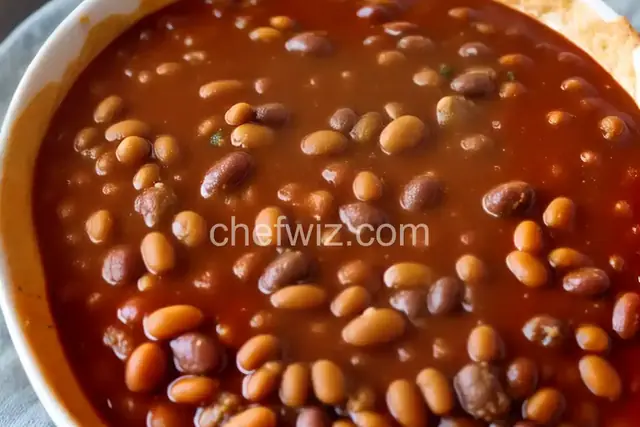
 There's something undeniably captivating about the aroma of slow-cooked beans wafting through the air.
 By AprilPublished
 There's something undeniably captivating about the aroma of slow-cooked beans wafting through the air.
Dig a bean hole that is 2 1/2 to 3 feet deep, leaving a 6 inch space between the pot and the edge of the hole on all sides.
Place old tire chains or stones in the hole to help retain heat.
Start a fire and continuously add dry hardwood for approximately 3 hours until the hole is filled with hot coals.
While the fire is burning, cook the beans in a large pot on the stove with enough water to cover them. Boil for about 45 minutes or until the skins roll back when blown on. Watch closely to avoid overcooking.
Prepare the bean pot by slicing the salt pork into 2 inch wide and 1/4 inch thick pieces, and placing them at the bottom of the pot.
Peel and halve the onions, then layer them on top of the pork.
Pour the cooked beans and their liquid into the pot, and mix in the molasses, black pepper, and dry mustard.
Slice the butter and place it on top of the beans.
Add enough boiling water to cover the beans by one inch.
Cover the top of the pot tightly with aluminum foil, ensuring it extends down over the sides by at least 2 inches. Place the lid on the pot.
Remove about 1/3 of the coals from the hole using a shovel before placing the pot into the hole.
12.
There's something undeniably captivating about the aroma of slow-cooked beans wafting through the air. The mere thought of a steaming bowl of tender beans, infused with rich flavors, is enough to make anyone's mouth water. And when it comes to beans, few dishes can rival the rustic charm and irresistible taste of Bean-Hole Beans.
Bean-Hole Beans, also known as Hole-In-The-Ground Beans, are a traditional Native American dish that dates back centuries. As the name suggests, these beans are cooked underground in a hole, resulting in a unique and unforgettable flavor profile.
Imagine the earth acting as a natural slow cooker, gently enveloping the beans in its warm embrace. This slow and steady cooking process allows the flavors to develop and intensify, creating a dish that is truly one-of-a-kind.
Now, you might be wondering, why go through the trouble of digging a hole and cooking beans underground when there are easier methods available? Well, my friend, the answer lies in the magical alchemy that takes place beneath the surface.
Just like a symphony conductor, the earth orchestrates a symphony of flavors as it slowly cooks the beans. The gentle heat emanating from the soil ensures that the beans cook evenly, allowing the flavors to meld together harmoniously.
Think of it as nature's own slow cooker, infusing the beans with a depth and complexity that simply cannot be replicated by any other cooking method.
Preparing Bean-Hole Beans is an experience in itself. It involves digging a hole, building a fire, and creating a bed of hot coals. The beans, along with various seasonings and ingredients, are then placed in a heavy pot and buried in the hole.
As the beans simmer away, the earth's natural heat works its magic, transforming them into a luscious and flavorful dish. The slow cooking process allows the beans to absorb the flavors of the seasonings, resulting in a taste that is both comforting and satisfying.
Bean-Hole Beans not only tantalize our taste buds but also connect us to a rich culinary heritage. This dish has been passed down through generations, preserving the traditions and flavors of Native American culture.
With each bite, you can almost feel the echoes of history, reminding us of the resourcefulness and ingenuity of those who came before us. It's a true testament to the power of food to transcend time and bring people together.
Bean-Hole Beans are a culinary adventure that connects us to our roots and tantalizes our taste buds. The slow cooking process, combined with the earth's natural heat, creates a dish that is both comforting and delicious.
So, gather your ingredients, channel your inner culinary explorer, and embark on a journey to uncover the wonders of Bean-Hole Beans. Trust me; your taste buds will thank you!
While it's certainly possible to recreate the magic of Bean-Hole Beans in your own backyard, it requires careful planning and preparation. Ensure that you follow all safety guidelines and take necessary precautions to prevent any accidents.
Yes, you can use a variety of beans for Bean-Hole Beans. Popular choices include navy beans, pinto beans, and kidney beans. Experiment with different types to find the flavor profile that suits your taste buds.
The cooking time for Bean-Hole Beans can vary depending on factors such as the size of the hole, the intensity of the fire, and the quantity of beans. On average, it takes around 6-8 hours for the beans to become tender and flavorful.
Absolutely! Adding meat such as bacon or ham to Bean-Hole Beans can elevate the flavors and add a savory dimension to the dish. Just be sure to adjust the cooking time accordingly to ensure that the meat is fully cooked.
Yes, Bean-Hole Beans can be made vegetarian-friendly by omitting the meat and using vegetable broth instead of meat-based broth. The beans themselves provide ample protein and fiber, making it a nutritious and satisfying vegetarian option.
While the traditional method involves cooking Bean-Hole Beans in the ground, you can adapt the recipe for indoor cooking as well. Use a heavy pot or Dutch oven, and simmer the beans on low heat for several hours to achieve a similar result.
Yes, you can freeze any leftover Bean-Hole Beans for future enjoyment. Simply transfer the cooled beans into airtight containers or freezer bags, and they can be stored in the freezer for up to three months.
Absolutely! Don't be afraid to get creative with your seasonings. Add spices like cumin, paprika, or chili powder to enhance the flavors and give your Bean-Hole Beans a unique twist.
AprilCook, recipe developer and the heart of Chefwiz. More about April